
 WhatsApp
Oncological and Reconstructive Surgical Treatment
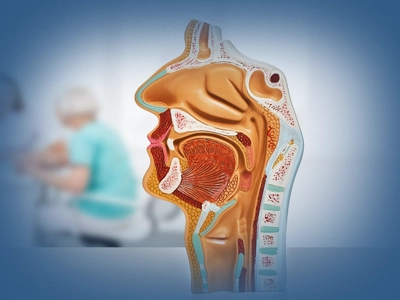
The Head and Neck Surgery Department carries out the surgical treatment of tumours and structural diseases developing in the head and neck region. Covering a wide anatomical area that extends from the thyroid and parathyroid glands to the salivary glands, and from the larynx (voice box) and pharynx (throat) to the tongue and the floor of the mouth, the department performs oncological and reconstructive operations. At Academic Hospital, treatment is planned in multidisciplinary collaboration with the medical oncology, radiation oncology and pathology teams.
Contents
- What Is Head and Neck Surgery?
- Which Diseases and Conditions Are Treated Surgically?
- When Should You Consult a Specialist?
- Preoperative Assessment and Diagnostic Methods
- Operations and Surgical Procedures Performed
- The Postoperative Process
- Head and Neck Surgery at Academic Hospital
- Frequently Asked Questions
- References
What Is Head and Neck Surgery?
Head and neck surgery is a surgical specialty that focuses on the surgical treatment of structures in the head, neck and facial region, covering in particular oncological (cancer) diseases and conditions that require reconstruction. Alongside tumour removal operations, the department also performs neck lymph node dissection, techniques that protect the vocal cords and the airway, and tissue transfer methods. Early diagnosis is the most critical factor determining survival in cancers of this region.
Which Diseases and Conditions Are Treated Surgically?
Many oncological and benign diseases are treated surgically within the scope of head and neck surgery.
- Thyroid cancer (papillary, follicular, medullary, anaplastic)
- Benign thyroid diseases (multinodular goitre, Graves' disease, large adenomas)
- Parathyroid adenoma and hyperparathyroidism
- Tumours of the parotid gland (the salivary gland in front of the ear)
- Tumours and stones of the submandibular gland (the salivary gland under the jaw)
- Cancer of the larynx (voice box)
- Tumours of the pharynx (throat)
- Oral cavity and tongue cancer
- Tumours of the nasopharynx
- Thyroglossal duct cysts and branchial cleft cysts
- Neck lymph node metastases and neck masses
- Skin tumours (squamous cell and basal cell carcinomas of the head and neck region)
When Should You Consult a Specialist?
If one or more of the following symptoms is present, consulting a head and neck surgery specialist without delay is recommended.
- Painless swelling or a mass in the neck lasting longer than 1-3 weeks
- Hoarseness persisting for more than 1 week
- Difficulty swallowing or pain on swallowing
- A non-healing sore or a white or red patch inside the mouth
- Throat complaints accompanied by earache
- Shortness of breath or a feeling of choking
- Swelling or irregular enlargement in the thyroid area of the neck
- A neck mass together with excessive and unexplained weight loss
Emergency: Sudden breathing difficulty, rapid growth or an inability to swallow accompanying a neck mass are conditions that require urgent assessment; go to the emergency department without delay.
Preoperative Assessment and Diagnostic Methods
Surgical planning covers clinical examination together with advanced imaging and tissue sampling methods.
- Neck ultrasonography and Doppler examination
- Assessment of tumour extent with computed tomography (CT) and magnetic resonance imaging (MRI)
- PET-CT: investigation of distant metastasis and staging
- Cytology and histology through fine needle aspiration biopsy (FNAB) or tru-cut biopsy
- Endoscopic assessment with laryngoscopy and nasopharyngoscopy
- Thyroid scintigraphy (in cases where it is required)
- Serum calcitonin, thyroglobulin and PTH (parathyroid hormone) tests
- Preoperative assessment by anaesthesia and cardiology
- Decision of the multidisciplinary board (medical oncology, radiation oncology, pathology)
Operations and Surgical Procedures Performed
The operations performed in head and neck surgery are determined by the type, location and stage of the disease.
| Operation | Scope |
|---|---|
| Removal of the whole thyroid gland (total thyroidectomy) or of one lobe (lobectomy). In parathyroid adenomas, minimally invasive parathyroidectomy is performed to remove the gland tissue causing excessive calcium secretion. Minimally invasive and endoscopic approaches are preferred where possible. | |
| Superficial or total removal of the parotid gland in tumours of the gland in front of the ear. The facial nerve is meticulously preserved during surgery, and nerve monitoring is used as standard. | |
| Covers removal of the gland or stone extraction operations in cases of tumour, stone or chronic infection in the salivary gland under the jaw. | |
| Systematic clearance of the lymph nodes in the neck in head and neck cancers, in order to prevent or treat lymphatic spread. Selective or radical dissection may be performed; today functional structures are preserved as far as possible. | |
| In the early stages of tumours of the voice box, endoscopic laser surgery (transoral laser resection) or partial laryngectomy is performed. In advanced stages total laryngectomy may be required; in this case a tracheoesophageal voice prosthesis is planned for voice rehabilitation. | |
| Removal of the tumour with an adequate safety margin in cancers of the tongue and the floor of the mouth. Depending on the size of the defect, repair with free tissue transfer (flap surgery) may be planned. | |
| Surgery of the mouth, pharynx and larynx performed through the mouth with the aid of a robotic system. Requiring no large incisions, this method offers significant advantages in functional results and in cosmetic terms, and stands out in preserving swallowing and speech functions. |
The Postoperative Process
Recovery after surgery varies according to the extent of the procedure; every patient is managed with an individual follow-up plan.
- The hospital stay after thyroidectomy is generally 1-2 days; after total laryngectomy or neck dissection it may extend to 5-10 days.
- Drain follow-up: In neck surgery the drain is removed within 2-5 days, depending on the amount of drainage.
- Thyroid hormone replacement: Lifelong thyroid hormone (levothyroxine) treatment is started after total thyroidectomy.
- Calcium monitoring: In cases where the parathyroid glands could not be preserved, close monitoring is carried out for temporary hypocalcaemia (low calcium).
- Speech and swallowing rehabilitation: After laryngeal surgery, work is coordinated with a speech and language therapist.
- Pathology result: The decision on adjuvant treatment is taken by the multidisciplinary board according to the lymph node and surgical margin report.
- Oncology follow-up: The need for chemoradiotherapy or radioiodine (I-131) treatment is assessed.
Book an appointment with the Academic Hospital Head and Neck Surgery Department.
Book an AppointmentHead and Neck Surgery at Academic Hospital
The Academic Hospital Head and Neck Surgery Department carries out diagnosis, surgical treatment and postoperative follow-up under one roof; treatment decisions are taken by the multidisciplinary board. The department works routinely with the following units:
- Ear Nose Throat: joint assessment of the larynx, pharynx and neck masses
- Endocrine Surgery: shared approach in thyroid and parathyroid surgery
- Thyroid Diseases and Treatment: nodule follow-up and preoperative hormonal assessment
- Medical Oncology: decisions on chemotherapy and targeted treatment
- Pathology: frozen section during surgery and assessment of surgical margins
- Radiology: determination of tumour extent with ultrasonography, CT and MRI
- Plastic, Reconstructive and Aesthetic Surgery: free tissue transfer and repair of defects
Frequently Asked Questions
Answers to the questions asked most often about the Head and Neck Surgery Department are given below.
References
The general information given on this page about head and neck surgery, diagnostic methods and postoperative follow-up is supported by the reliable health sources listed below.
- National Institutes of Health, "Neck Cancer Resection and Dissection", StatPearls, ncbi.nlm.nih.gov
- Mayo Clinic, "Thyroid Cancer", mayoclinic.org
- National Cancer Institute, "Head and Neck Cancers", cancer.gov
- World Health Organization, "Cancer Fact Sheet", who.int
The information on this page is for informational purposes only; it does not replace medical examination, diagnosis or treatment. Please consult a healthcare institution regarding your complaints.