
 WhatsApp
Surgical Treatment of the Thyroid, Parathyroid and Adrenal Glands
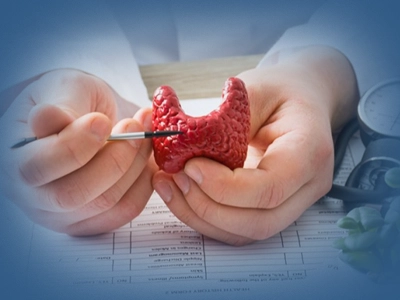
Endocrine Surgery is the specialty that diagnoses and treats the surgical disorders of the hormone-producing glands (thyroid, parathyroid, adrenal glands and the endocrine tissue of the pancreas). The department works in multidisciplinary coordination with endocrinology, medical oncology and general surgery; surgical decisions are taken through the tumour board. At Academic Hospital, minimally invasive laparoscopic techniques are prioritised so that the hospital stay is kept as short as possible.
Contents
- What Is Endocrine Surgery?
- Which Diseases and Conditions Are Treated Surgically?
- When Should You Consult Us?
- Preoperative Assessment and Diagnostic Methods
- Operations and Surgical Procedures Performed
- The Postoperative Process
- Endocrine Surgery at Academic Hospital
- Frequently Asked Questions
- References
What Is Endocrine Surgery?
Endocrine surgery is the field in which tumours, hyperplasia and functional disorders arising in the body's hormone-producing glands are treated surgically. The thyroid and parathyroid glands, the adrenal glands and the endocrine tissue of the pancreas make up the primary working area of this department. Not only tumoural lesions but also hyperthyroidism, hyperparathyroidism and glands showing hormonal overactivity fall within the scope of surgical assessment.
Which Diseases and Conditions Are Treated Surgically?
Endocrine surgery covers the surgical treatment of tumours and functional disorders affecting the thyroid, the parathyroid glands, the adrenal glands and the endocrine tissue of the pancreas.
- Thyroid cancer: papillary, follicular, medullary and anaplastic thyroid carcinoma
- Large or compressive benign thyroid nodules; goitre causing cosmetic deformity
- Surgical hyperthyroidism: Graves' disease unresponsive to medication and radioiodine, toxic nodular goitre
- Parathyroid adenoma: primary hyperparathyroidism (high calcium, kidney stones, osteoporosis)
- Parathyroid hyperplasia: secondary and tertiary hyperparathyroidism
- Adrenal incidentaloma: masses with suspected hormonal activity or malignancy
- Pheochromocytoma and paraganglioma
- Primary hyperaldosteronism (Conn's syndrome)
- Cushing's syndrome: cortisol excess of adrenal origin
- Adrenocortical carcinoma
- Pancreatic neuroendocrine tumours (NET): insulinoma, gastrinoma, glucagonoma, VIPoma
- Surgical pathologies associated with multiple endocrine neoplasia syndromes (MEN 1, MEN 2)
When Should You Consult Us?
If you have any of the findings below, consulting an endocrine surgery specialist is advised; if the symptoms worsen suddenly, urgent assessment may be required.
- When a thyroid nodule biopsy shows Bethesda III to VI (suspicious or malignant cytology)
- When there is a growing mass in the neck, or thyroid enlargement together with hoarseness or difficulty swallowing
- When blood calcium and PTH levels are high and accompanied by kidney stones or bone loss
- When imaging has shown an adrenal mass with suspected hormonal activity or malignancy
- Uncontrolled hypertension together with attacks of headache, sweating and palpitations (suspected pheochromocytoma)
- Unexplained recurrent episodes of hypoglycaemia (insulinoma)
- Treatment-resistant ulcer with a high gastrin level (Zollinger-Ellison syndrome)
- Surgical risk assessment for family members diagnosed with a MEN syndrome
Preoperative Assessment and Diagnostic Methods
In endocrine surgery the preoperative assessment determines both the surgical plan and the safety of anaesthesia.
| Method | What is assessed |
|---|---|
| Number and size of nodules, TIRADS classification and the cytology report | |
| Functional status of the nodule (cold or hot nodule), diagnosis of a toxic gland | |
| Tumour size, invasion of surrounding tissue, mapping of the lymph nodes | |
| Documentation of preoperative vocal cord movement; recurrent laryngeal nerve function | |
| TSH, fT4, fT3, thyroglobulin, calcitonin; PTH (intact), serum calcium; cortisol, aldosterone to renin ratio; metanephrine and normetanephrine (in pheochromocytoma) | |
| CT or MRI; PET-CT and 68 Ga-DOTATATE PET (for NET) | |
| An alpha blocker (phenoxybenzamine or doxazosin) is started 10 to 14 days before surgery; this removes the risk of a hypertensive crisis | |
| RET mutation, and SDHB/SDHD analysis where a MEN syndrome is suspected |
Operations and Surgical Procedures Performed
The principal operations performed in endocrine surgery reflect the range of cases handled by the department.
| Operation | What is done |
|---|---|
| Removal of the entire thyroid gland; the standard method in thyroid cancer and large nodular goitre. The recurrent laryngeal nerve is protected with intraoperative nerve monitoring (IONM). | |
| A conservative approach used in low-risk papillary microcarcinoma with a single nodule, or in pathology localised to a single lobe | |
| Focused excision guided by intraoperative PTH (IOPTH) in primary hyperparathyroidism with a single adenoma. A fall in PTH of fifty percent or more within 10 minutes indicates success. | |
| Assessment of all four glands in multiple gland disease or in cases where localisation is not possible | |
| The gold standard for benign adrenal tumours and pheochromocytoma; transperitoneal or retroperitoneal approach | |
| A minimally invasive technique performed with a smaller incision in the prone position; the abdominal cavity is not entered | |
|
|
| Planning of radioactive iodine (RAI-131) ablation after thyroid cancer surgery |
The Postoperative Process
In endocrine surgery the postoperative period covers the restoration of hormonal balance and the monitoring of complications.
| Topic | What is done |
|---|---|
| Serum calcium and PTH are measured within the first 24 hours after total thyroidectomy, with close follow-up for hypoparathyroidism | |
| Oral calcium and active vitamin D supplementation in temporary hypocalcaemia; started early against the possibility of "hungry bone syndrome" after long-standing hyperparathyroidism | |
| Thyroid hormone replacement therapy after total thyroidectomy; TSH suppression is the target in thyroid cancer | |
| Vocal cord assessment on the first postoperative day and at follow-up visits; temporary hoarseness usually resolves within a few weeks | |
| Usually 1 to 2 days for laparoscopic adrenalectomy and minimally invasive parathyroidectomy; 1 to 2 days for total thyroidectomy; 5 to 7 days for open pancreatic surgery | |
| Thyroglobulin monitoring, neck ultrasound and, where necessary, RAI scintigraphy in thyroid cancer; chromogranin A and imaging follow-up in NETs | |
| Wound check in the second week after surgery; hormone and biochemistry tests in weeks 4 to 6; comprehensive assessment in the third month |
You can book an appointment with Academic Hospital Endocrine Surgery for a thyroid, parathyroid or adrenal surgical assessment.
Book an AppointmentEndocrine Surgery at Academic Hospital
The Academic Hospital Endocrine Surgery Department carries out the surgical treatment of the thyroid, the parathyroid and adrenal glands and the endocrine tissue of the pancreas, giving priority to minimally invasive techniques; surgical decisions are taken at the multidisciplinary tumour board. The department works routinely with the following departments:
- Endocrinology and Metabolism: preoperative hormone assessment and postoperative replacement follow-up
- Thyroid Diseases and Treatment: nodule follow-up, the biopsy decision and definition of the surgical indication
- General Surgery: shared operating theatre processes and collaboration in intra-abdominal endocrine surgery
- Medical Oncology: tumour board decisions and planning of postoperative oncological treatment
- Pathology: assessment of the surgical material and intraoperative consultation
- Radiology: lesion mapping with ultrasound, CT and MRI
- Head and Neck Surgery: joint surgical planning in advanced cases in the neck region
Frequently Asked Questions
The answers to the questions most frequently asked about endocrine surgery are given below.
References
The general information given on this page about the indications for endocrine surgery, preoperative preparation and postoperative follow-up is supported by the reliable health sources listed below.
- Mayo Clinic, "Thyroid Cancer: Diagnosis and Treatment", mayoclinic.org
- Bilezikian JP et al., "Guidelines for the Management of Asymptomatic Primary Hyperparathyroidism: Summary Statement from the Fourth International Workshop", Journal of Clinical Endocrinology & Metabolism, pubmed.ncbi.nlm.nih.gov
- Lenders JWM et al., "Pheochromocytoma and Paraganglioma: An Endocrine Society Clinical Practice Guideline", Journal of Clinical Endocrinology & Metabolism, pubmed.ncbi.nlm.nih.gov
The information on this page is for informational purposes only; it does not replace medical examination, diagnosis or treatment. Please consult a healthcare institution regarding your complaints.