
 WhatsApp
Surgical Treatment of Abdominal and Digestive System Diseases
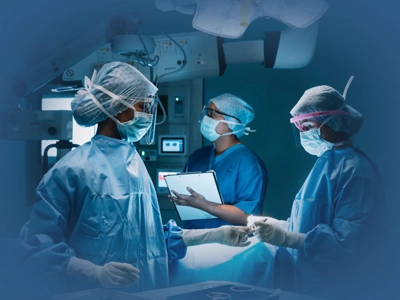
The General Surgery Department carries out the surgical diagnosis and treatment of diseases of the intra-abdominal organs, the digestive system, the thyroid and parathyroid glands and the soft tissues. Laparoscopic and robotic methods are prioritised, and both emergency and elective cases are evaluated by an expert team with advanced imaging infrastructure. In cases requiring tumour surgery, multidisciplinary coordination is provided with the medical oncology, gastroenterology and endocrine surgery departments.
Contents
- What Is the General Surgery Department?
- Which Diseases and Conditions Are Treated Surgically?
- When Should You Consult Us?
- Preoperative Evaluation and Diagnostic Methods
- Operations and Surgical Procedures Performed
- The Postoperative Process
- General Surgery at Academic Hospital
- Frequently Asked Questions
- References
What Is the General Surgery Department?
The General Surgery Department is the specialty covering the surgical diagnosis and treatment of the organs of the abdomen, the soft tissues and the thyroid and parathyroid glands. Both acute conditions requiring emergency intervention and planned (elective) operations fall within the responsibility of this department. In addition to open surgery, modern general surgery emphasises the minimally invasive approach through laparoscopic and robotic methods, providing less pain, a shorter hospital stay and faster recovery.
Which Diseases and Conditions Are Treated Surgically?
The following diseases and conditions are treated surgically in the General Surgery Department:
- Appendicitis (acute inflammation of the appendix) and appendiceal tumours
- Gallstones (cholelithiasis) and inflammation of the gallbladder (acute cholecystitis)
- Biliary tract diseases (choledocholithiasis, biliary stricture)
- Inguinal hernia, umbilical hernia and incisional hernia
- Thyroid gland diseases (thyroid nodule, thyroid cancer, goitre)
- Parathyroid gland diseases (primary hyperparathyroidism)
- Diseases of the colon and rectum (colorectal cancer, diverticulitis, rectal prolapse)
- Gastric diseases (ulcer perforation, gastric cancer)
- Liver and spleen pathologies requiring surgery
- Acute abdomen (bowel obstruction, mesenteric ischaemia, perforation)
- Anal region diseases (haemorrhoids, anal fissure, anorectal fistula)
- Soft tissue masses and abscesses (lipoma, cyst, subcutaneous abscess)
When Should You Consult Us?
The following symptoms call for a consultation with the General Surgery Department:
- Sudden pain beginning in the lower right abdomen, accompanied by nausea and fever (suspected appendicitis)
- Cramping pain in the upper right abdomen after a fatty meal (gallstones)
- Swelling and a painful mass in the groin, at the navel or at a previous surgical site
- A growing neck mass that makes swallowing difficult (thyroid nodule or goitre)
- Blood in the stool, a marked change in bowel habits, unexplained weight loss
- Sudden severe pain involving the whole abdomen: this must be assessed as an acute abdomen and requires emergency admission
- A hernia mass that no longer reduces, or pain that intensifies: this may be an incarcerated hernia and emergency admission is essential
Preoperative Evaluation and Diagnostic Methods
Preoperative evaluation is the foundation of surgical safety and of choosing the appropriate method. In the General Surgery Department, the preoperative process covers the following steps:
| Method | What it is used for |
|---|---|
| First-line imaging for gallstones, liver cysts and intra-abdominal masses; it is used as the first investigation in both emergency and elective cases. | |
| Provides detailed anatomical information in appendicitis, bowel obstruction and tumour staging. | |
| Used for the direct visualisation of colorectal diseases, taking biopsies and detecting polyps; it also helps locate the tumour before surgery. | |
| Used to distinguish benign from malignant thyroid nodules; it is the main determinant of the surgical decision. | |
| Complete blood count, CRP, liver and kidney function tests, the coagulation panel and, where required, tumour markers are evaluated. | |
| Cardiac and pulmonary reserve are measured; the risk class (ASA score) is determined and the safest anaesthesia method is planned. | |
| Protocols for preoperative fasting, discontinuation of blood thinners and, where needed, bowel preparation are applied. |
Operations and Surgical Procedures Performed
In the General Surgery Department, a minimally invasive (laparoscopic or robotic) method is preferred in every case where it is possible. The main surgical procedures performed are as follows:
| Procedure | Description |
|---|---|
| Closed removal of the inflamed appendix; performed with a camera and instruments through three small incisions, providing less pain and faster recovery. | |
| Closed removal of the gallbladder; the international gold standard in the treatment of gallstones. | |
| Repair of an inguinal hernia with mesh from inside the abdomen. The TAPP and TEP techniques are selected according to the anatomy of the patient; the open Lichtenstein technique is used in suitable cases. | |
| Partial or total surgical removal of the stomach in gastric cancer or severe ulcer perforation. The robotic method provides precise dissection and a better field of vision. | |
| Resection of the colon and rectum by laparoscopic or open method; a protective ileostomy or colostomy is created where required. | |
| In patients requiring long-term chemotherapy, parenteral nutrition or antibiotic therapy, a permanent venous access device (port) is placed into a large vein; repeated needle procedures are then not needed. | |
| Surgical removal of all or part of the thyroid gland; the vocal cord nerve is protected with nerve monitoring. | |
| Closed removal of the spleen; performed in idiopathic thrombocytopenic purpura, splenic cysts and haematological disorders. | |
| Surgical removal of the overactive parathyroid gland; it prevents the complications of hypercalcaemia in primary hyperparathyroidism. | |
| Excision or drainage of superficial pathologies such as cysts, lipomas and abscesses. |
The Postoperative Process
The postoperative process varies according to the procedure performed and the general condition of the patient; recovery is markedly faster with laparoscopic methods.
| Topic | What to expect |
|---|---|
| After laparoscopic appendectomy and cholecystectomy, patients begin to walk on the same day or the following morning; this supports the return of bowel function and lowers the risk of thrombosis. | |
| One day is generally sufficient after laparoscopic cholecystectomy and 1-2 days after laparoscopic appendectomy. After colorectal surgery and gastrectomy, the hospital stay may extend to 3-7 days. | |
| In laparoscopic cases, fluid intake begins on the day of surgery and soft food the following day. After gastrectomy, a stepwise nutrition protocol is applied together with a dietitian. | |
| Oral analgesics and paracetamol are usually sufficient; the need for painkillers after laparoscopic methods is markedly lower than after open surgery. | |
| The incision sites are kept dry; laparoscopic port sites are usually assessed on day 7 to 10 and sutures are removed where needed. | |
| After laparoscopic hernia repair, desk work can be resumed in 1-2 weeks and heavy physical activity in 4-6 weeks. After colorectal surgery these periods may extend to 6-8 weeks. | |
| After tumour surgery, adjuvant chemotherapy or radiotherapy is planned by decision of the medical oncology board and follow-up continues with periodic imaging. |
You can request an evaluation appointment with the General Surgery Department.
Book an AppointmentGeneral Surgery at Academic Hospital
The Academic Hospital General Surgery Department manages emergency and planned surgical cases under one roof; laparoscopic and robotic methods are preferred in every suitable case. The decision to operate is taken after joint evaluation with the departments below:
- Medical Oncology: adjuvant treatment decisions and oncological follow-up after tumour surgery
- Gastroenterology: clinical assessment of digestive system diseases before surgery
- Endocrine Surgery: surgical planning in thyroid and parathyroid diseases
- Endoscopy: diagnosis, biopsy and tumour localisation with colonoscopy and gastroscopy
- Radiology: preoperative imaging with ultrasonography and computed tomography
- Anaesthesia and Reanimation: preoperative risk classification and anaesthesia planning
- Pathology: examination of surgical specimens and intraoperative consultation
Frequently Asked Questions
The answers to the questions most frequently asked in the General Surgery Department are given below.
References
The general information given on this page about general surgical diseases, operative methods and recovery processes is supported by the reliable health sources listed below.
- NHS, "Gallbladder Removal (Cholecystectomy)", nhs.uk
- Towfigh S et al., "Inguinal Hernia", StatPearls, National Library of Medicine, ncbi.nlm.nih.gov
- Mayo Clinic, "Appendicitis: Diagnosis and Treatment", mayoclinic.org
The information on this page is for informational purposes only; it does not replace medical examination, diagnosis or treatment. Please consult a healthcare institution regarding your complaints.