
 WhatsApp
Comprehensive Care from the Newborn Period to Adolescence
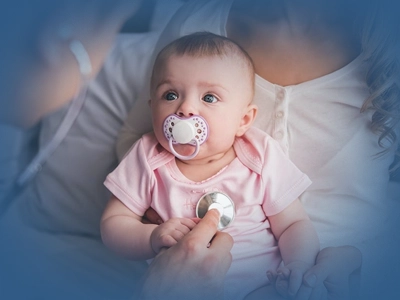
The Pediatrics Department is the core child health unit that provides both the preventive services supporting healthy development from birth to the age of 18 and the diagnosis and treatment of disease. It covers a broad range of care, from immunisation, growth and development monitoring and nutritional counselling to febrile illnesses, asthma and allergy. The Academic Hospital paediatric team aims to keep the burden of disease to a minimum by supporting the child's healthy growth from the very beginning.
Contents
What Is the Pediatrics Department?
Pediatrics is the core specialty that carries out the routine follow-up of healthy children and the treatment of sick children under one roof. The paediatrician monitors the child's physical, mental and emotional development from birth until the end of adolescence, detects illness early and acts as a trusted adviser to the family. Preventive care (vaccination, screening, nutrition) and curative care (medication, admission, referral) are delivered together in this department.
Which Diseases and Conditions Are Treated?
The Pediatrics Department covers all the fundamental health problems of childhood.
- Newborn follow-up: The first examination after birth, newborn screening tests (heel prick), jaundice monitoring and feeding support
- Immunisation: Planning and administration of all compulsory vaccines within the expanded immunisation programme of the Turkish Ministry of Health, together with optional vaccines
- Growth and development monitoring: Tracking of height, weight and head circumference with percentile curves, assessment of developmental milestones and early detection of deviation
- Childhood infections: Fever, middle ear infection (otitis media), throat infections (tonsillopharyngitis, pharyngitis), urinary tract infections and viral upper respiratory tract infections
- Asthma and wheezing: Diagnosis, management of attacks and long-term control treatment
- Allergic diseases: Diagnosis and management of allergic rhinitis, food allergy and atopic dermatitis (eczema)
- Nutritional problems: Inadequate weight gain, iron deficiency anaemia, vitamin D insufficiency and assessment of obesity
- Frequently recurring illnesses: Recurrent otitis media, recurrent throat infections and recurrent urinary tract infections; investigation of the underlying cause
- Digestive system problems: Colic, gastro-oesophageal reflux, constipation and diarrhoea (acute and chronic)
- Skin conditions: Initial assessment of dermatological problems such as childhood eczema, heat rash, nappy rash, cold sores and chickenpox
When Should You Consult Us?
The situations below are signs that call for assessment by a paediatrician.
- A temperature of 38°C or above in an infant younger than 3 months
- High fever lasting more than 3 days or recurring
- Earache or discharge from the ear
- Shortness of breath, wheezing or bouts of coughing
- Concern about newborn feeding or jaundice
- A marked fall or a plateau in the growth curve
- Recurrent vomiting, diarrhoea or abdominal pain
- Updating and checking the routine vaccination schedule
Emergencies: Rapid breathing, altered consciousness, a high fever that does not respond to antipyretics, fever accompanied by a rash, or an infant or child who refuses to feed altogether are situations that require assessment in the emergency department.
Diagnostic Methods
Paediatric diagnosis combines physical examination with laboratory and imaging methods.
| Method | What it is used for |
|---|---|
| Examination of the ears, nose, throat, lungs and abdomen; assessment of growth parameters | |
| Detection of infection, anaemia and nutritional disorders | |
| Diagnosis of urinary tract infection and antibiotic sensitivity | |
| Distinguishing bacterial throat infection | |
| Identification of viral upper respiratory tract agents | |
| Imaging in pneumonia and lung disease | |
| Diagnosis of allergy with blood IgE tests and, where required, skin tests | |
| Measurement of lung capacity in children aged 6 and over with asthma | |
| Heel prick screening for phenylketonuria, hypothyroidism and other metabolic diseases |
Treatment Approaches
Paediatric treatment is planned according to the type of illness and the child's age, and always involves the active participation of the family.
| Treatment | Scope and application |
|---|---|
| Dose calculation by age and weight in bacterial infections; guidance based on culture results in order to avoid unnecessary antibiotic use | |
| Treatment of attacks with short-acting bronchodilators; long-term control with inhaled corticosteroids | |
| Replacement of vitamin D, iron and zinc deficiencies; a nutrition plan in growth retardation | |
| Additional vaccine recommendations according to the child's state of health, alongside the standard vaccination schedule | |
| Identification of triggers, antihistamine treatment and, where required, joint assessment with an allergist | |
| Oral or intravenous rehydration advice in the treatment of fever and diarrhoea, and guidance on the use of antipyretics | |
| Referral to subspecialties such as Pediatric Pulmonology, Pediatric Cardiology, Pediatric Rheumatology and Pediatric Nephrology where further investigation or specialist care is required |
Book an appointment with the Academic Hospital Pediatrics Department.
Book an AppointmentPediatrics at Academic Hospital
The Academic Hospital Pediatrics Department delivers preventive follow-up and the treatment of illness in the same clinic, from the newborn period to the end of adolescence. Children who need further investigation or subspecialty assessment are managed together with the following departments:
- Pediatric Neurology: assessment of seizures, developmental delay and neurological findings
- Pediatric Psychiatry: joint follow-up in behavioural, attention and mood problems
- Pediatric Pulmonology: further assessment in resistant asthma and recurrent respiratory tract disease
- Pediatric Allergy: management of food allergy, allergic rhinitis and atopic dermatitis
- Pediatric Cardiology: investigation of murmurs, palpitations and congenital heart disease
- Pediatric Nephrology: follow-up in recurrent urinary tract infection and kidney disease
- Pediatric Rheumatology: assessment of prolonged fever, joint swelling and rheumatological disease
Frequently Asked Questions
References
The general information given on this page about child health monitoring, immunisation and the management of childhood illness is supported by the reliable health sources listed below.
- World Health Organization, "Child Health", who.int
- American Academy of Pediatrics, "Preventive Care and Immunization Schedules", aap.org
- National Health Service, "Baby and Child Health", nhs.uk
The information on this page is for informational purposes only; it does not replace medical examination, diagnosis or treatment. Please consult a healthcare institution regarding your complaints.