
 WhatsApp
Diagnosis, Treatment and Pregnancy Follow-Up in Women's Health
The Gynecology and Obstetrics Department covers women's reproductive health: the diagnosis and treatment of gynecological diseases, pregnancy follow-up and the management of childbirth. It offers a broad clinical range, from routine gynecological check-ups to complex hormonal disorders and from early pregnancy to high-risk delivery. Working in coordination with the Perinatology, Urogynecology and Medical Oncology departments, the Academic Hospital gynecology team provides comprehensive assessment at every stage of women's health.

Contents
What Is the Gynecology and Obstetrics Department?
Gynecology and obstetrics (OB/GYN) is the specialty that diagnoses and treats diseases affecting the organs of the female reproductive system (uterus, ovaries, tubes, cervix and vagina) and hormonal health. Obstetrics covers birth and pregnancy, while gynecology covers diseases of the reproductive system. Both preventive and therapeutic health services are provided across a wide age range extending from adolescence to menopause. The comprehensive gynecological examination offered by the department allows many conditions that threaten women's health to be detected at an early stage.
Which Diseases and Conditions Are Treated?
- Menstrual disorders (irregular periods, painful periods, abnormal bleeding)
- Polycystic ovary syndrome (PCOS)
- Endometriosis
- Uterine fibroids: medical monitoring and treatment
- Ovarian cysts and ovarian tumours
- Screening and follow-up for cervical, endometrial and ovarian cancer
- Assessment of infertility and referral where required
- Vaginal infections and sexually transmitted diseases
- Pregnancy follow-up (first, second and third trimester)
- Management of vaginal birth and caesarean section
- Management of menopause and perimenopause
- Osteoporosis screening and hormonal health assessment
- Pelvic pain and chronic gynecological complaints
When Should You Consult a Specialist?
A gynecological assessment is recommended in the following situations:
- An irregular menstrual cycle (intervals longer than 35 days or shorter than 21 days)
- Excessive or prolonged menstrual bleeding
- Vaginal bleeding outside menstruation or bleeding after menopause
- Pain, bloating or a feeling of pressure in the pelvic area
- Abnormal vaginal discharge
- No pregnancy despite 12 months of regular sexual intercourse
- No Pap smear test in the last 3 years (routine screening)
- Signs of menopause: hot flushes, night sweats, sleep problems, mood changes
Emergency: Vaginal bleeding, severe pelvic pain, or headache, visual disturbance and swelling of the hands and face developing during pregnancy require urgent medical attention.
Diagnostic Methods
Different diagnostic tools are used in the Gynecology and Obstetrics Department according to the clinical picture.
| Method | What it is used for |
|---|---|
| Forms the basis of routine cervical cancer screening; abnormal changes in cervical cells are detected at an early stage. | |
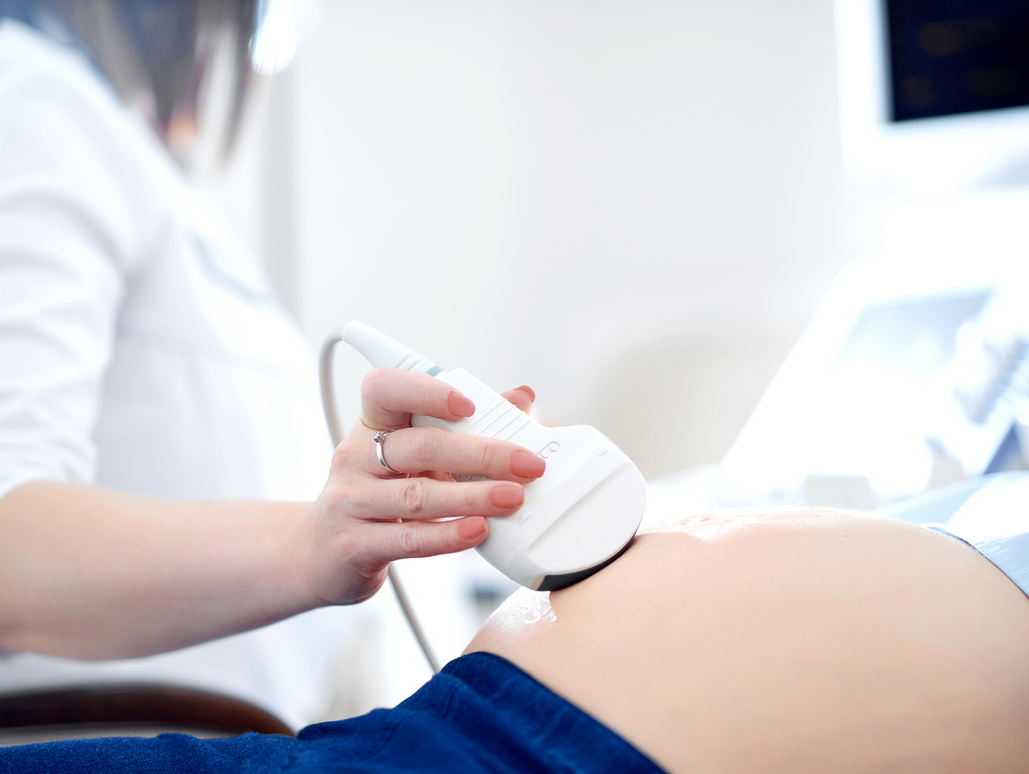
| Assesses the uterus, ovaries and pelvic structures in detail; used for fibroids, cysts, endometrial thickness and early monitoring of pregnancy. | |
| Identifies the human papillomavirus types that increase the risk of cervical cancer. | |
| FSH, LH, oestradiol, progesterone, AMH, testosterone and prolactin levels; used in the assessment of PCOS, infertility and menopause. | |
| Magnified examination of the cervix when an abnormal Pap smear is detected, with biopsy where necessary. | |
| Taking a tissue sample from the inner surface of the uterus in cases of abnormal uterine bleeding or increased endometrial thickness. | |
| A minimally invasive method that visualises the inside of the uterus directly and allows treatment where required. | |
| CA-125 (ovarian tumour marker), thyroid function, hormone tests, full blood count and coagulation tests are requested according to the clinical picture. |
Treatment Approaches
The treatment plan is determined by the diagnosis, the patient's age, her pregnancy plans and the severity of the symptoms.
| Approach | What is done |
|---|---|
| Oral contraceptives, progestins and hormone replacement therapy are used in the management of PCOS, endometriosis, menstrual irregularities and menopause. | |
| Asymptomatic fibroids are monitored; in symptomatic cases, medical treatment (GnRH analogues, SPRMs) or surgery (myomectomy or hysterectomy) is considered. | |
| Hormonal or non-hormonal treatment options are planned according to symptom severity and any contraindications. | |
| Work is coordinated with the assisted reproduction centre for ovulation induction, intrauterine insemination (IUI) or assisted reproductive technology (IVF). | |
| Ultrasound, biochemical screening and fetal surveillance according to trimester; high-risk pregnancies are monitored jointly with the perinatology department. | |
| Coordination with the oncology council is provided in the case of an abnormal smear, a colposcopy finding or a suspicious ultrasound result. |
Joint management is provided with the Perinatology Department for pregnancy complications and with the Medical Oncology Department for gynecological oncology.
Assessment for gynecological examination, pregnancy follow-up and menopause counselling is provided at the Academic Hospital Gynecology and Obstetrics Department.
Book an AppointmentGynecology and Obstetrics at Academic Hospital
At the Academic Hospital Gynecology and Obstetrics Department, routine gynecological check-ups, pregnancy follow-up, delivery management and menopause counselling are carried out under one roof. The department works routinely with the following units:
- Perinatology and High-Risk Pregnancies: joint follow-up of high-risk pregnancies and detailed fetal assessment
- Urogynecology: assessment of pelvic floor problems and urinary incontinence complaints
- Medical Oncology: joint treatment planning in gynecological cancers
- Menopause: long-term follow-up of the perimenopausal and menopausal period
- Endocrinology and Metabolic Diseases: joint management of PCOS, thyroid and metabolic disorders
- Breast Diseases and Surgery: breast screening and further assessment of any findings
- Neonatal Intensive Care: follow-up of newborns requiring care after delivery
Frequently Asked Questions
References
The general information given on this page about gynecological diseases, diagnostic methods, pregnancy follow-up and menopause management is supported by the reliable health sources listed below.
- American College of Obstetricians and Gynecologists (ACOG), "Gynecology Guidelines", acog.org
- European Society of Human Reproduction and Embryology (ESHRE), "PCOS Guideline", eshre.eu
- World Health Organization, "Reproductive Health", who.int
The information on this page is for informational purposes only; it does not replace medical examination, diagnosis or treatment. Please consult a healthcare institution regarding your complaints.