
 WhatsApp
Round-the-Clock Emergency Care and Stabilisation
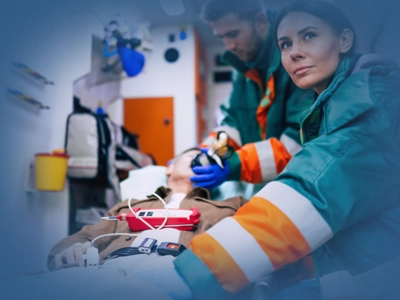
The Academic Hospital Emergency Department provides uninterrupted care 24 hours a day, seven days a week for every kind of life-threatening and time-critical condition. Using the internationally validated Manchester Triage System, every patient who arrives is assessed in order of priority and unnecessary waiting is kept to a minimum. Experienced emergency physicians, nurses and support staff serve all age groups with a comprehensive infrastructure that extends from the resuscitation room to the observation units.
Contents
What Is an Emergency Department?
An emergency department is the medical unit where a patient is rapidly assessed and stabilised in cases of sudden, unexpected illness or injury and, if necessary, referred to the relevant specialist or admitted to hospital. Emergency medicine specialists are trained to provide the initial management of medical, surgical and psychiatric emergencies. Having imaging, laboratory and invasive intervention facilities together within the department shortens the time to life-saving treatment.
Which Conditions and Diseases Are Assessed?
- Heart attack (acute myocardial infarction, AMI): An emergency arising from occlusion of a coronary artery that requires stabilisation until thrombolytic treatment or catheter intervention
- Stroke (cerebrovascular event): Management of ischaemic or haemorrhagic cerebral vascular damage with imaging and treatment in the first hours, guided by the principle that "time is brain"
- Polytrauma: Multiple organ and system injury caused by mechanisms such as road traffic accidents, falls or workplace accidents; a systematic approach is applied under the trauma team protocol
- Acute abdomen: Conditions that may require emergency surgery, such as appendicitis, bowel obstruction, complications of gallstones and mesenteric ischaemia
- Respiratory distress: Asthma attack, COPD exacerbation, pneumonia, pulmonary embolism (occlusion of a lung vessel) and pneumothorax (lung collapse)
- Anaphylaxis: A severe systemic allergic reaction due to an insect sting or a drug or food allergy; it requires rapid treatment with adrenaline
- Impaired consciousness: Altered consciousness due to hypoglycaemia, intoxication, epilepsy, meningitis or head trauma
- Poisoning (intoxication): Management of drug overdose, ingestion of chemical substances or alcohol intoxication with supportive treatment and antidote administration
- High fever and infection: Presentations that meet the criteria for sepsis; initiation of antibiotics and haemodynamic stabilisation
- Acute kidney failure and metabolic emergencies: Hyperkalaemia and hypokalaemia, diabetic ketoacidosis and hyperglycaemic hyperosmolar state
- Psychiatric emergencies: Suicide attempt, acute psychosis, severe agitation
- Obstetric emergencies: Vaginal bleeding, premature rupture of membranes, pre-eclamptic crisis
When Should You Come to the Emergency Department?
The following situations require an immediate visit to the emergency department; rather than calling 112 or sending someone else, come in person or by ambulance:
- Chest pain or a sensation of tightness or pressure (particularly radiating to the left side, the jaw or the arm)
- Facial drooping, sudden numbness in an arm or leg, difficulty speaking (signs of stroke)
- Loss of consciousness or failure to respond to stimuli
- Severe breathlessness or difficulty breathing that is also present at rest
- Uncontrolled bleeding
- Severe allergic reaction (swelling of the face or throat, inability to breathe)
- High fever together with neck stiffness, sensitivity to light or altered consciousness
- A fall from height, a road traffic accident or blunt force injury
- Suspected poisoning or drug overdose
- A newborn or infant who is not breathing or is turning blue
Important: When in doubt, do not hesitate to come to the emergency department; the initial assessment is carried out within a short time.
Triage System: The Manchester Triage System
The Academic Hospital Emergency Department works with the Manchester Triage System (MTS), which is widely used internationally. Every patient who arrives is triaged by an experienced nurse and assigned to one of the colour codes below according to their symptoms:
| Colour code | Clinical picture and target time to assessment |
|---|---|
| Respiratory or circulatory arrest; immediate intervention (0 minutes) | |
| Airway problem, haemorrhagic shock, loss of consciousness; assessment within 10 minutes | |
| Severe pain, high fever, injury to a whole limb; assessment within 30 minutes | |
| Moderate symptoms, stable vital signs; assessment within 60 minutes | |
| Mild and chronic symptoms; assessment within 120 minutes |
The triage category can be reassessed according to the clinical situation; it is important that patients whose condition deteriorates while waiting inform the triage nurse.
Diagnostic Methods
| Method | What it is used for |
|---|---|
| A 12-lead ECG recorded within 10 minutes of arrival where chest pain or a rhythm disturbance is suspected; the gold standard for diagnosing AMI. | |
| Biomarkers showing damage to the heart muscle; used in the biochemical diagnosis of acute myocardial infarction and heart failure. | |
| A critical care test that assesses oxygenation, ventilation and acid-base balance within minutes. | |
| A biomarker showing tissue hypoperfusion (insufficient oxygen supply) and the severity of sepsis. | |
| A broad initial laboratory assessment; these are the basic tests for detecting sepsis, liver and kidney failure and coagulopathies. | |
| CT of the brain, thorax, abdomen and pelvis allows stroke, internal bleeding, pulmonary embolism and acute abdomen to be assessed rapidly. Contrast-enhanced CT angiography is used for vascular pathology. | |
| With the FAST protocol (Focused Assessment with Sonography in Trauma), pericardial, intra-abdominal and pleural bleeding is detected within minutes in trauma cases. | |
| Used for the rapid detection of pneumothorax, pneumonia, cardiac enlargement and pulmonary oedema. |
Treatment Approaches
| Treatment | Scope and application |
|---|---|
| Resuscitation in accordance with international protocols in cardiopulmonary arrest or severe trauma. | |
| Simultaneous intervention by the emergency physician, surgeon, orthopaedic surgeon and, where necessary, the anaesthetist in polytrauma cases; the primary and secondary surveys are carried out systematically. | |
| Intravenous thrombolytic treatment (rt-PA) in suitable patients within 4.5 hours of symptom onset; coordination with radiology for endovascular thrombectomy. | |
| Rapid transfer of STEMI patients to the catheterisation laboratory and planning of primary PCI (percutaneous coronary intervention) so that the door-to-balloon time is kept under 90 minutes. | |
| The standard management package covering blood culture sampling, initiation of antibiotics, fluid resuscitation and monitoring of urine output within the first hour of a sepsis diagnosis. | |
| Oxygen support, non-invasive ventilation (BiPAP/CPAP) or endotracheal intubation and mechanical ventilation support. | |
| Patients who have been stabilised and whose emergency treatment is complete are admitted to the relevant specialist ward according to the clinical picture, or are monitored in the observation unit before a discharge decision is made. |
Get information about the Academic Hospital Emergency Department.
Book an AppointmentThe Emergency Department at Academic Hospital
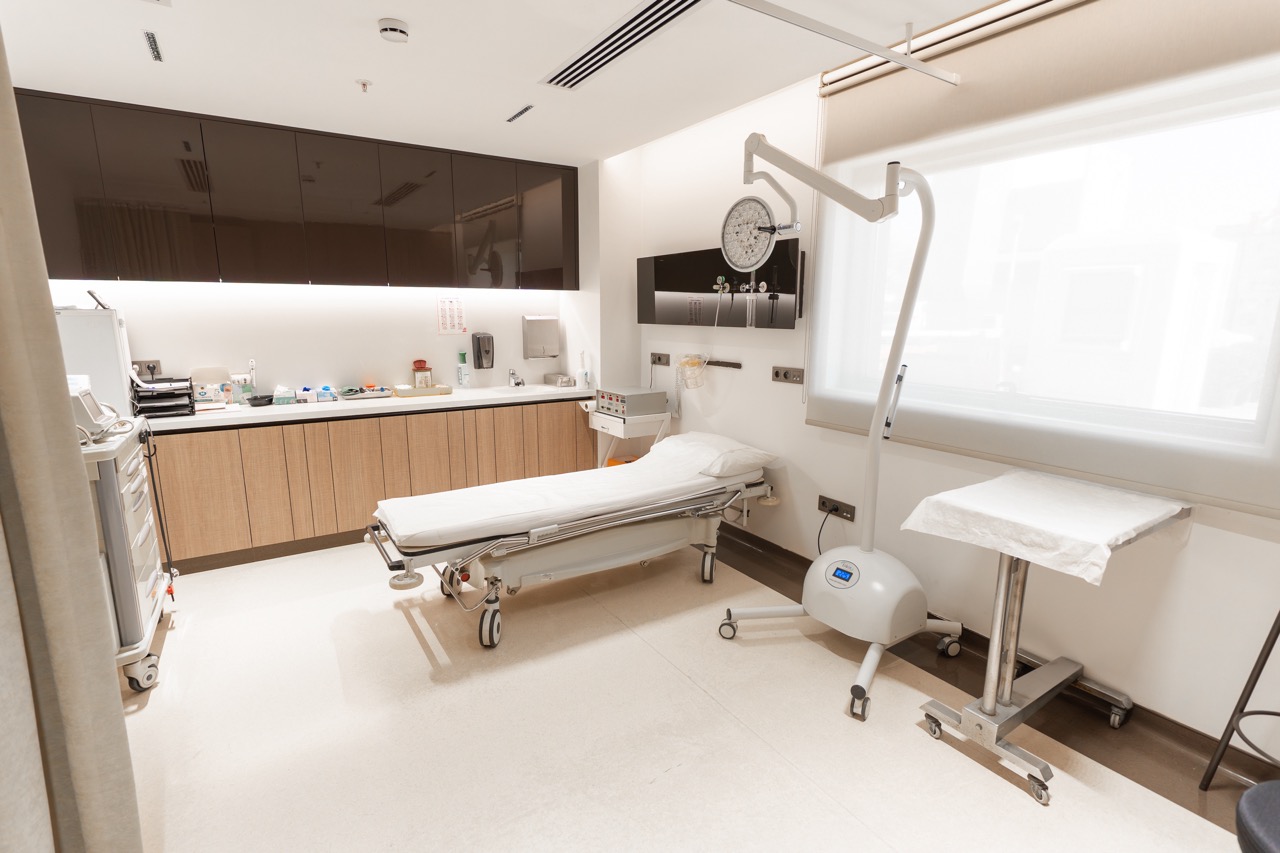
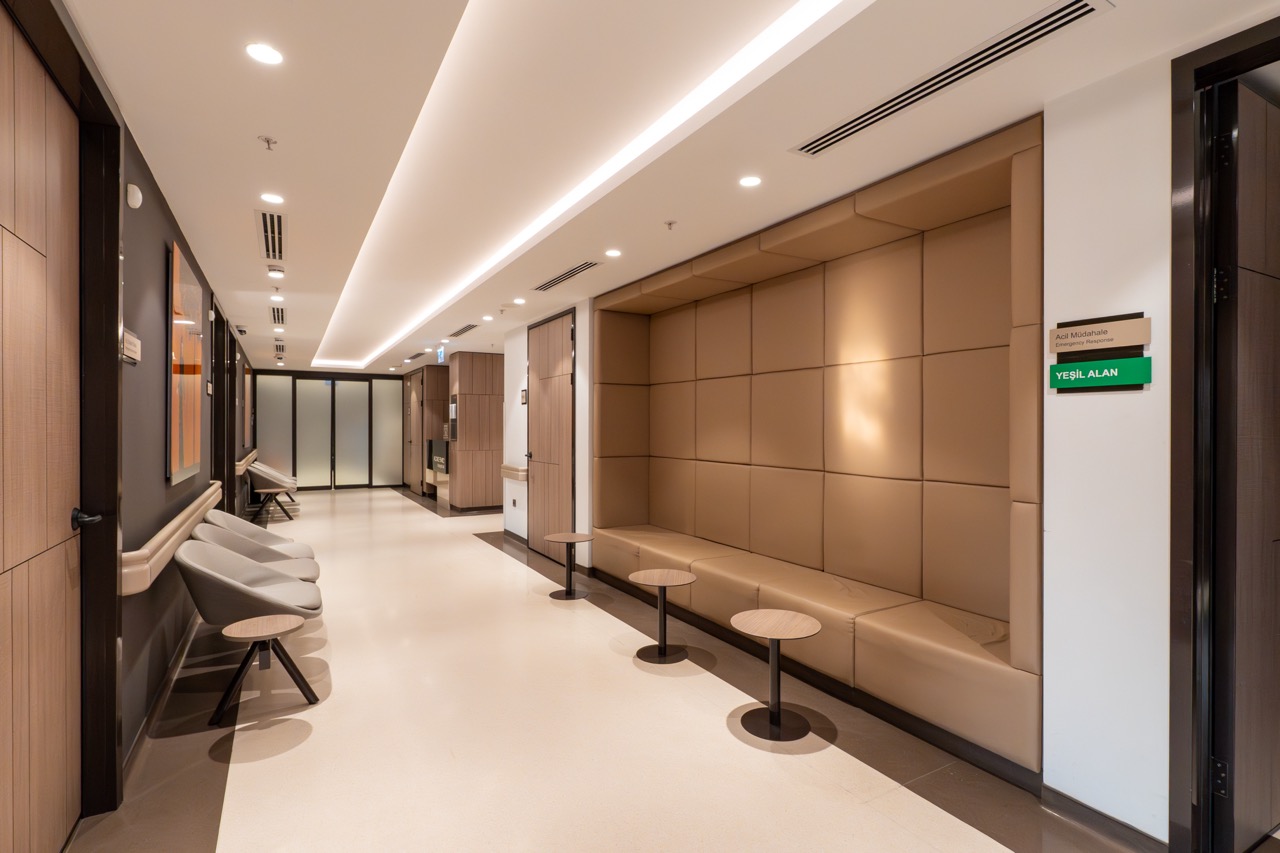
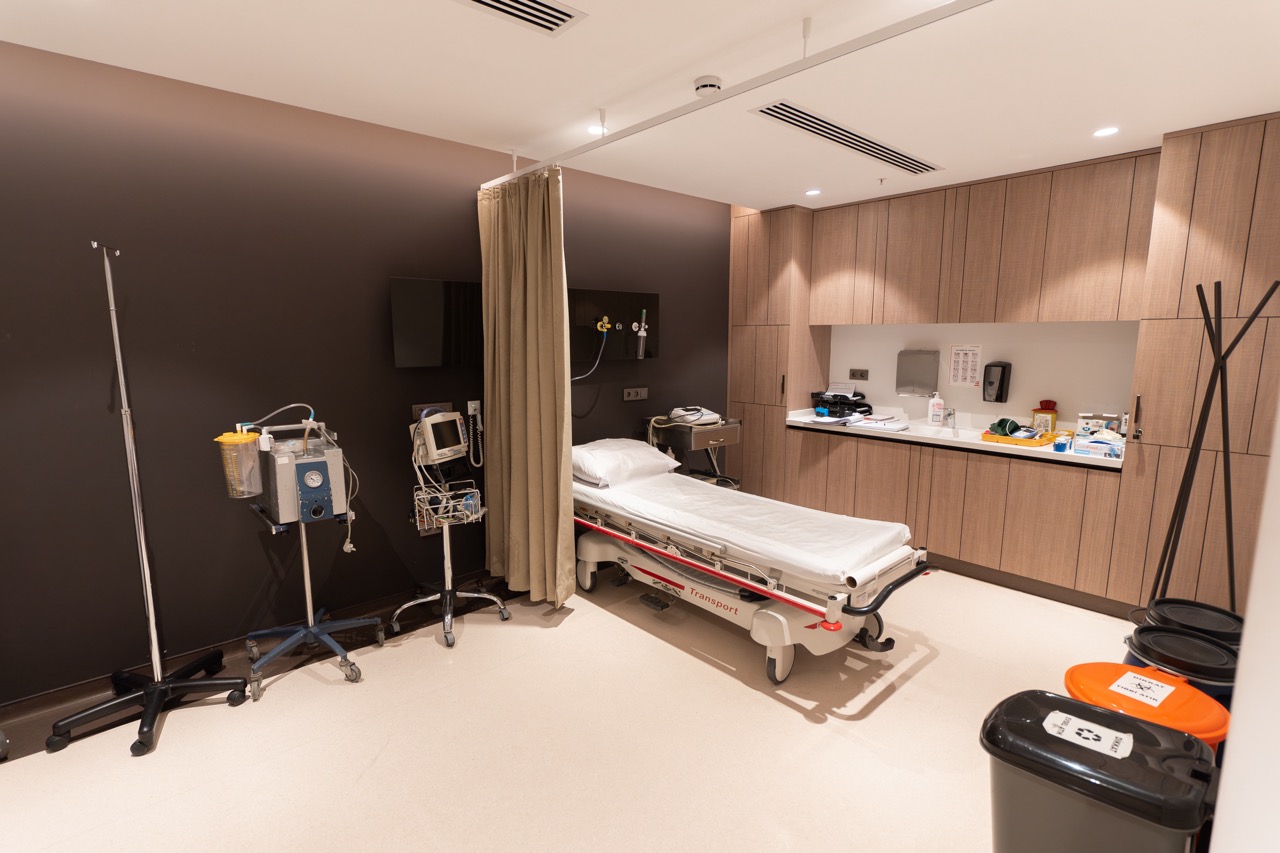
The Academic Hospital Emergency Department operates 24 hours a day, seven days a week, with an infrastructure extending from the triage area to the resuscitation room and the observation units. Because imaging and laboratory services are provided under the same roof, the time to treatment is shortened. The department works routinely with the following departments:
- Cardiology: rapid transfer to the catheterisation laboratory in acute coronary syndrome and subsequent follow-up
- Neurology: neurological assessment and the thrombolysis decision within the stroke protocol
- General Surgery: emergency surgical assessment in acute abdomen and trauma
- Orthopaedics and Traumatology: management of fractures, dislocations and limb injuries
- Radiology: emergency computed tomography, ultrasonography and radiography
- General Intensive Care: transfer of stabilised critical patients to intensive care
- Pediatrics: specialist consultation in paediatric emergency cases
Frequently Asked Questions
Appointment and Information
444 0 353Emergency Department open 24/7
Online appointments are for non-urgent applications; in an emergency, come directly to the emergency department.
References
The general information given on this page about emergency medical assessment, triage practice and emergency treatment protocols is supported by the reliable health sources listed below.
- NCBI Bookshelf (StatPearls), "Emergency Department Triage", ncbi.nlm.nih.gov
- American Heart Association, "2020 AHA Guidelines for CPR and Emergency Cardiovascular Care", cpr.heart.org
- National Institute of Neurological Disorders and Stroke, "Know Stroke: Know the Signs. Act in Time.", ninds.nih.gov
- PubMed, "The Third International Consensus Definitions for Sepsis and Septic Shock (Sepsis-3)", pubmed.ncbi.nlm.nih.gov
- Republic of Türkiye Ministry of Health, "Emergency Department Services", shgm.saglik.gov.tr
The information on this page is for informational purposes only; it does not replace medical examination, diagnosis or treatment. Please consult a healthcare institution regarding your complaints.