
 WhatsApp
Diagnosis, Treatment and Comprehensive Thyroid Care
The Academic Hospital Thyroid Diseases and Treatment Unit diagnoses all diseases affecting the thyroid gland and carries out long term follow up with personalised treatment plans. Run in collaboration with endocrinology, radiology and endocrine surgery, the unit covers a broad spectrum ranging from functional disorders such as hypothyroidism and hyperthyroidism to thyroid nodules and thyroid cancer. Accompanying metabolic diseases are assessed jointly with the internal medicine department for coordinated management.
Contents
What Is the Thyroid Diseases and Treatment Unit?
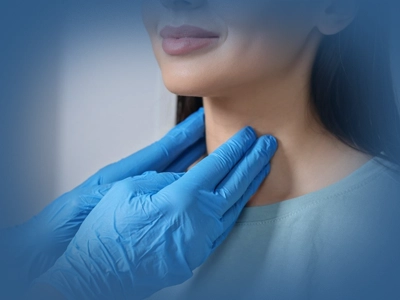
The Thyroid Diseases Unit is a subspecialty unit of endocrinology that assesses hormone imbalances, structural disorders and tumours of the butterfly shaped thyroid gland in the neck. Thyroid hormones affect almost every system in the body, above all metabolism, heart rhythm, bone density and reproductive health; thyroid diseases therefore present with a wide and varied range of symptoms.
Which Diseases and Conditions Are Treated?
The unit assesses and treats the full range of functional, structural and tumoural diseases of the thyroid gland.
- Hypothyroidism (insufficient thyroid hormone production)
- Hyperthyroidism (excessive thyroid hormone production)
- Hashimoto thyroiditis (autoimmune hypothyroidism)
- Graves disease (autoimmune hyperthyroidism)
- Goitre (enlargement of the thyroid gland; nodular or diffuse)
- Thyroid nodules (benign or suspicious masses)
- Subacute thyroiditis (De Quervain thyroiditis)
- Pregnancy related thyroid diseases (gestational thyroiditis, postpartum thyroiditis)
- Thyroid cancer (papillary, follicular, medullary and anaplastic thyroid cancer)
- Dose monitoring and management of thyroid hormone medication
When Should You Consult Us?
The following symptoms and situations call for a consultation with the Thyroid Diseases Unit.
- Swelling, firmness or asymmetry felt or seen in the neck
- Fatigue, feeling cold, weight gain and constipation (symptoms of hypothyroidism)
- Palpitations, irritability, hand tremor, excessive sweating and weight loss (symptoms of hyperthyroidism)
- Hoarseness or difficulty swallowing
- Marked swelling or outward protrusion of the eyes (exophthalmos)
- Irregular menstrual cycles or difficulty conceiving
- Depression, memory difficulties or impaired concentration
- A TSH value found to be outside the normal range in a routine blood test
- A request for periodic screening by first degree relatives of people with thyroid disease
Urgent consultation: Difficulty breathing together with neck swelling, fever and sudden neck pain (suspected thyroid abscess or acute thyroiditis) are situations that require urgent assessment. Please also go to the emergency department if you have symptoms of thyrotoxic crisis.
Diagnostic Methods
In thyroid diseases the diagnosis is established through a systematic process covering hormone measurements, autoimmune markers, imaging and, where necessary, biopsy.
| Method | Scope and use |
|---|---|
| The primary method for screening for thyroid dysfunction; a low TSH points to hyperthyroidism and a high TSH to hypothyroidism. | |
| Shows thyroid hormone levels directly alongside TSH; used to confirm the diagnosis and assess the severity of the disease. | |
| Used in the diagnosis of autoimmune thyroid diseases such as Hashimoto thyroiditis and Graves disease. | |
| Measured to diagnose Graves disease and to monitor the response to treatment. | |
| Allows detailed assessment of the gland in terms of size, structure and nodules; it is the primary imaging method for detecting suspicious nodules. | |
| A cell sample is taken from suspicious nodules to distinguish benign from malignant; it is the gold standard diagnostic method. | |
| Assesses the functional status of the nodule (cold, hot or warm) and, in cases of hyperthyroidism, suitability for radioactive iodine therapy. | |
| Measured in screening for medullary thyroid cancer. |
Treatment Approaches
Treatment in thyroid diseases is individualised among medical, radionuclide and surgical options according to the type and severity of the disease and the patient's general condition.
| Treatment | Scope and application |
|---|---|
| The standard treatment that replaces the missing hormone in hypothyroidism; the dose is individualised according to the TSH target and reviewed at regular intervals. | |
| Used to suppress thyroid hormone synthesis in hyperthyroidism and Graves disease; once remission has been assessed, the medication may be stopped or definitive treatment may be started. | |
| Applied in hyperthyroidism and in some thyroid cancer cases to destroy thyroid tissue selectively; it is planned in coordination with endocrine surgery. | |
| Performed together with the endocrine surgery team in cases of large goitre, suspicious or malignant nodules, hyperthyroidism that cannot be controlled with medication, or thyroid cancer. | |
| Active surveillance with ultrasound every 6 to 12 months in benign nodules; a repeat fine needle aspiration biopsy is planned if the nodule grows or its features change. | |
| TSH targets are set by trimester throughout pregnancy; the levothyroxine dose is usually increased and close follow up is maintained. |
Book an appointment with the Academic Hospital Thyroid Diseases and Treatment Unit.
Book an AppointmentThyroid Diseases and Treatment at Academic Hospital
The Academic Hospital Thyroid Diseases and Treatment Unit carries out outpatient assessment, hormone testing, thyroid ultrasound, fine needle aspiration biopsy and treatment follow up under one roof. The unit works routinely with the following departments:
- Endocrinology and Metabolic Diseases: assessment of hormone imbalances and definition of the treatment plan
- Endocrine Surgery: referral of goitre, nodule and thyroid cancer cases requiring a thyroidectomy decision
- Radiology: thyroid ultrasound and fine needle aspiration biopsy under imaging guidance
- Internal Medicine: coordinated management of accompanying metabolic diseases
- Pathology: cytopathological and histopathological assessment of biopsy and surgical materials
- Gynecology and Obstetrics: joint follow up in gestational and postpartum thyroiditis
- Ear, Nose and Throat: assessment of hoarseness and difficulty swallowing
Frequently Asked Questions
Answers to the questions most frequently asked about the Thyroid Diseases and Treatment Unit are given below.
References
The general information given on this page about the diagnosis of thyroid diseases, the treatment options and the follow up process is supported by the reliable health sources listed below.
- National Institutes of Health, "Hypothyroidism: Overview and Management (StatPearls)", ncbi.nlm.nih.gov
- National Institutes of Health, "Thyroid Nodule Evaluation Guidelines", ncbi.nlm.nih.gov
- World Health Organization, "Iodine Deficiency (Nutrition Landscape Information System)", who.int
- American Thyroid Association, "ATA Professional Guidelines", thyroid.org
The information on this page is for informational purposes only; it does not replace medical examination, diagnosis or treatment. Please consult a healthcare institution regarding your complaints.