

 WhatsApp
What is Anesthesia?
Anesthesia, applied before surgical interventions, is the name given to the process of making the whole body or a specific part of it insensitive to pain. The medications used to prevent the patient from feeling pain during the procedure are determined and administered by an anesthesia and reanimation specialist.
Anesthesia has different types such as general, regional, local anesthesia, and sedation applications.
What is Reanimation?
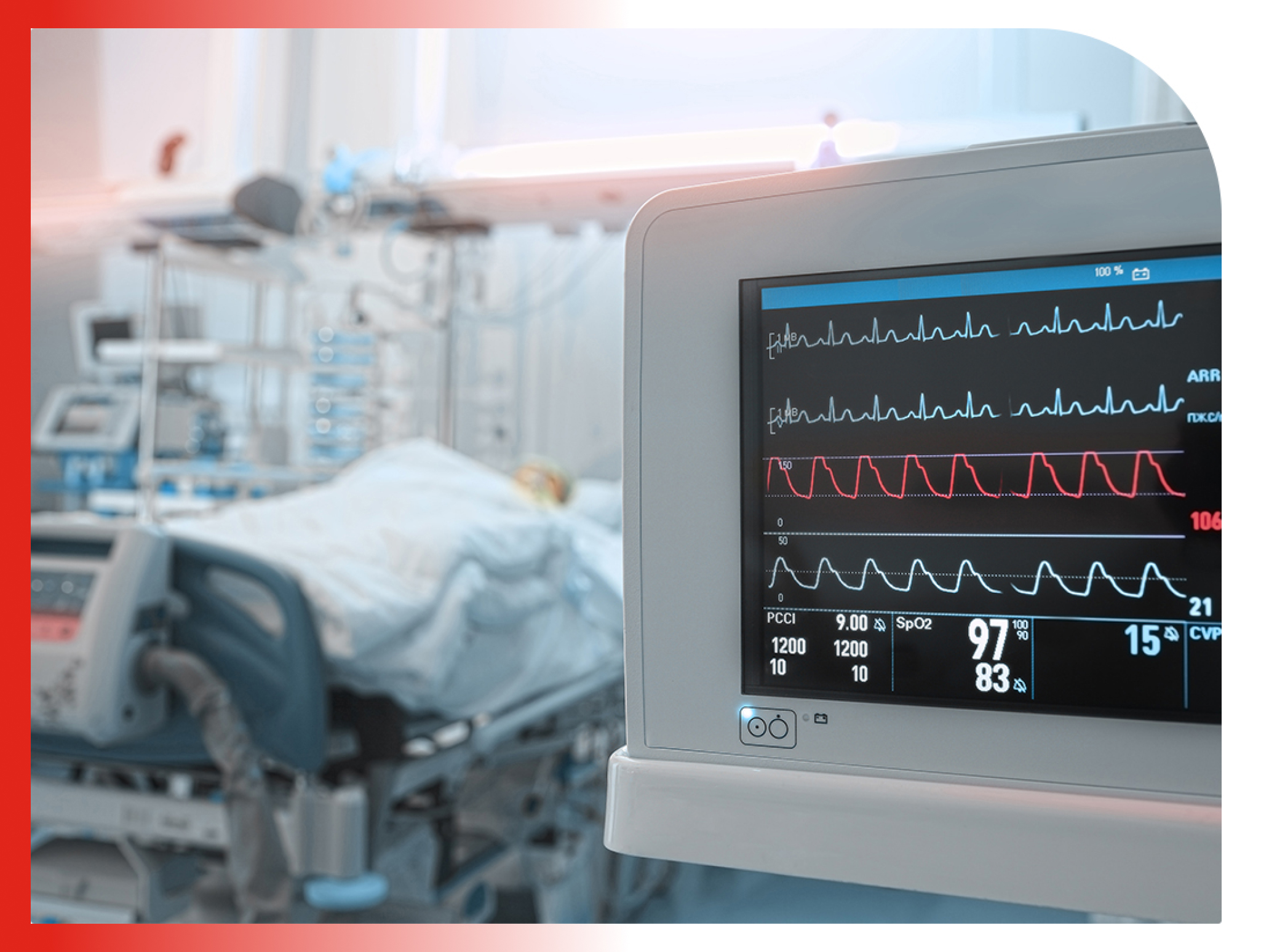
Reanimation, which means "reviving," is the sum of methods used to normalize vital functions that have been damaged or temporarily stopped. Reanimation Units, namely Intensive Care Units established for this purpose, are equipped with electronic systems, artificial respiration equipment, and cardiac defibrillators to ensure the treatment and continuous monitoring of the patient's vital functions.
Vital Monitoring
Pain management and applications for dealing with vital problems during and after the intervention are monitored with advanced technology devices.
Physiological Balance
All balances of the body are kept within physiological limits, ensuring a comfortable and safe process for the patient.
Academic Hospital Anesthesia and Reanimation Department
In the Academic Hospital Anesthesia and Reanimation Department, it is ensured that surgical operations and some diagnostic and treatment applications can be performed without the patient feeling any pain, by keeping all balances of the body within physiological limits.
In this context, medical evaluation before the intervention, pain management during and after the intervention, and applications for dealing with vital problems are implemented by the experienced Anesthesia and Reanimation Department staff using advanced technology devices and monitors.