
 WhatsApp
Diagnosis and Treatment of Precocious Puberty
Contents
What Is Precocious Puberty?
Puberty is a developmental period characterized by psychological changes, during which sexual maturation and growth are completed and reproductive ability is gained as a result. Precocious puberty is defined as the appearance of pubertal signs before the age of 8 in girls and before the age of 9 in boys.
Pubertal signs are defined as breast development in girls, enlargement of the testes and penis in boys, and hair growth in the genital area and underarms in both sexes.
How Is Precocious Puberty Diagnosed?
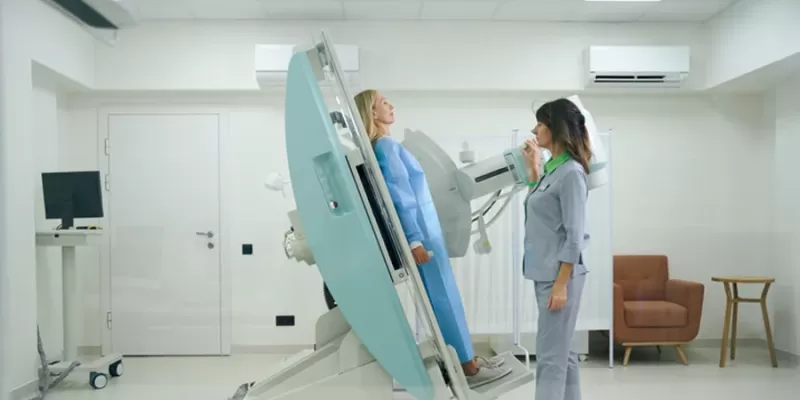
In the first stage, the child’s height and weight measurements should be taken, and a physical examination should be performed. Afterwards, laboratory tests such as hormone measurements are carried out, and a hand-wrist X-ray is taken to determine bone age. Then, ultrasonography is used to determine the size of the uterus and ovaries in girls. In boys, if there is asymmetric enlargement of the testes, scrotal ultrasonography should be performed. Brain and pituitary imaging is also performed in all boys diagnosed with central precocious puberty based on test results, and in girls younger than seven years of age.
How Is Precocious Puberty Treated?
In central precocious puberty, suppression treatment is applied for luteinizing hormone (LH) and follicle-stimulating hormone (FSH), which cause puberty. For this purpose, leuprolide acetate or triptorelin acetate is administered by intramuscular injection every 28 days or every three months.
Frequently Asked Questions
References
- Endocrine Society. Central Precocious Puberty: An Endocrine Society Clinical Practice Guideline, 2026
- Pediatric Endocrine Society. Central Precocious Puberty Clinical Practice Guideline
- MedlinePlus. Precocious Puberty
- American Academy of Pediatrics. Physical Changes During Puberty