
 WhatsApp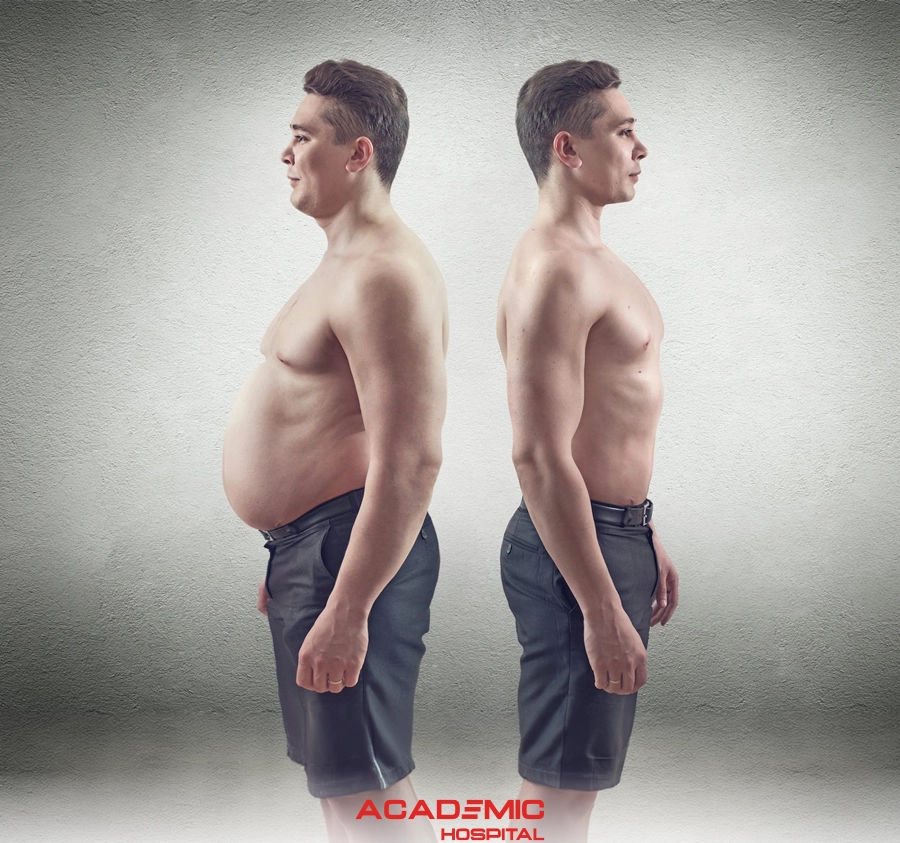
What Is Obesity? BMI, Health Risks and Treatment
Contents
- What Is Obesity?
- What Causes Obesity?
- What Is BMI?
- How Is BMI Calculated?
- What Are the Adult BMI Categories?
- Is BMI Enough on Its Own?
- Why Is Waist-to-Height Ratio Important?
- What Health Risks Are Associated With Obesity?
- How Is Obesity Assessed?
- How Is Obesity Treated?
- Nutrition Treatment
- Physical Activity
- Behavioural Support
- When Are Medicines Used?
- When Is Bariatric Surgery Considered?
- What Is the Dietitian's Role?
- Frequently Asked Questions
What Is Obesity?
Obesity is a chronic disease characterised by abnormal or excessive accumulation of body fat that can impair health.
Current World Health Organization guidance recognises obesity as a chronic, relapsing condition influenced by complex interactions between genetic, neurobiological, behavioural, environmental and social factors.
Obesity should therefore not be explained simply as a consequence of eating too much or exercising too little.
Diet and physical activity are important, but sleep, medicines, metabolic disease, psychological health, genetics and the wider environment can also influence body weight.
What Causes Obesity?
Obesity is usually multifactorial.
Contributing factors can include genetics, neurobiological regulation of appetite and energy balance, energy-dense diets, low physical activity, inadequate sleep, some medicines, selected endocrine or metabolic disorders, psychological factors, socioeconomic circumstances and environmental barriers to healthy eating or physical activity.
What Is Body Mass Index?
Body Mass Index (BMI) is a practical screening measure used to relate an adult's weight to height.
BMI does not directly measure body fat and cannot by itself fully describe an individual's metabolic health or body composition.
How Is BMI Calculated?
For example, a person weighing 80 kg and measuring 1.70 metres has a BMI of approximately 27.7 kg/m².
Adult BMI thresholds should not be applied directly to children. Children and adolescents are assessed using age- and sex-specific growth references.
What Are the Adult BMI Categories?
- Below 18.5 kg/m²: Underweight
- 18.5–24.9 kg/m²: Healthy weight range
- 25.0–29.9 kg/m²: Overweight
- 30.0–34.9 kg/m²: Class 1 obesity
- 35.0–39.9 kg/m²: Class 2 obesity
- 40 kg/m² or more: Class 3 obesity
The term Class 3 obesity or severe obesity is generally preferable to older terminology such as “morbid obesity”.
Is BMI Enough on Its Own?
No.
BMI cannot distinguish muscle mass from fat mass and does not show where fat is distributed.
A muscular person may have a high BMI without excessive body fat, while someone with a BMI in the healthy range can still have substantial central adiposity.
Why Is Waist-to-Height Ratio Important?
Central adiposity is associated with cardiometabolic risk.
For adults with a BMI below 35 kg/m², waist-to-height ratio can complement BMI when assessing central fat distribution.
NICE recommends using a waist circumference less than half of a person's height as a practical target where appropriate.
- 0.40–0.49: Healthy central adiposity range
- 0.50–0.59: Increased central adiposity
- 0.60 or more: High central adiposity
What Health Risks Are Associated With Obesity?
Obesity is associated with increased risk of several chronic conditions, although not every person with obesity will develop the same complications.
- Type 2 diabetes
- Hypertension
- Cardiovascular disease
- Dyslipidaemia
- Obstructive sleep apnoea
- Metabolic dysfunction-associated steatotic liver disease
- Osteoarthritis
- Certain cancers
- Selected reproductive-health problems
- Reduced quality of life and psychosocial complications
How Is Obesity Assessed?
Assessment should look beyond the number on the scale.
Depending on the person, it can include weight, height, BMI, waist circumference, waist-to-height ratio, blood pressure, glucose or HbA1c, lipids, liver health, symptoms of sleep apnoea, medicines, diet, physical activity, sleep and psychological wellbeing.
How Is Obesity Treated?
The goal of obesity treatment is not simply to reduce body weight.
Treatment aims to reduce health risks, improve obesity-related diseases, support function and quality of life and help maintain clinically meaningful weight loss over time.
Depending on individual needs, treatment can include nutrition therapy, physical activity, behavioural support, sleep and lifestyle interventions, anti-obesity medicines and metabolic or bariatric surgery in selected patients.
What Is the Role of Nutrition Treatment?
Nutrition treatment should take account of energy needs, medical conditions, cultural preferences, daily routines, food access and long-term sustainability.
There is no single diet that is best for every person living with obesity.
An appropriate plan can create a sustainable energy deficit while preserving adequate protein, fibre, vitamins and minerals and encouraging nutrient-dense foods such as vegetables, fruit, whole grains and legumes.
What Is the Role of Physical Activity?
Physical activity supports cardiovascular health, glucose control, muscle mass, physical function and long-term weight maintenance.
Activity should be adapted to the person's age, joint health, cardiovascular status and current functional capacity.
Why Is Behavioural Support Important?
Weight management involves more than knowing which foods to eat.
Meal patterns, emotional eating, environmental triggers, sleep, stress, portion habits and realistic goal setting can all influence long-term outcomes.
Multidisciplinary support from dietitians, physicians, psychologists and other healthcare professionals may be useful when indicated.
When Are Medicines Used for Obesity?
Anti-obesity medication can be considered in suitable patients as part of a comprehensive treatment programme.
Choice of medication should take account of BMI, obesity-related diseases, previous treatment, contraindications, adverse effects and individual treatment goals.
Prescription obesity medicines should not be used without appropriate medical assessment and follow-up.
When Is Bariatric Surgery Considered?
Metabolic and bariatric surgery can be an effective treatment option for appropriately selected people with obesity.
The decision should consider obesity severity, metabolic disease, previous treatment, operative risk and ability to participate in long-term nutritional and medical follow-up.
Long-term nutrition, micronutrient monitoring, physical activity and medical follow-up remain necessary after surgery.
What Is the Dietitian's Role?
A dietitian can help develop a sustainable eating plan based on the person's health, lifestyle and treatment goals.
The role is broader than simply providing a meal plan and can include dietary assessment, portion management, meal planning, nutritional adequacy, realistic goal setting, weight-maintenance support and nutritional follow-up during medication or bariatric treatment.
Obesity Treatment Is About More Than Losing Weight
Weight, central adiposity, metabolic health, obesity-related diseases, physical capacity and quality of life can all be considered when developing an individual treatment plan.
Frequently Asked Questions
References
- Academic Hospital. Healthy Weight Ranges and Obesity Classes
- World Health Organization. Obesity and Overweight
- National Institute for Health and Care Excellence. Overweight and Obesity Management