

 WhatsApp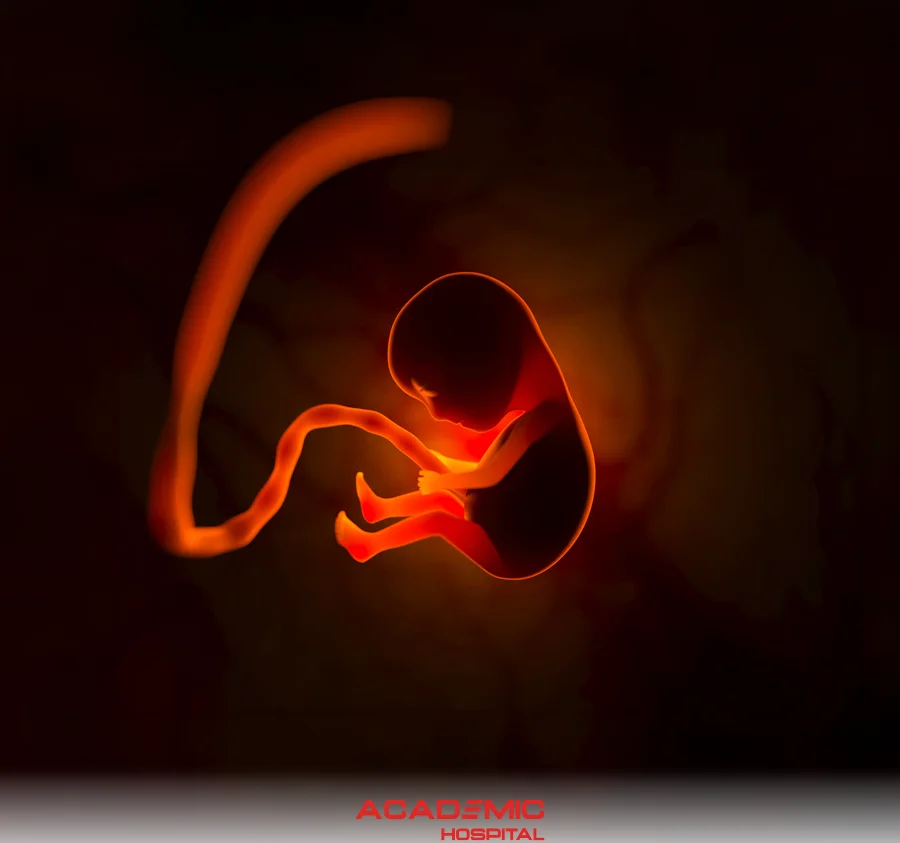
What Is Amniotic Fluid? Low Levels, High Levels, and Normal Values
Contents
- What Is Amniotic Fluid?
- What Does Amniotic Fluid Do?
- How Is Amniotic Fluid Formed?
- How Much Amniotic Fluid Should There Be?
- How Is Amniotic Fluid Measured?
- What Is Low Amniotic Fluid (Oligohydramnios)? What Causes It?
- What Is Excess Amniotic Fluid (Polyhydramnios)? What Causes It?
- Can Changes in Amniotic Fluid Affect the Baby?
- How Can Amniotic Fluid Leakage Be Recognized?
- How Are Amniotic Fluid Problems Monitored?
- When Should a Doctor Be Consulted?
- Frequently Asked Questions
- References
What Is Amniotic Fluid?
Amniotic fluid is the usually clear or pale yellow fluid that fills the amniotic sac surrounding the baby in the uterus throughout pregnancy. It helps protect the baby from external impacts, allows free movement, and contributes to musculoskeletal and lung development. It also helps prevent compression of the umbilical cord and contributes to maintaining a stable temperature around the baby.
The amount of amniotic fluid changes throughout pregnancy. When the amount is lower than expected for the gestational age, the condition is called oligohydramnios. When it is higher than expected, it is called polyhydramnios. Both conditions may require closer monitoring of the pregnancy.
What Does Amniotic Fluid Do?
Amniotic fluid has several important functions in the baby's development.
- It helps protect the baby against external impact and pressure.
- It allows the baby to move freely inside the uterus.
- It supports muscle and bone development.
- It contributes to lung development.
- It helps reduce the risk of umbilical cord compression.
- It contributes to maintaining a stable temperature around the baby.
- It supports the development of the digestive and respiratory systems.
For these reasons, having an amount of amniotic fluid appropriate for the gestational age is one of the important factors evaluated during pregnancy follow-up.
How Is Amniotic Fluid Formed?
In the early stages of pregnancy, a significant portion of amniotic fluid is derived from maternal fluids. As pregnancy progresses, the baby's kidneys and urinary system develop, and fetal urine begins to make up an important part of the amniotic fluid.
The baby also swallows amniotic fluid. In this way, a continuous cycle is established between the production and absorption of the fluid.
Certain conditions involving the baby, placenta, or mother may affect this balance and cause the amount of amniotic fluid to decrease or increase.
How Much Amniotic Fluid Should There Be?
The amount of amniotic fluid varies according to gestational age. Therefore, there is no single value that represents a “normal amount of amniotic fluid.”
The amount generally increases as pregnancy progresses, reaches its highest levels at approximately 34–36 weeks, and usually decreases gradually as delivery approaches. These values are averages and are not used alone for clinical assessment.
During pregnancy follow-up, amniotic fluid is generally not measured directly in milliliters. Instead, specific ultrasound measurement methods are used.
How Is Amniotic Fluid Measured?
Ultrasonography is used to evaluate amniotic fluid. The two most commonly used methods are:
- Amniotic Fluid Index (AFI): The uterus is divided into four regions on ultrasound. The vertical depths of the fluid pockets measured in each region are added together.
- Single Deepest Pocket Measurement: The deepest pocket of fluid that does not contain the umbilical cord or fetal parts is measured on ultrasound.
What Is Low Amniotic Fluid (Oligohydramnios)? What Causes It?
When the amount of amniotic fluid is lower than expected for the gestational age, the condition is called oligohydramnios. In most cases, the mother cannot notice it herself, and it may be detected during routine pregnancy ultrasounds. In some cases, a uterus that is smaller than expected for the gestational age or a perceived decrease in fetal movements may prompt further evaluation.
When low amniotic fluid is detected, the underlying cause and the baby's overall condition are evaluated first. Possible causes of oligohydramnios include:
- Rupture of the amniotic sac or leakage of fluid
- Insufficient blood flow from the placenta to the baby
- Pregnancy continuing beyond the expected due date
- Fetal growth being lower than expected for gestational age
- Certain developmental conditions affecting the baby's kidneys or urinary tract
- Pregnancy-related conditions such as maternal hypertension or preeclampsia
- Use of certain medications during pregnancy
- Cases in which no clear cause can be identified
What Is Excess Amniotic Fluid (Polyhydramnios)? What Causes It?
When the amount of amniotic fluid is higher than expected for the gestational age, the condition is called polyhydramnios. Mild cases may not cause any symptoms and may only be detected during routine pregnancy check-ups. In some cases, no specific cause can be identified.
Conditions that may be associated with polyhydramnios include:
- Gestational diabetes or maternal diabetes
- Multiple pregnancy
- Certain developmental conditions that affect the baby's ability to swallow amniotic fluid
- Certain gastrointestinal or neurological problems in the baby
- Fetal anemia
- Certain infections
- Certain genetic conditions
- Cases in which the cause cannot be identified
Can Changes in Amniotic Fluid Affect the Baby?
Significantly low or high levels of amniotic fluid may be associated with maternal or fetal complications in some pregnancies. However, the level of risk depends not only on the amount of fluid but also on the severity of the change, its underlying cause, and the gestational age at which it occurs.
Significant oligohydramnios, especially when it occurs early in pregnancy, may affect the development of the baby's lungs and musculoskeletal system. In later pregnancy, closer monitoring may be required in terms of fetal growth and possible compression of the umbilical cord during labor.
In significant polyhydramnios, the likelihood of certain complications such as preterm birth, changes in fetal position within the uterus, and prolapse of the umbilical cord after the membranes rupture may increase.
How Can Amniotic Fluid Leakage Be Recognized?
When the amniotic sac ruptures, fluid may leak through the vagina. This is commonly referred to as the “waters breaking.”
How Are Amniotic Fluid Problems Monitored?
When low or high amniotic fluid is identified, the follow-up plan may vary depending on the amount of fluid and the underlying cause. Monitoring may include:
- Measurement of amniotic fluid by ultrasonography
- Assessment of fetal growth and development
- Doppler ultrasonography
- Non-stress test (NST)
- Biophysical profile
- Assessment of maternal blood pressure and blood glucose levels
If an underlying health condition causing the change in amniotic fluid is identified, treatment may primarily be directed toward that condition.
When Should a Doctor Be Consulted?
It is important to consult an obstetrician and gynecologist if any of the following occur during pregnancy:
- Sudden or continuous leakage of fluid from the vagina
- A noticeable decrease in fetal movements
- Rapid and significant enlargement of the abdomen
- Severe or persistent abdominal pain
- Regular or painful premature contractions
- Significant shortness of breath
- Green, brown, or foul-smelling vaginal fluid
Frequently Asked Questions
References
- https://medlineplus.gov/ency/article/002220.htm
- https://www.acog.org/clinical/clinical-guidance/committee-opinion/articles/2021/06/indications-for-outpatient-antenatal-fetal-surveillance?utm
- https://www.merckmanuals.com/home/women-s-health-issues/complications-of-pregnancy/problems-with-amniotic-fluid?V