
 WhatsApp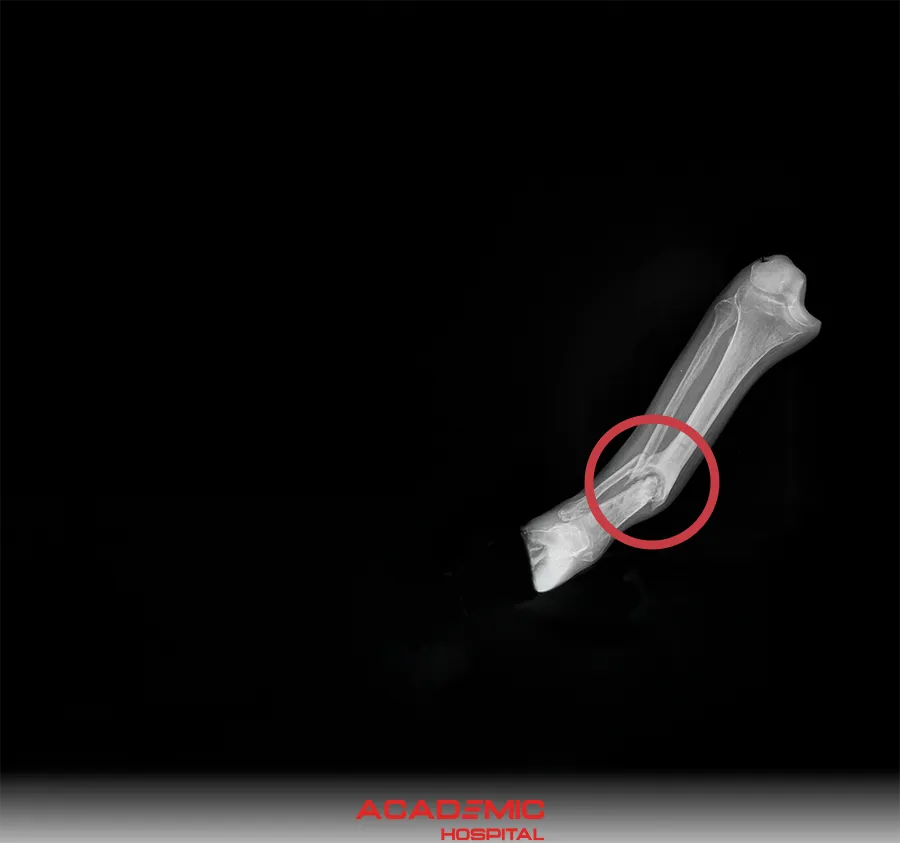
What Is Fracture Nonunion? Causes, Symptoms and Treatment Methods
Contents
What Is Fracture Nonunion?
The main goal in fracture treatment is for the bone to heal properly. In some cases, however, the expected healing does not occur and the broken bone ends do not unite. This condition is called fracture nonunion.
Nonunion may occur due to several factors that affect the fracture healing process. It is a serious orthopedic problem that may cause pain and loss of function.
What Causes Fracture Nonunion?
Common causes include inadequate fixation, reduced blood supply to the fracture site, infection, smoking and metabolic diseases.
Certain fracture types, such as scaphoid or tibia fractures, may be more difficult to heal because of their structure and blood supply. Advanced age, nutritional deficiencies, diabetes, vitamin D deficiency, circulation problems and inappropriate treatment methods may also interfere with the natural healing process and contribute to nonunion.
You can contact us for evaluation if your fracture has not healed as expected and pain or functional loss continues.
Book an AppointmentHow Can You Tell If a Bone Is Not Healing?
Healing signs may be absent at the fracture site or progress very slowly.
If pain, limited movement, swelling, inability to bear weight, inability to move without support or loss of function continues weeks or months after the fracture, nonunion may be suspected.
If your fracture has not healed for a long time and pain continues, the possibility of nonunion should be considered and an orthopedic specialist should be consulted.
How Is Fracture Nonunion Diagnosed?
Diagnosis is usually based on physical examination, X-rays and, when necessary, CT or MRI. A visible gap between bone ends, inadequate healing tissue or a persistent fracture line on X-rays may provide important diagnostic clues.
In some patients, blood tests may be requested to investigate underlying causes such as infection, metabolic disease or nutritional deficiencies. The treatment plan is made according to fracture location, implants used, blood supply to the bone, infection status and the patient’s general health.
How Is Fracture Nonunion Treated?
Treatment is planned according to fracture location, stability of the fracture ends, presence of infection, general health status and underlying causes.
- Surgical intervention: The fracture ends are repositioned and stabilized. Plates, screws, nails or external fixators may be used.
- Bone grafting: Bone tissue taken from another part of the body or other suitable graft materials may be used to support healing.
- Biological supports: Special medications, growth factors or biological approaches that support bone healing may be considered in selected patients.
- Magnetic or ultrasonic stimulation devices: Noninvasive bone stimulation may be considered as an adjunctive treatment option in some patients.
- Correction of risk factors: Stopping smoking, controlling diabetes, treating infection and correcting nutritional deficiencies are important for treatment success.
If your fracture has not healed within the expected time, it is important to consult an orthopedics and traumatology specialist.
Get Evaluated If Fracture Healing Takes Longer Than Expected
Persistent pain, swelling, limited movement or inability to bear weight may require examination and imaging for possible nonunion.
Frequently Asked Questions
References
- American Academy of Orthopaedic Surgeons. Nonunions
- Cleveland Clinic. Malunion & Nonunion Fractures
- NCBI Bookshelf. Bone Nonunion
- NCBI Bookshelf. Tibia Nonunion