
 WhatsApp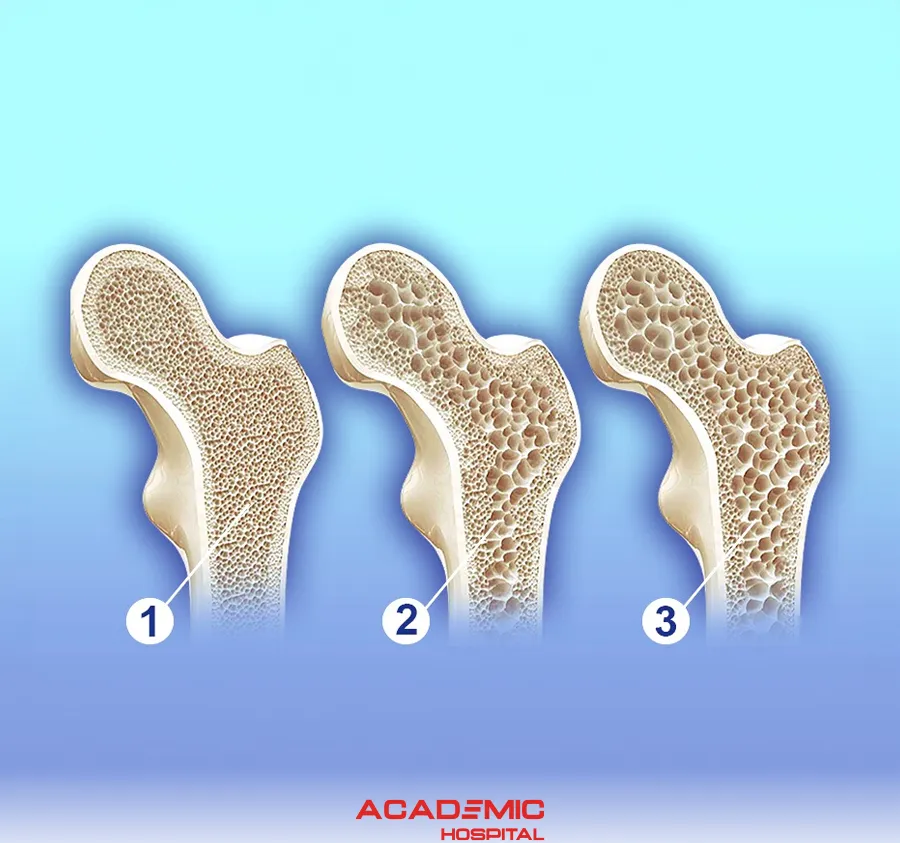
What Is Osteoporosis? Symptoms, Diagnosis and Treatment
Contents
- What Is Osteoporosis?
- What Does “Bone Loss” Mean?
- Who Is More Likely to Develop Osteoporosis?
- What Are the Risk Factors?
- What Are the Symptoms?
- What Is a Fragility Fracture?
- Why Does Risk Increase With Age?
- Who Should Be Screened for Osteoporosis?
- How Is Osteoporosis Diagnosed?
- What Are DXA and T-Scores?
- What Is FRAX Fracture Risk?
- Are Secondary Causes Investigated?
- How Is Osteoporosis Treated?
- Are Calcium and Vitamin D Necessary?
- Which Exercises Are Recommended?
- Which Medicines Are Used?
- How Can Falls and Fractures Be Prevented?
- When Should You See a Doctor?
- Frequently Asked Questions
Osteoporosis is a systemic skeletal condition in which reduced bone strength makes bones more fragile and increases the risk of fracture.
Bone mineral density may decrease and the microscopic architecture of bone may deteriorate. As a result, fractures can occur after relatively minor trauma that would not normally break healthy bone.
Osteoporosis often progresses without noticeable symptoms. Some people are only diagnosed after sustaining a vertebral, hip, wrist or other fragility fracture.
What Is Osteoporosis?
Bone is living tissue that is continually broken down and rebuilt throughout life.
In osteoporosis, the balance between bone formation and bone resorption shifts towards bone loss. Bone mineral density decreases and the internal structure of bone can become weaker.
The main clinical importance of osteoporosis is therefore not simply having a low bone-density measurement but having an increased risk of fracture.
What Does “Bone Loss” Mean?
The term “bone loss” does not mean that bone literally melts or disappears.
Osteoporosis can involve:
- Reduced bone mineral density
- Thinning and loss of connections within trabecular bone
- Thinning of cortical bone
- Reduced mechanical strength
These changes make bones more susceptible to fracture.
Who Is More Likely to Develop Osteoporosis?
The risk of osteoporosis increases with age. In women, the decline in oestrogen after menopause can accelerate bone loss.
However, osteoporosis also affects men, and osteoporotic fractures in men can have serious consequences.
Risk may be increased in:
- Postmenopausal women
- Older women and men
- People with a previous low-trauma fracture
- People with a parental history of hip fracture
- People with low body weight
- People using long-term glucocorticoid therapy
- People with certain endocrine, rheumatological, gastrointestinal or haematological disorders
What Are the Risk Factors for Osteoporosis?
Non-Modifiable Factors
- Increasing age
- Female sex
- Menopause
- Family history of osteoporosis or hip fracture
- Previous fragility fracture
Modifiable or Treatable Factors
- Smoking
- Physical inactivity
- Low body weight or poor nutrition
- Inadequate calcium intake
- Vitamin D deficiency
- Excessive alcohol intake
- Frequent falls
Medical Causes of Secondary Osteoporosis
Conditions associated with secondary osteoporosis may include:
- Hyperthyroidism
- Hyperparathyroidism
- Cushing syndrome
- Hypogonadism
- Diabetes
- Rheumatoid arthritis
- Coeliac disease and other malabsorption disorders
- Certain kidney, liver and haematological diseases
Long-term systemic glucocorticoid therapy is also an important medication-related risk factor.
What Are the Symptoms of Osteoporosis?
Osteoporosis often causes no symptoms until a fracture occurs.
Vertebral fractures may cause:
- New back pain
- Loss of height
- Forward curvature of the spine
- Changes in posture
Some vertebral fractures cause little or no acute pain and may only be discovered later.
Generalised bone or muscle pain should not automatically be attributed to osteoporosis because many other conditions can cause these symptoms.
What Is a Fragility Fracture?
A fragility fracture is a fracture resulting from trauma that would not usually be expected to fracture healthy bone.
A typical example is a fracture after falling from standing height or less.
Common important sites include:
- Spine
- Hip
- Wrist or forearm
- Upper arm
Hip fractures in particular can lead to reduced mobility, loss of independence and an increased risk of death.
A low-trauma fracture after the age of 50 should prompt assessment for osteoporosis and other metabolic bone disorders.
Why Does Osteoporosis Risk Increase With Age?
Bone remodelling changes with age and bone loss can gradually exceed bone formation.
Other age-related factors include:
- Reduced oestrogen after menopause
- Hormonal changes in older men
- Loss of muscle mass and strength
- Reduced physical activity
- Greater risk of vitamin D deficiency
- Balance and visual problems
- Higher fall risk
- Use of multiple medicines
This is why fracture prevention requires attention to both bone strength and fall risk.
Who Should Be Screened for Osteoporosis?
Screening recommendations vary somewhat between countries and professional organisations.
Türkiye's Endocrinology and Metabolism Society recommends bone-density assessment generally for:
- Women aged 65 years and older
- Men aged 70 years and older
- Younger adults with important osteoporosis or fracture risk factors
The 2025 U.S. Preventive Services Task Force recommends screening women aged 65 years and older and postmenopausal women younger than 65 who are found to be at increased fracture risk after clinical risk assessment.
For asymptomatic men in the general population, the USPSTF currently considers the evidence insufficient to determine the overall balance of benefits and harms of routine screening. Individual risk and other professional guidelines should therefore be considered.
How Is Osteoporosis Diagnosed?
Diagnosis and fracture-risk assessment may include:
- Fracture history
- Fall history
- Medication review
- Menopausal and hormonal status
- Family history
- Height and body weight
- DXA bone mineral density
- Vertebral imaging when indicated
- Laboratory investigation for secondary causes when appropriate
Plain radiographs, CT or MRI performed for other reasons may reveal vertebral fractures or suggest low bone density, but central DXA remains the standard clinical method for measuring bone mineral density.
What Are DXA and T-Scores?
Dual-energy X-ray absorptiometry (DXA) is the most widely used method for measuring bone mineral density.
Measurements are usually obtained from the lumbar spine and hip.
In postmenopausal women and men aged 50 years and older, T-scores are commonly interpreted as follows:
| T-Score | General Classification |
|---|---|
| -1.0 or above | Normal bone mineral density |
| Between -1.0 and -2.5 | Low bone mass / osteopenia |
| -2.5 or below | Consistent with osteoporosis |
T-scores alone do not completely determine fracture risk.
In premenopausal women, younger men and younger adults, interpretation differs and Z-scores and clinical context are generally more relevant.
What Is FRAX Fracture Risk?
FRAX is a clinical risk-assessment tool that estimates a person's 10-year probability of fracture using clinical risk factors, with or without femoral-neck bone mineral density.
Factors can include:
- Age
- Sex
- Height and weight
- Previous fracture
- Parental hip fracture
- Smoking
- Glucocorticoid use
- Rheumatoid arthritis
- Secondary osteoporosis
- Alcohol intake
FRAX does not diagnose osteoporosis by itself. Treatment thresholds differ between countries and should be interpreted in clinical context.
Are Secondary Causes of Osteoporosis Investigated?
Yes. Investigation is particularly important in younger patients, men, patients with unexpectedly severe bone loss and people with fragility fractures.
Depending on the clinical situation, testing may include:
- Calcium and phosphate
- Vitamin D
- Kidney and liver function
- Thyroid function
- Parathyroid hormone
- Full blood count
- Testing for coeliac disease or hormonal disorders when indicated
The investigation should be individualised rather than applying the same laboratory panel to every patient.
How Is Osteoporosis Treated?
The primary aim of osteoporosis treatment is to prevent fractures.
A comprehensive plan may include:
- Treating secondary causes
- Adequate nutrition
- Adequate calcium and vitamin D intake
- Weight-bearing and resistance exercise
- Stopping smoking
- Avoiding excessive alcohol intake
- Reducing fall risk
- Osteoporosis medication when fracture risk is sufficiently high
Medication decisions are based on the overall fracture risk rather than the T-score alone.
Are Calcium and Vitamin D Necessary?
Calcium and vitamin D are important for bone health, but high-dose supplements should not automatically be given to everyone.
Calcium requirements should preferably be met through diet when possible. Supplements may be considered if dietary intake is insufficient.
Vitamin D deficiency should be assessed and treated appropriately according to the individual's level, medical conditions and clinical circumstances.
Which Exercises Are Recommended for Osteoporosis?
Exercise can support bone health while also improving muscle strength, balance and coordination.
A programme may include:
- Weight-bearing activity: Walking, stair climbing and other appropriate activities against gravity
- Resistance exercise: Appropriate strength training
- Balance training: Exercises designed to reduce falls
- Posture and back-strengthening exercises
People with severe osteoporosis or previous vertebral fractures should not begin uncontrolled heavy lifting or repeated forceful spinal flexion and twisting exercises. Exercise may need to be individualised by a rehabilitation professional.
Which Medicines Are Used to Treat Osteoporosis?
Bisphosphonates
Bisphosphonates such as alendronate, risedronate and zoledronic acid are commonly used and are often considered first-line treatments for appropriate patients.
After several years of treatment, fracture risk can be reassessed. A temporary bisphosphonate treatment break may be appropriate for selected patients who are no longer at high risk.
This concept does not apply to every osteoporosis medicine.
Denosumab
Denosumab is an antiresorptive treatment administered by injection.
Doses should be given on schedule. Delaying or stopping denosumab without arranging an appropriate alternative antiresorptive treatment can result in rapid bone loss and an increased risk of vertebral fractures.
Denosumab requires particular caution in advanced chronic kidney disease. The FDA has issued a Boxed Warning about severe hypocalcaemia in patients with advanced chronic kidney disease, particularly those receiving dialysis.
Bone-Forming Treatments
For selected people at very high risk of fracture, anabolic or bone-forming treatments such as parathyroid hormone analogues or romosozumab may be considered.
These therapies are generally used for a defined period and are commonly followed by an antiresorptive treatment to maintain the bone-density gains achieved.
The appropriate medicine depends on fracture risk, kidney function, cardiovascular history, previous osteoporosis therapy and other medical conditions.
How Can Falls and Fractures Be Prevented?
Many osteoporotic fractures occur after a fall.
Helpful measures may include:
- Removing loose rugs and trip hazards
- Improving lighting
- Using non-slip surfaces and grab rails in bathrooms
- Using supportive footwear
- Correcting visual problems
- Improving muscle strength and balance
- Reviewing medicines that may increase dizziness or fall risk
- Using walking aids when needed
When Should You See a Doctor About Osteoporosis?
Assessment should be considered if you:
- Have sustained a low-trauma fracture
- Have lost significant height
- Have developed new spinal curvature
- Have important osteoporosis risk factors after menopause
- Use long-term glucocorticoids
- Experienced early menopause
- Have male hypogonadism
- Have coeliac disease, rheumatoid arthritis or another condition associated with secondary osteoporosis
- Have previously been diagnosed with osteopenia or osteoporosis
If you have sustained a low-trauma fracture or have significant osteoporosis risk factors, consider an assessment of your bone density and fracture risk.
Book an AppointmentAssess Your Bone Health and Fracture Risk
DXA measurement, previous fractures, clinical risk factors and laboratory testing when indicated can be assessed together to create an individual prevention and treatment plan.
Frequently Asked Questions
References
- Academic Hospital. Osteoporoz Nedir? Tanı ve Tedavi Yöntemleri Nelerdir?
- Türkiye Endokrinoloji ve Metabolizma Derneği. Osteoporosis (Bone Loss)
- U.S. Preventive Services Task Force. Osteoporosis to Prevent Fractures: Screening – 2025
- Bone Health and Osteoporosis Foundation. The Clinician's Guide to Prevention and Treatment of Osteoporosis
- Endocrine Society. Pharmacological Management of Osteoporosis in Postmenopausal Women
- U.S. Food and Drug Administration. Denosumab and Severe Hypocalcaemia in Advanced Chronic Kidney Disease