
 WhatsApp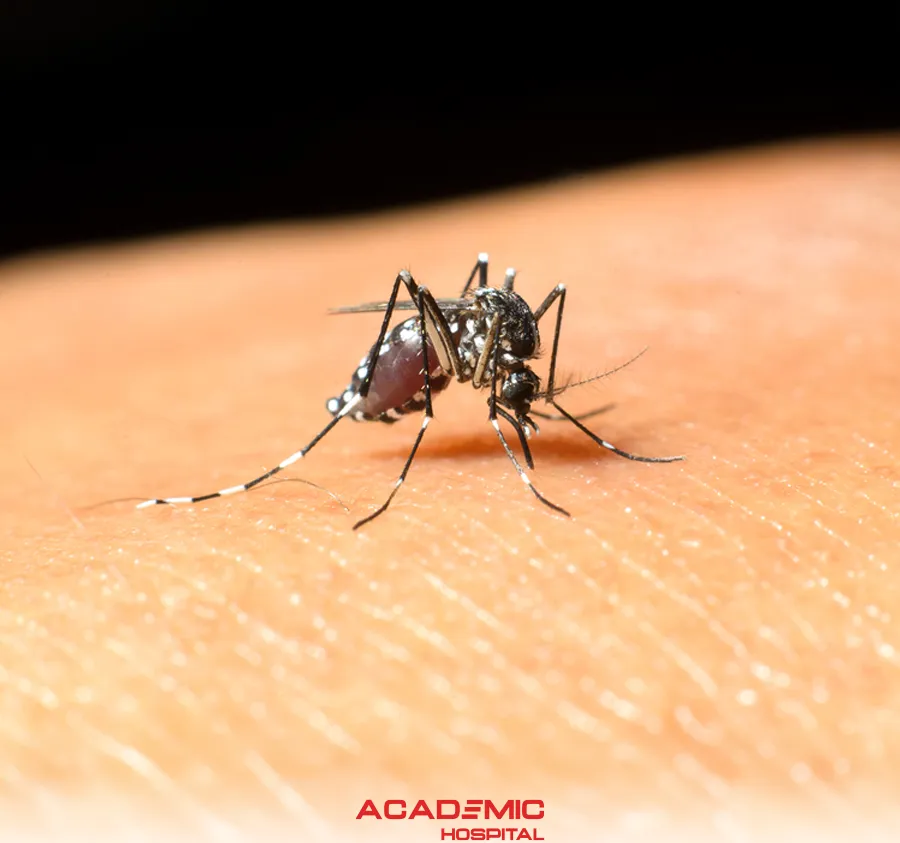
What Is West Nile Virus? Symptoms, Transmission and Treatment
Contents
- What Is West Nile Virus?
- How Is West Nile Virus Transmitted?
- What Is the Incubation Period?
- What Are the Symptoms?
- What Is Neuroinvasive West Nile Disease?
- Who Is at Higher Risk?
- How Is West Nile Virus Diagnosed?
- Is There a West Nile Virus Vaccine?
- How Is It Treated?
- How Can West Nile Virus Be Prevented?
- When Should You Seek Medical Care?
- Frequently Asked Questions
What Is West Nile Virus?
West Nile virus (WNV) is a mosquito-borne virus in the Flaviviridae family. Its natural transmission cycle mainly occurs between birds and mosquitoes.
Humans and horses can become infected after being bitten by infected mosquitoes, but they generally do not play a major role in maintaining the natural transmission cycle.
The virus was first identified in Uganda in 1937 and is now found in multiple regions of the world, including Europe.
How Is West Nile Virus Transmitted?
The most common route is the bite of an infected mosquito.
Mosquitoes acquire the virus from infected birds and can subsequently transmit it to humans and other mammals.
Rare transmission routes include:
- Blood transfusion
- Organ transplantation
- Mother-to-child transmission during pregnancy
- Rare transmission associated with breastfeeding
- Laboratory exposure
West Nile virus is not spread through ordinary person-to-person contact.
What Is the Incubation Period?
The incubation period is typically 2–14 days after infection. It may be longer in immunocompromised patients.
What Are the Symptoms of West Nile Virus?
Most infected people have no symptoms.
When symptoms develop, they may include:
- Fever
- Headache
- Fatigue
- Muscle aches
- Joint pain
- Nausea or vomiting
- Diarrhoea
- Skin rash
Most people with mild disease recover fully, although fatigue and weakness may persist for weeks or longer.
What Is Neuroinvasive West Nile Disease?
Fewer than 1% of infected people develop disease affecting the central nervous system.
This can include:
- Meningitis
- Encephalitis
- Acute flaccid myelitis with weakness or paralysis
Symptoms can include high fever, severe headache, neck stiffness, confusion, disorientation, tremor, muscle weakness, seizures or paralysis.
High fever with neck stiffness, confusion, marked muscle weakness, tremor, seizures or new paralysis requires urgent medical assessment.
Who Is at Higher Risk of Severe West Nile Disease?
Anyone exposed to infected mosquitoes can become infected.
The risk of severe neuroinvasive disease increases particularly with:
- Older age
- Immunocompromising conditions
- Organ transplantation
- Certain chronic medical conditions
Risk generally increases with age rather than beginning at one absolute age threshold.
How Is West Nile Virus Diagnosed?
Diagnosis is based on clinical findings together with exposure history and laboratory testing.
Laboratory diagnosis commonly uses detection of West Nile virus-specific IgM antibodies in serum or cerebrospinal fluid.
Some positive antibody results may require confirmation with neutralising antibody testing.
Molecular testing such as RT-PCR may be considered in selected patients, particularly those who are immunocompromised.
Is There a West Nile Virus Vaccine?
As of 2026, there is no licensed West Nile virus vaccine for humans.
Vaccines exist for horses, but they are not licensed for human use.
How Is West Nile Virus Treated?
There is currently no specific antiviral medicine with proven clinical benefit for West Nile virus disease.
Treatment is supportive.
Mild illness may be managed with rest, hydration and appropriate treatment of fever or pain.
Patients with neurological disease may require hospitalisation, intravenous fluids, respiratory support, seizure management and intensive-care monitoring when necessary.
How Can West Nile Virus Be Prevented?
Because there is no licensed human vaccine, prevention focuses mainly on reducing mosquito bites.
- Use an appropriate mosquito repellent.
- Wear long sleeves and trousers where mosquito exposure is high.
- Use window and door screens.
- Remove standing water around homes and gardens.
- Regularly empty containers in which mosquitoes can breed.
- Take additional precautions during periods of high mosquito activity.
When Should You Seek Medical Care?
Medical assessment may be appropriate when fever, headache or systemic illness develops after significant mosquito exposure, particularly in an area where West Nile virus is circulating.
Urgent assessment is warranted for high fever, severe headache, neck stiffness, confusion, muscle weakness, tremor, seizures or paralysis.
Have Your Symptoms Assessed
If fever, headache or neurological symptoms develop after mosquito exposure, clinical assessment and appropriate laboratory testing can be planned.
Frequently Asked Questions
References
- Academic Hospital. West Nile Virus
- Centers for Disease Control and Prevention. About West Nile Virus
- Centers for Disease Control and Prevention. Symptoms of West Nile Virus Disease
- Centers for Disease Control and Prevention. Clinical Testing and Diagnosis
- Centers for Disease Control and Prevention. Clinical Treatment and Prevention
- European Centre for Disease Prevention and Control. Factsheet About West Nile Virus Infection