
 WhatsApp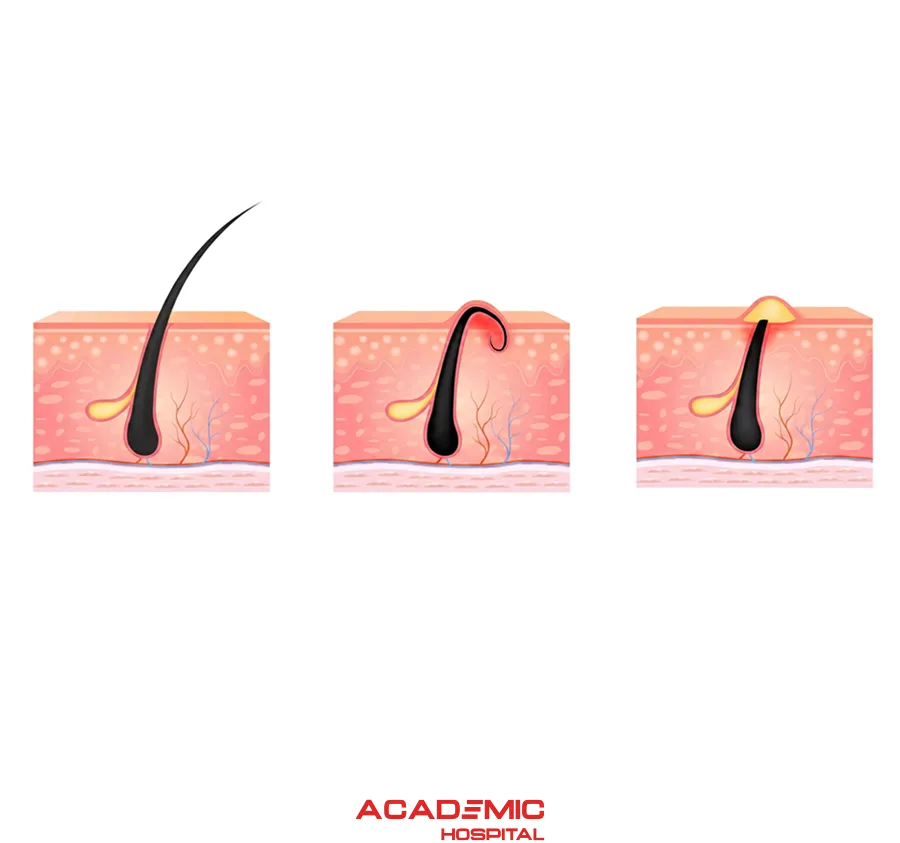
What Is Pilonidal Sinus Disease? Symptoms, Causes and Treatment
Contents
- What Is Pilonidal Sinus Disease?
- What Are the Symptoms?
- What Causes Pilonidal Disease?
- What Are the Risk Factors?
- Is There a Genetic Predisposition?
- How Is It Diagnosed?
- What Is a Pilonidal Abscess?
- How Is Pilonidal Disease Treated?
- Minimally Invasive Treatments
- Phenol, Laser and Endoscopic Treatment
- Surgical Treatment
- What Is Off-Midline Closure?
- Can Antibiotics Cure Pilonidal Disease?
- Can Pilonidal Disease Recur?
- Can Pilonidal Disease Be Prevented?
- When Should You Seek Medical Care?
- Frequently Asked Questions
What Is Pilonidal Sinus Disease?
Pilonidal sinus disease is a chronic inflammatory condition that usually develops in the upper part of the natal cleft near the tailbone.
One or more small pits may be visible in the skin. Beneath these openings, sinus tracts containing hair, skin debris and inflammatory tissue can develop.
The condition is particularly common in young adults and occurs more frequently in men.
Pilonidal disease is generally considered an acquired disorder in which loose hairs penetrate the skin and contribute to a foreign-body reaction and chronic inflammation.
What Are the Symptoms?
Pilonidal disease may cause no symptoms and present only as small pits, or it may produce chronic drainage or an acute abscess.
- One or more small pits near the tailbone
- Pain or tenderness
- Swelling
- Redness
- Purulent or bloody drainage
- Recurrent unpleasant-smelling discharge
- Severe pain when an abscess develops
What Causes Pilonidal Disease?
A widely accepted mechanism involves loose hairs collecting in the natal cleft and being driven into the skin by friction, pressure and movement.
Hair penetrating the skin can trigger a foreign-body reaction. Sinus tracts can subsequently develop and may become infected.
The condition is therefore not simply caused by a hair growing backwards from its own follicle.
What Are the Risk Factors?
Pilonidal disease is seen particularly in young adults and is more common in men.
Associated factors can include male sex, younger age, family history, a deep natal cleft, increased body hair, local friction and pressure, prolonged sitting, excess weight and smoking.
Having one or more of these factors does not mean that pilonidal disease will inevitably develop.
Is There a Genetic Predisposition?
Family history is recognised as a predisposing factor.
Pilonidal disease may be more common among people with an affected family member, but it is not explained by a single inherited gene.
Anatomical, hair-related and environmental factors are also important.
How Is Pilonidal Disease Diagnosed?
Diagnosis is usually based on clinical examination.
Characteristic midline pits, sinus openings, drainage or an abscess in the natal cleft support the diagnosis.
Routine blood tests, ultrasound, CT or MRI are generally unnecessary.
Additional assessment may be required when the disease is close to the anus or when an anal fistula, hidradenitis suppurativa or another anorectal disorder is suspected.
What Is a Pilonidal Abscess?
An acute pilonidal abscess develops when infection leads to a collection of pus beneath the skin.
Rapidly increasing pain, swelling, redness, warmth and purulent drainage may occur.
The main treatment for an acute pilonidal abscess is incision and drainage.
How Is Pilonidal Disease Treated?
Treatment is individualised according to whether symptoms are present, whether there is an acute abscess, the number and extent of sinus tracts, previous treatment and recurrence.
Prophylactic intervention is generally not recommended for asymptomatic pilonidal disease.
Symptomatic disease can be managed with approaches ranging from minimally invasive procedures to more extensive surgery.
What Minimally Invasive Treatments Are Available?
Limited uncomplicated disease may be suitable for smaller procedures.
Options can include:
- Pit-picking
- Cleaning of sinus tracts
- Phenol treatment
- Fibrin glue
- Endoscopic pilonidal sinus treatment (EPSiT)
- Laser-based sinus treatment in selected centres
Potential advantages include smaller wounds, shorter recovery and earlier return to normal activity.
However, these techniques are not appropriate for every disease pattern and evidence for some methods remains limited.
Are Phenol, Laser and Endoscopic Treatments Used?
Yes. Current European guidance allows phenol, endoscopic treatment and laser-based techniques to be considered in selected patients.
No single minimally invasive treatment is considered universally superior for all patients.
The extent of disease, previous treatment and surgical expertise should be considered.
During EPSiT, a small endoscope can be used to inspect the sinus tract, remove hair and inflammatory debris and treat the tract from within.
How Is Surgical Treatment Performed?
More extensive, complicated or recurrent disease may require excisional surgery.
After removal of affected tissue, the wound may be:
- Left open to heal by secondary intention
- Marsupialised
- Closed away from the midline
- Reconstructed using an off-midline flap in selected cases
The appropriate operation depends on the individual disease pattern.
What Is Off-Midline Closure?
When a wound is closed after excision, current European guidance prefers an off-midline closure.
This means positioning the surgical wound away from the deepest central portion of the natal cleft.
Flap procedures such as Karydakis or Limberg techniques can be used in selected patients to move the scar away from the midline and flatten the natal cleft.
Can Antibiotics Cure Pilonidal Disease?
No. Antibiotics do not remove pilonidal sinus tracts and are not a definitive treatment.
They may be considered when there is surrounding infection or another clinical indication.
When an acute abscess is present, appropriate drainage should not be delayed in favour of antibiotic treatment alone.
Can Pilonidal Disease Recur?
Yes. Pilonidal disease can recur following treatment.
Recurrence risk varies with the extent of disease, treatment technique, previous surgery, wound healing and individual anatomical factors.
For this reason, a single universal success rate cannot accurately describe all pilonidal treatments.
Can Pilonidal Disease Be Prevented?
There is no method that guarantees prevention.
Keeping the natal cleft clean, removing loose hairs and showering after haircuts may help reduce hair accumulation in the cleft.
Reducing prolonged pressure and friction, maintaining a healthy body weight and stopping smoking may also support general health and wound healing.
Routine shaving has not been proven to prevent pilonidal disease or recurrence in every patient.
Current European guidance does not consider routine preoperative or postoperative hair removal mandatory for reducing recurrence.
When Should You Seek Medical Care?
- Rapidly increasing pain or swelling near the tailbone
- Marked redness or warmth
- Pus or unpleasant-smelling discharge
- Pain severe enough to interfere with sitting or walking
- Persistent or recurrent sinus drainage
- Fever or deterioration in general condition
- New swelling or discharge after previous pilonidal treatment
There Is No Single Treatment for Every Pilonidal Sinus
Disease extent, the presence of an abscess, previous treatment and the anatomy of the sinus tracts can be evaluated to select an appropriate minimally invasive or surgical approach.
Frequently Asked Questions
References
- Academic Hospital. Pilonidal Sinus Disease
- European Society of Coloproctology. Guidelines for the Management of Pilonidal Disease
- American Society of Colon and Rectal Surgeons. Clinical Practice Guidelines for the Management of Pilonidal Disease
- German National Guideline. Management of Pilonidal Disease