
 WhatsApp
What Is the GAPS Diet? Evidence, Risks and Who Should Consider It?
Contents
- What Is the GAPS Diet?
- How Is the GAPS Diet Followed?
- What Is the Gut-Brain Axis?
- Is the GAPS Diet Evidence-Based?
- Autism, ADHD, Depression and Anxiety
- Crohn's Disease and Ulcerative Colitis
- Can It Treat Cancer?
- What Are the Risks?
- Who Should Be Particularly Cautious?
- Is GAPS a Weight-Loss Diet?
- Eating for Gut and General Health
- Frequently Asked Questions
What Is the GAPS Diet?
The GAPS (Gut and Psychology Syndrome) diet is a highly restrictive eating programme developed around the hypothesis that gut health is related to psychological and neurological symptoms.
The programme can restrict grains, refined carbohydrates and certain starchy foods while emphasising foods such as meat, eggs, selected vegetables, fermented foods and, during some stages, bone broth.
GAPS is not an established medical nutrition therapy. A dietary programme containing natural or minimally processed foods should not automatically be assumed to treat a particular disease.
How Is the GAPS Diet Followed?
The GAPS approach is generally followed as a phased and long-term elimination diet, with permitted and restricted foods changing between stages.
It can involve:
- Removing or substantially restricting grains,
- Reducing refined sugar and highly processed foods,
- Restricting certain starchy foods,
- Emphasising meat, eggs and selected vegetables,
- Using fermented foods,
- Including bone broth during some stages.
Long-term restriction of several food groups can increase the risk of inadequate energy or nutrient intake when the diet is not carefully planned.
What Is the Gut-Brain Axis?
The gut and brain communicate in both directions through the nervous system, immune signalling, hormones and the intestinal microbiome. This network is commonly described as the gut-brain axis or microbiota-gut-brain axis.
The relationship between the microbiome and the nervous system remains an active area of scientific research.
Is the GAPS Diet Evidence-Based?
There is insufficient high-quality clinical evidence demonstrating that the GAPS diet safely and effectively treats the wide range of conditions for which it has been promoted.
It is therefore not considered a standard treatment for autism, ADHD, depression, anxiety, inflammatory bowel disease or cancer.
A person may feel better after reducing highly processed foods or changing their overall dietary pattern. Such improvement does not establish the broader disease-treatment claims made for the GAPS protocol.
Can GAPS Treat Autism, ADHD, Depression or Anxiety?
The GAPS diet has been promoted for these conditions, but it is not an established treatment for them.
NICE guidance specifically recommends against using exclusion diets to manage the core features of autism in adults. In children and young people, exclusion diets such as gluten- or casein-free diets are also not recommended as treatments for the core features of autism.
A person with autism, ADHD, depression or anxiety may separately have coeliac disease, a food allergy, an intolerance or another gastrointestinal disorder requiring individual dietary management. Treating such a condition is different from using GAPS to treat the neurodevelopmental or mental health condition itself.
Can GAPS Treat Crohn's Disease or Ulcerative Colitis?
The GAPS diet is not an established treatment for Crohn's disease or ulcerative colitis.
Nutrition is important in inflammatory bowel disease, but dietary requirements differ according to whether the disease is active or in remission, nutritional status, weight loss, intestinal involvement, previous surgery and medical treatment.
Unnecessary food restriction can increase the risk of nutritional inadequacy in people who may already be vulnerable to malnutrition.
Nutrition for Crohn's disease and ulcerative colitis should therefore be individualised with the gastroenterology team and, when appropriate, a dietitian.
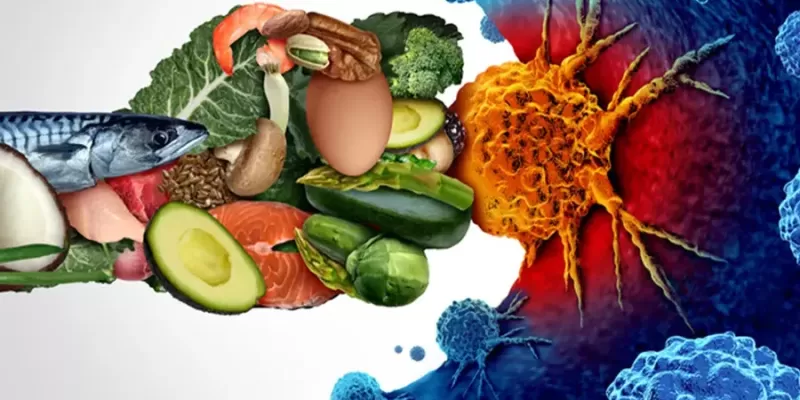
Can the GAPS Diet Treat Cancer or Leukaemia?
No. The GAPS diet should not be considered a treatment for leukaemia or other cancers.
There is no evidence that a particular special diet, food, vitamin or supplement can cure cancer or replace standard cancer treatment.
Nutritional requirements during cancer treatment can vary substantially between patients. Restrictive diets should therefore not be started during treatment without discussing them with the oncology team.
What Are the Risks of the GAPS Diet?
Potential risks of long-term restrictive diets can include:
- Insufficient energy intake,
- Unintended weight loss,
- Inadequate fibre intake,
- Insufficient intake of certain vitamins and minerals,
- Reduced dietary variety,
- Impaired growth or development in children,
- Increasingly restrictive eating behaviours.
The level of risk depends on the degree and duration of restriction and on the person's age, health conditions and nutritional status.
Who Should Be Particularly Cautious?
Restrictive diets should not be undertaken without professional assessment, particularly by:
- Children and adolescents,
- Pregnant or breastfeeding people,
- People who are underweight or at risk of malnutrition,
- People with Crohn's disease or ulcerative colitis,
- People receiving cancer treatment,
- People with multiple food allergies or intolerances,
- People with a history of eating disorders,
- People whose chronic condition requires specialised nutrition.
Is the GAPS Diet a Weight-Loss Diet?
The GAPS diet was not developed as an evidence-based weight-management programme and is not recommended solely for weight loss.
Weight may decrease if food restriction substantially reduces total energy intake, but weight loss is not automatically healthy, nutritionally adequate or sustainable.
Weight management should instead use an individualised, sustainable and balanced dietary approach that takes the person's health, current weight, activity level and goals into account.
How Should We Eat for Gut and General Health?
A healthy eating pattern does not need to follow a named restrictive diet.
The World Health Organization describes four fundamental principles of a healthy diet: adequacy, balance, moderation and diversity.
A sustainable eating pattern generally includes:
- A variety of vegetables and fruits,
- Appropriate sources of whole grains and dietary fibre,
- Balanced sources of protein such as legumes, fish and eggs,
- Limiting excessive free sugars, salt and saturated fat,
- Reducing highly processed foods,
- Avoiding unnecessary elimination of entire food groups.
Fermented foods can be part of a balanced diet for some people, but no individual food or probiotic product can be guaranteed to “correct” the microbiome or treat a disease.
Restrictive Diets Should Be Individually Assessed
There should be a valid medical or nutritional reason for removing foods from the diet. Nutritional status and the risk of deficiencies should be assessed before a long-term elimination diet is started.
Frequently Asked Questions
References
- Academic Hospital. GAPS (Gut and Psychology Syndrome) Diet
- World Health Organization. Healthy Diet
- NICE. Autism Spectrum Disorder in Adults: Diagnosis and Management
- NICE. Autism Spectrum Disorder in Under 19s: Support and Management
- ESPEN. ESPEN Guideline on Clinical Nutrition in Inflammatory Bowel Disease
- Gershon MD, Margolis KG. The Gut, Its Microbiome, and the Brain: Connections and Communications
- National Cancer Institute. Popular Diets, Supplements, and Cancer