
 WhatsApp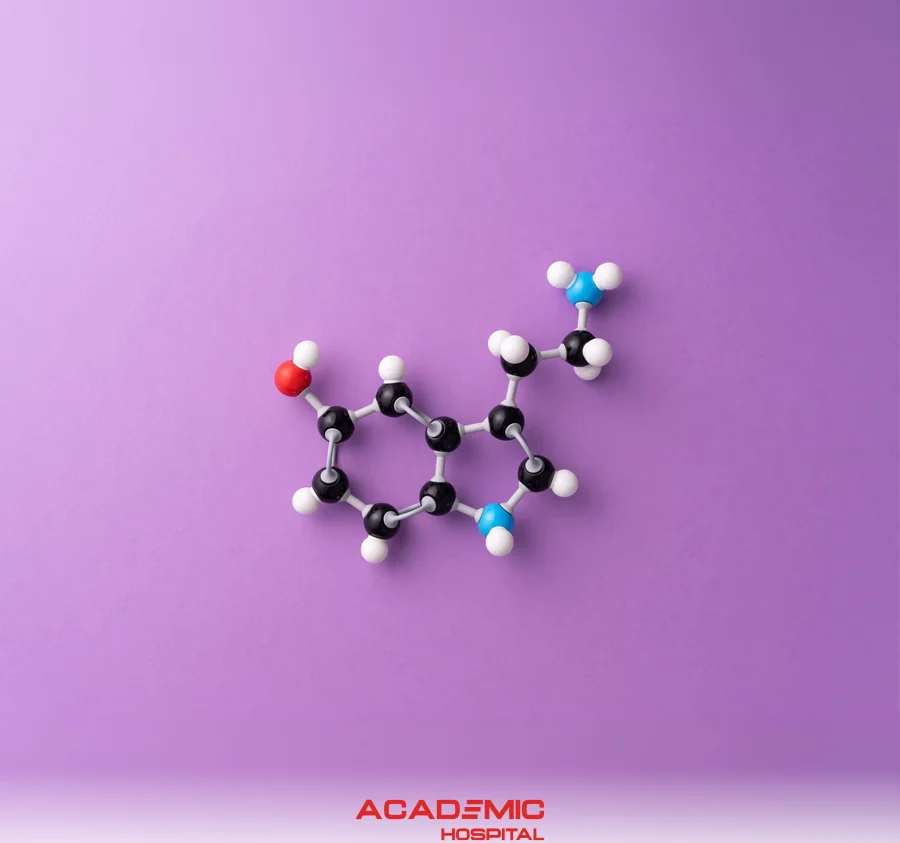
What Is Choline? What Are the Benefits of Choline?
Contents
What Is Choline?
Choline is an "essential" compound that has entered the medical literature in recent years and is vital for the body. Because its natural production in the body is insufficient, it must also be taken externally through food or supplements. Choline is the precursor of a compound called "acetylcholine", which is responsible for processes such as muscle contraction, memory, communication between cells and fat transport. Without choline, these processes cannot function properly.
In neurological disorders such as Alzheimer's disease, the enzyme activity that enables conversion to acetylcholine in the brain also decreases. Therefore, medications aimed at increasing acetylcholine levels are used during the treatment process. Because choline is a precursor of acetylcholine receptors, it is beneficial for increasing reserve capacity.
Would you like to receive specialist evaluation about choline, nutrition and neurological health?
Book an AppointmentWhat Are the Benefits of Choline?
- It improves memory and learning ability: Choline is the building block of the neurotransmitter acetylcholine in the brain. Acetylcholine is important for memory and learning ability.
- It protects liver health: Choline supports liver health by preventing fats from accumulating in the liver.
- It supports nervous system health: Choline helps protect nerve cells and enables them to communicate faster.
- It preserves cell structure: Choline plays an important role in the production of phosphatidylcholine, which is a building block of cell membranes.
- It is beneficial for cardiovascular health: Choline has a protective effect against heart diseases by lowering homocysteine levels.
- It is important during pregnancy: Choline is necessary for the development of the baby's brain and nervous system in the womb.
What Foods Are Rich in Choline?
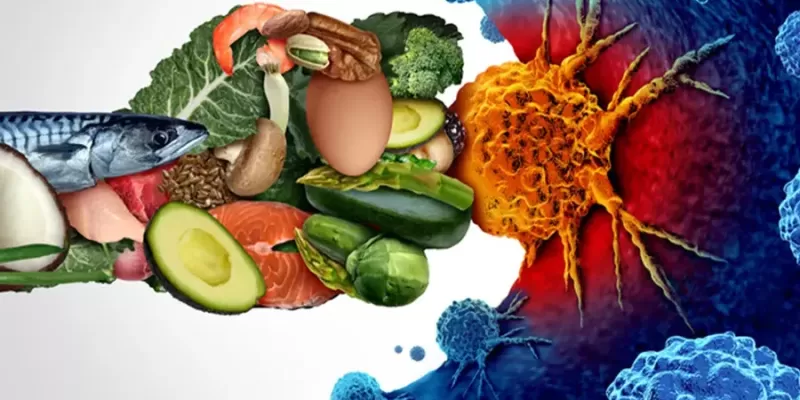
- Eggs: Eggs, especially the yolk, are among the foods with the highest choline content.
- Liver: Animal products such as beef, chicken and turkey liver contain high amounts of choline.
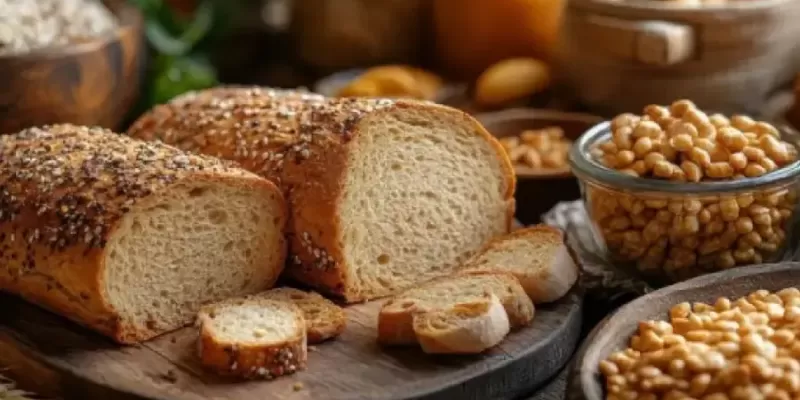
- Soybeans: Soy products and soybeans are an important plant-based source of choline.
- Dairy products: Dairy products such as milk, yogurt and cheese provide a good amount of choline.
- Meat: Meat products such as chicken, turkey and beef contain choline.
- Fish: Fatty fish such as salmon, mackerel and trout are rich in choline.
- Shellfish: Shellfish such as shrimp, oysters and mussels contain choline.
- Nuts and seeds: Nuts and seeds such as almonds, walnuts, chia seeds and flaxseeds are sources of choline.
- Vegetables: Green leafy vegetables such as broccoli, Brussels sprouts, cauliflower and spinach contain choline.
In Which Situations Can Choline Deficiency Be Seen?
- Alcohol consumption
- Not consuming enough foods containing choline
- Postmenopausal period (estrogen supports choline synthesis)
- Insufficient choline synthesis in the body
- Liver function disorder
Situations to consider:
- Do not use choline supplements in high doses or for a long period without medical advice.
- If pregnancy, breastfeeding, liver disease or regular medication use is present, seek specialist advice.
- The need for nutritional support should be evaluated individually.
Get Specialist Advice for Choline, Nutrition and Neurological Health
You can receive an evaluation from Academic Hospital specialists for your dietary pattern, supplement needs and complaints related to neurological health.
Frequently Asked Questions
References
The general information in this article about the functions of choline in the body, dietary sources, deficiency risk and supplement use is supported by the following reliable health sources.
- National Institutes of Health Office of Dietary Supplements, "Choline - Health Professional Fact Sheet", ods.od.nih.gov
- National Institutes of Health Office of Dietary Supplements, "Choline - Consumer Fact Sheet", ods.od.nih.gov
- Harvard T.H. Chan School of Public Health, "Choline", hsph.harvard.edu
- Linus Pauling Institute, Oregon State University, "Choline", lpi.oregonstate.edu