

 WhatsApp





Brain &
Nerve
Surgery
Advanced brain surgery with an experienced academic team, innovative technologies and patient-focused treatment approaches.
Plastic
& Aesthetic
Surgeon
Personalised aesthetic and reconstructive solutions with surgical expertise, advanced techniques and natural-looking results.
Orthopedics &
Traumatology
Restoring movement with advanced joint replacement surgeries, minimally invasive techniques and expert orthopedic care.
Comprehensive
Health
Check-Up
Comprehensive health check-up programs designed for early detection, preventive care and personalised health assessments.
Gynecologic
Oncology
Surgery
Combining academic expertise, advanced surgical techniques and personalised treatment strategies for women with gynecologic cancers.
Urology
Comprehensive urological care for prostate, kidney and urinary system conditions, including sexual dysfunction, with advanced diagnostics, minimally invasive surgery and personalised treatment.
 Doctors
Patient Form
Fill in the form for the support plan that suits you best.
Thank you! Our team will contact you shortly.
Contact Form Privacy Notice
Altunizade Sağlık Hizmetleri San. Tic. A.Ş.
As Altunizade Sağlık Hizmetleri San. Tic. A.Ş. ("the Company" or "our Hospital"), we process the identity (name, surname), contact (phone, e-mail) and message/request information you share with us through the contact form on our website, limited to the following purposes:
- Receiving, evaluating and responding to your request,
- Planning and following up appointment processes,
- Serving as evidence in the event of potential disputes.
This personal data is processed through automated means based on the legal grounds of Article 5/2-c (establishment or performance of a contract) and Article 5/2-ç (the data controller's legal obligation) of the Turkish Personal Data Protection Law (KVKK No. 6698), and may be transferred to authorized public institutions and judicial authorities where required to fulfil legal obligations.
To exercise your rights under Article 11 of the KVKK (right to information, correction, deletion, etc.), you may contact us at [email protected].
Popular Healthcare
Choose a treatment to meet the specialist who leads it at Academic Hospital.
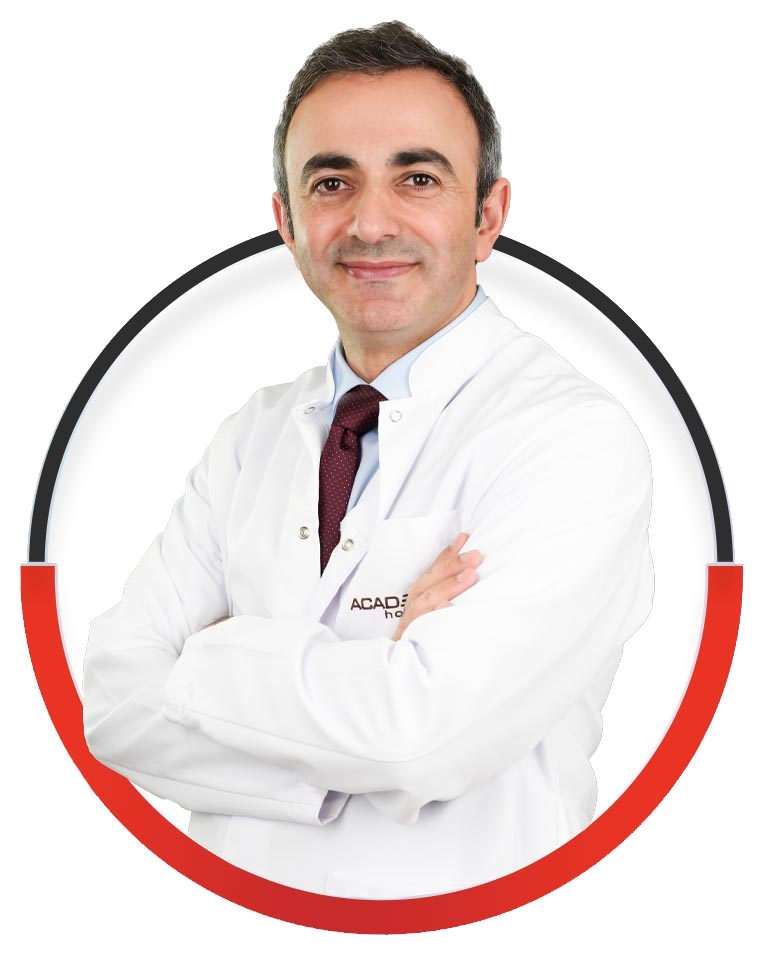
Prof. Salim Şentürk, MD
A pioneer in fully endoscopic spine surgery with 20+ years of experience. Minimally invasive treatment for lumbar and cervical hernia, scoliosis and spinal stenosis.
Patient Stories
Real experiences from our international patients.
Start Your Healthcare Journey Today
Why Choose Academic Hospital?
We combine medical excellence with international standards to deliver the best experience for our patients.
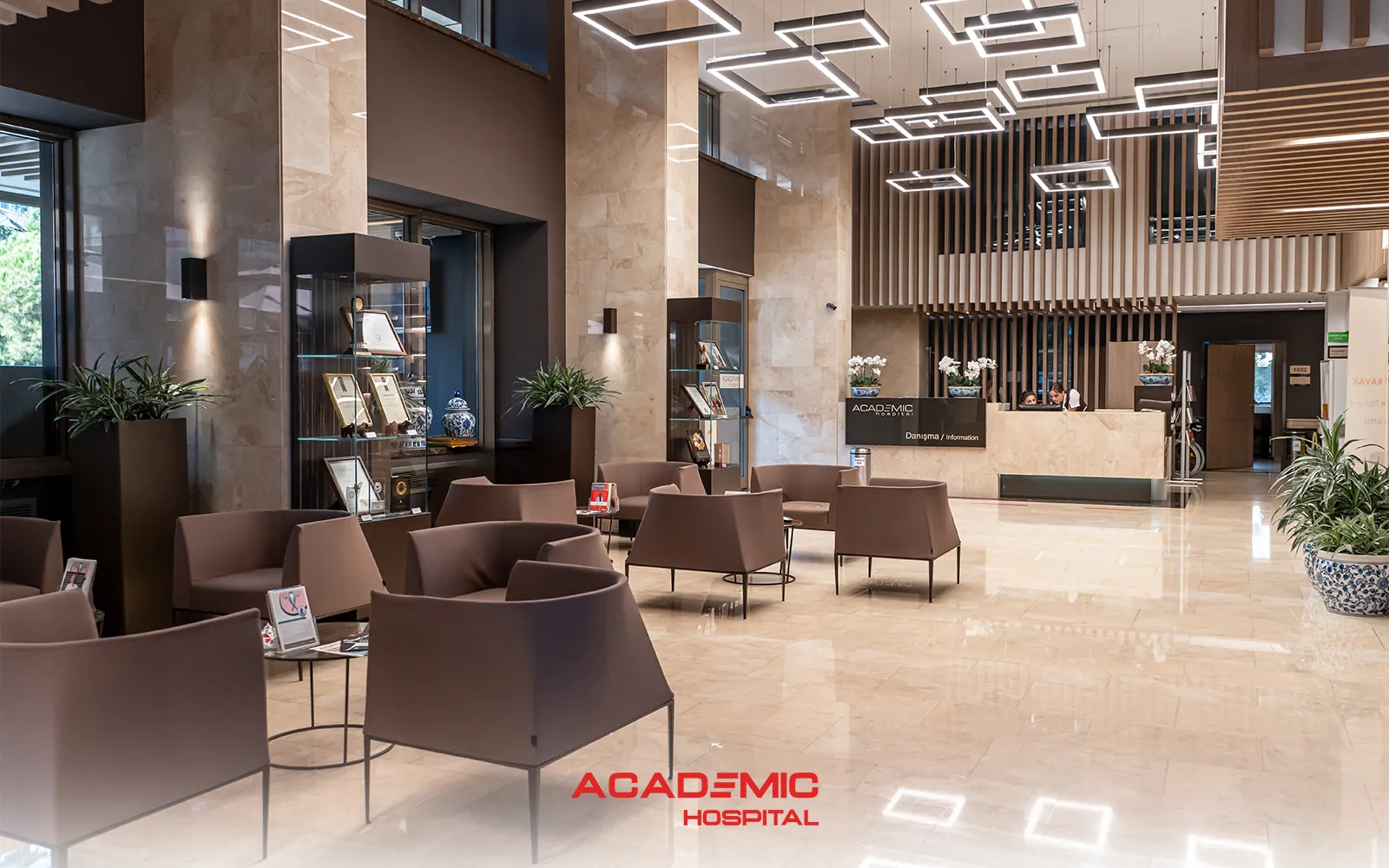
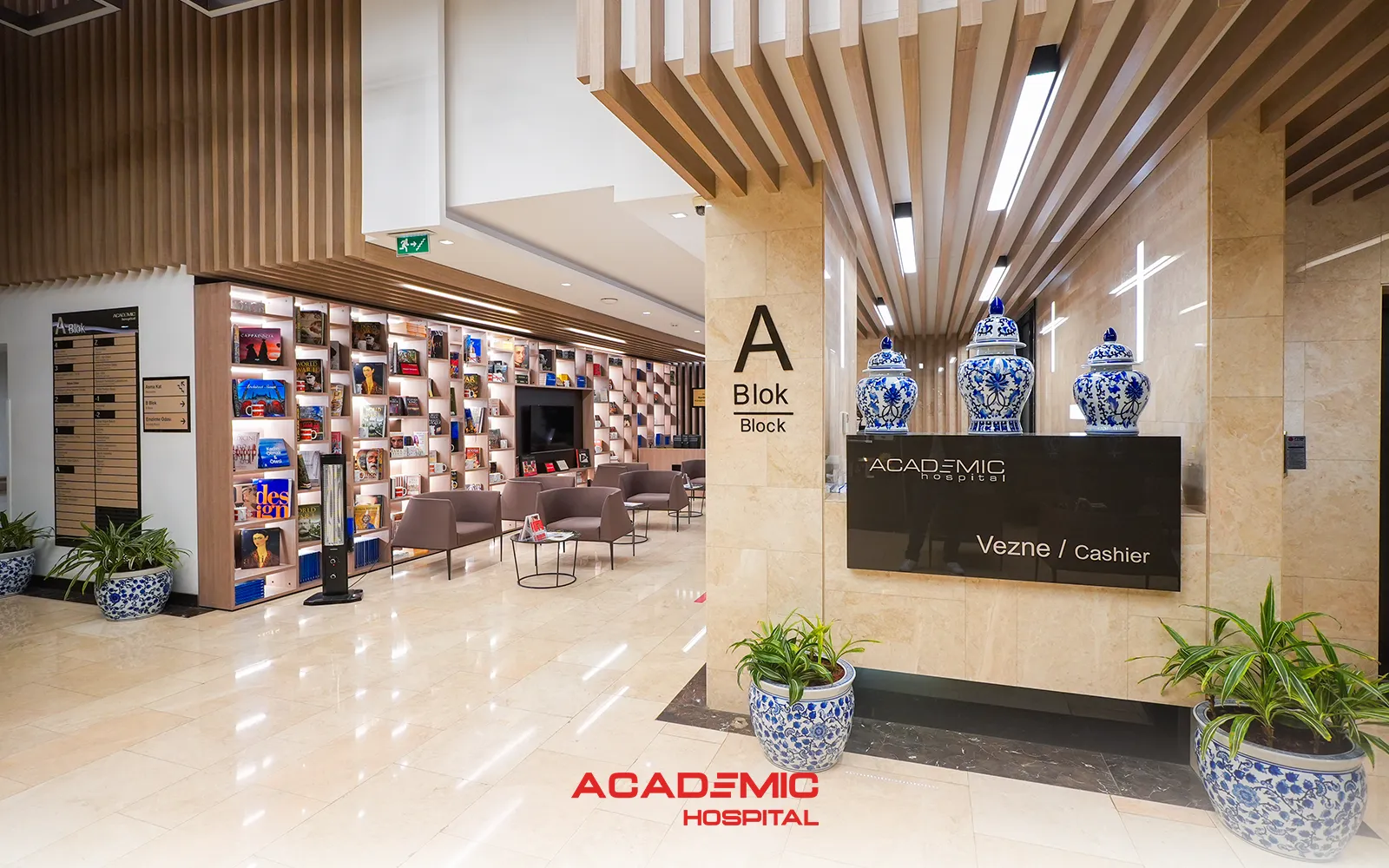
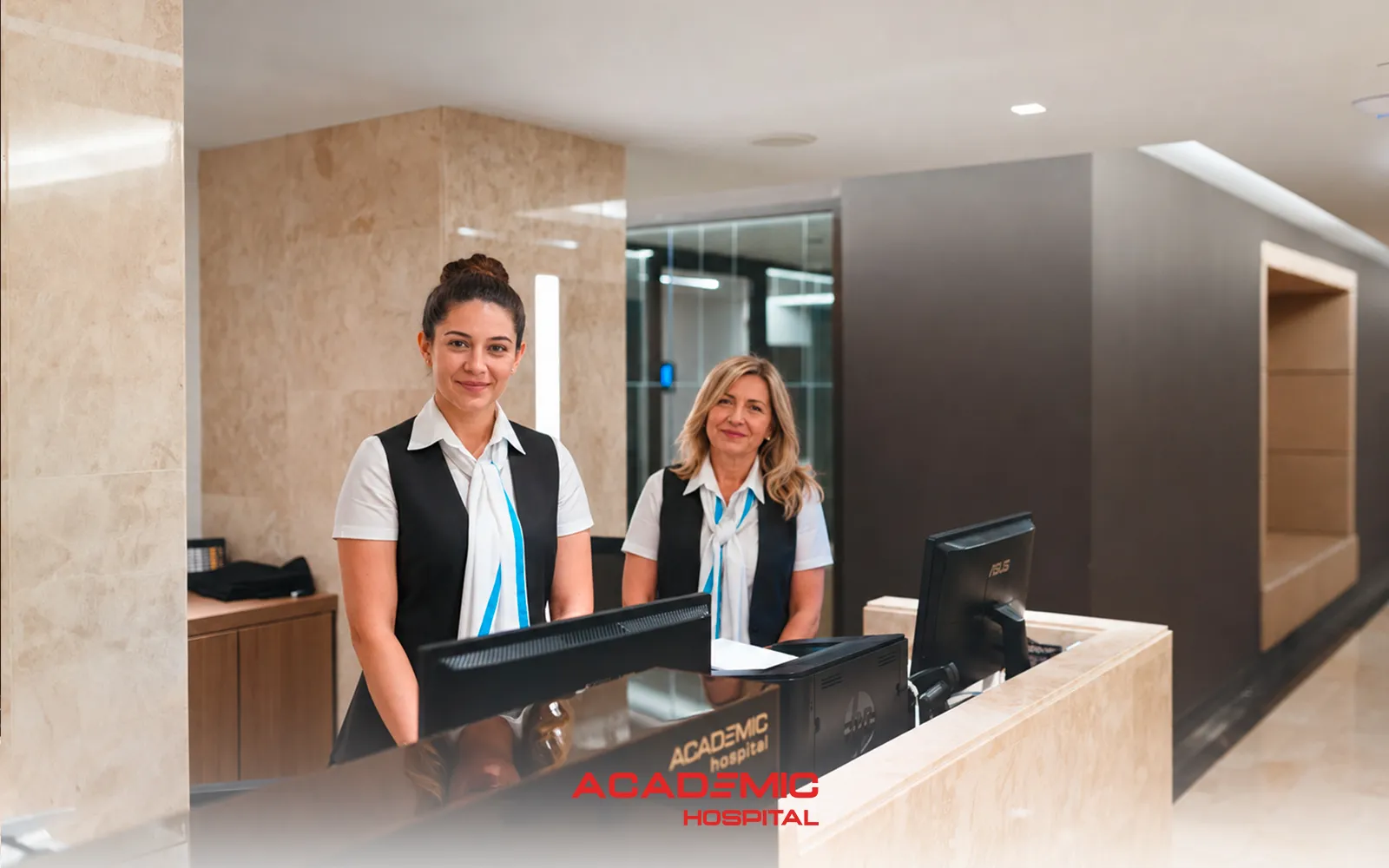
Your Comfort, Our Priority
Premium coordination for international patients, from arrival planning to online follow-up after returning home.


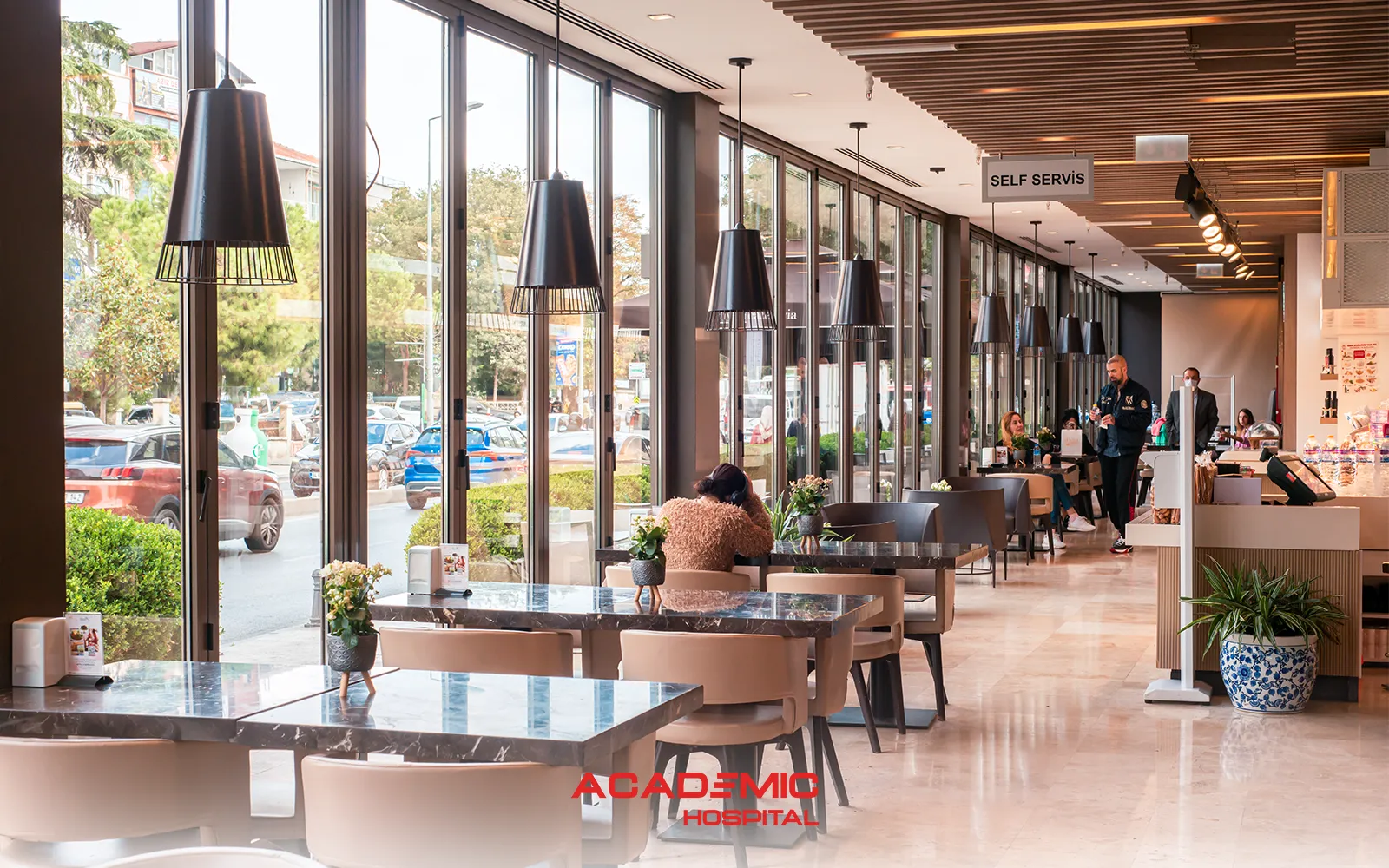
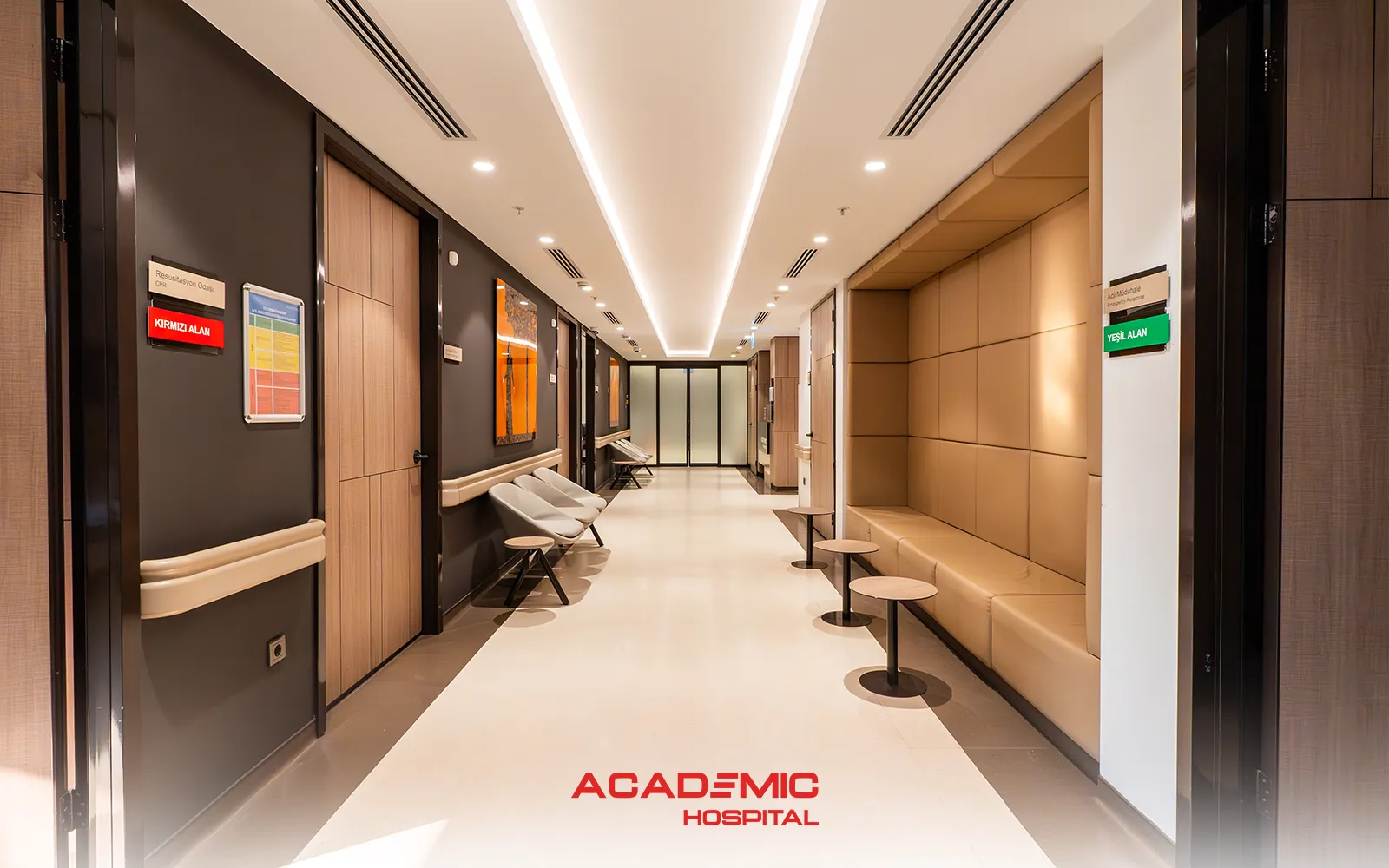
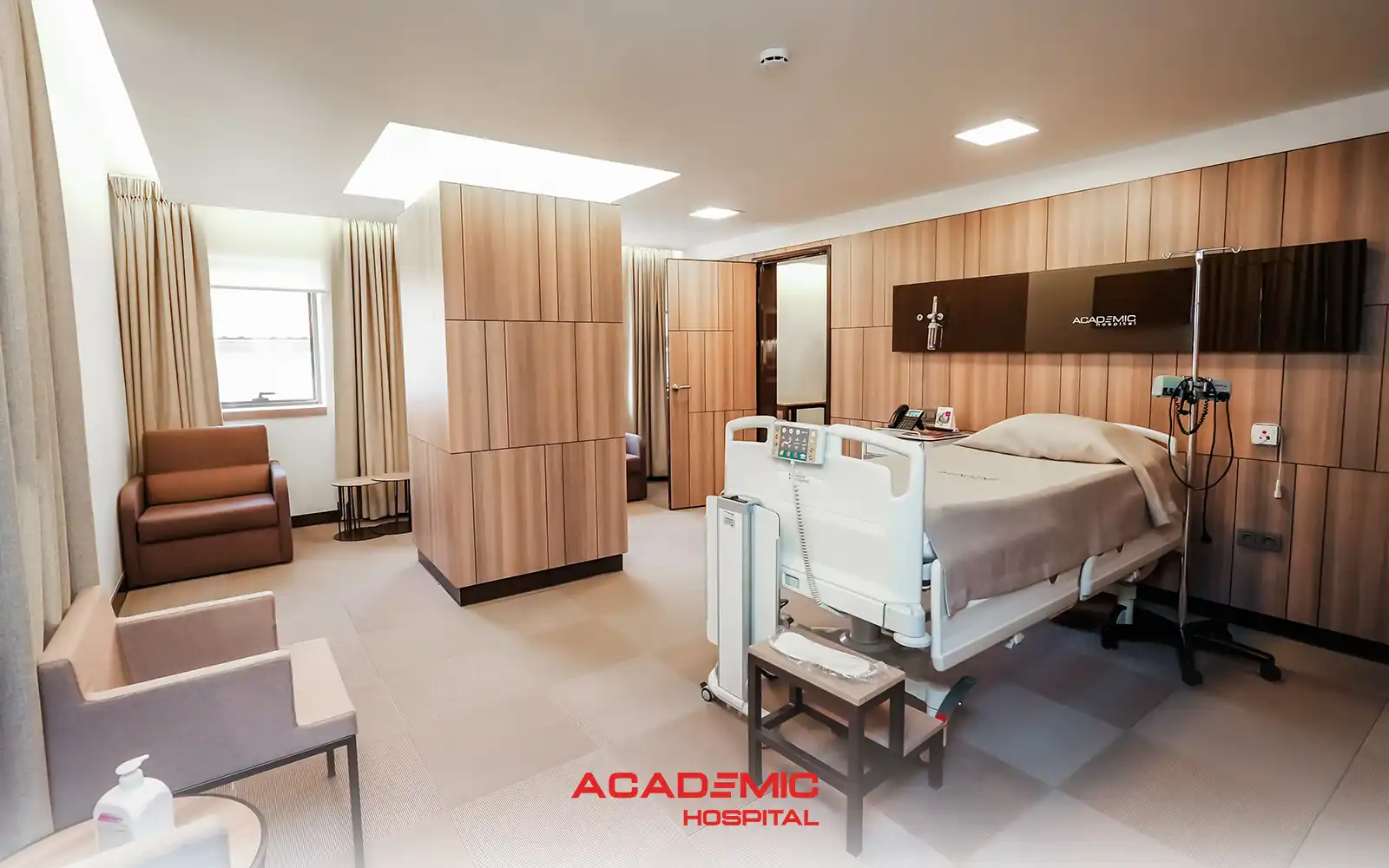
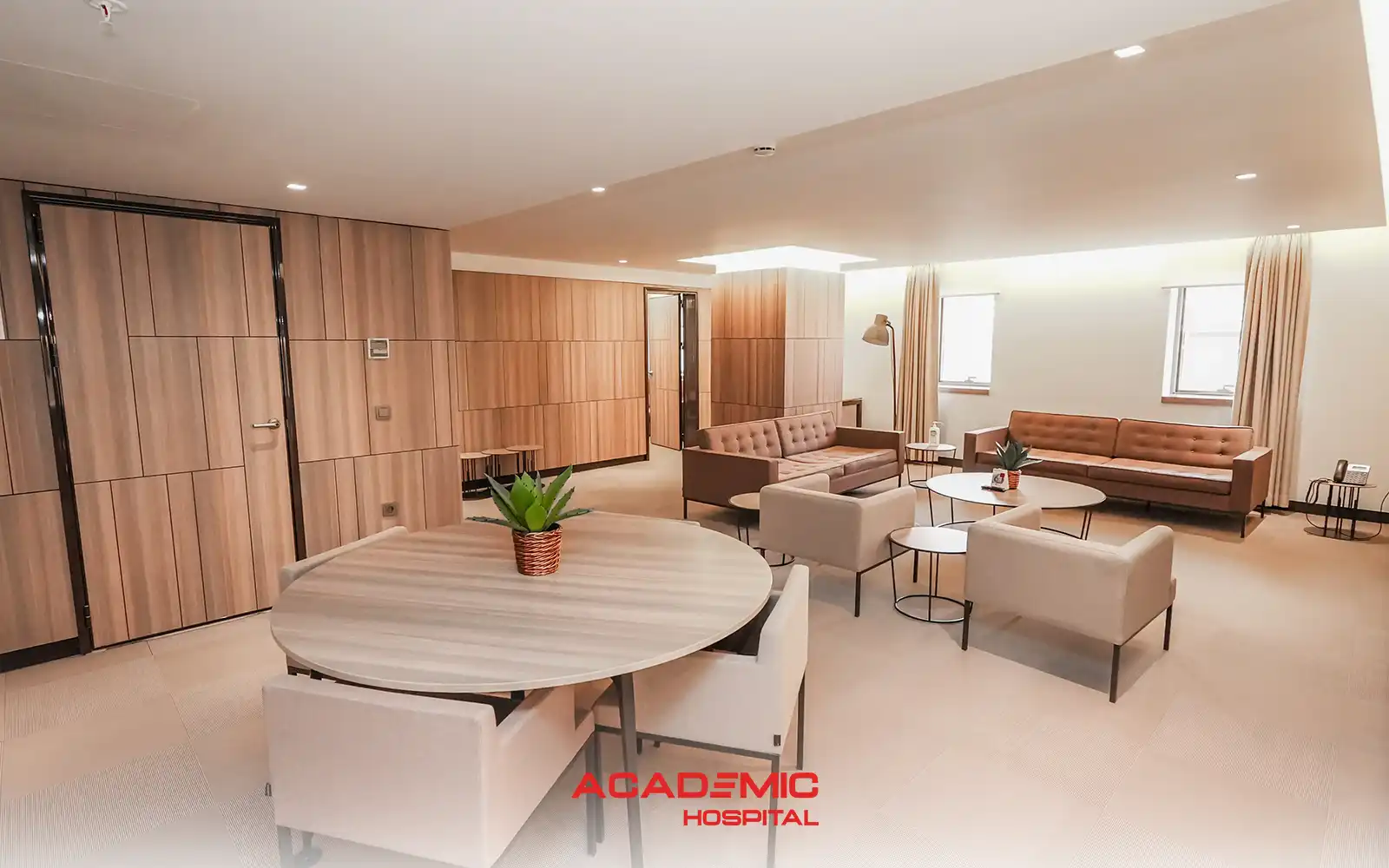
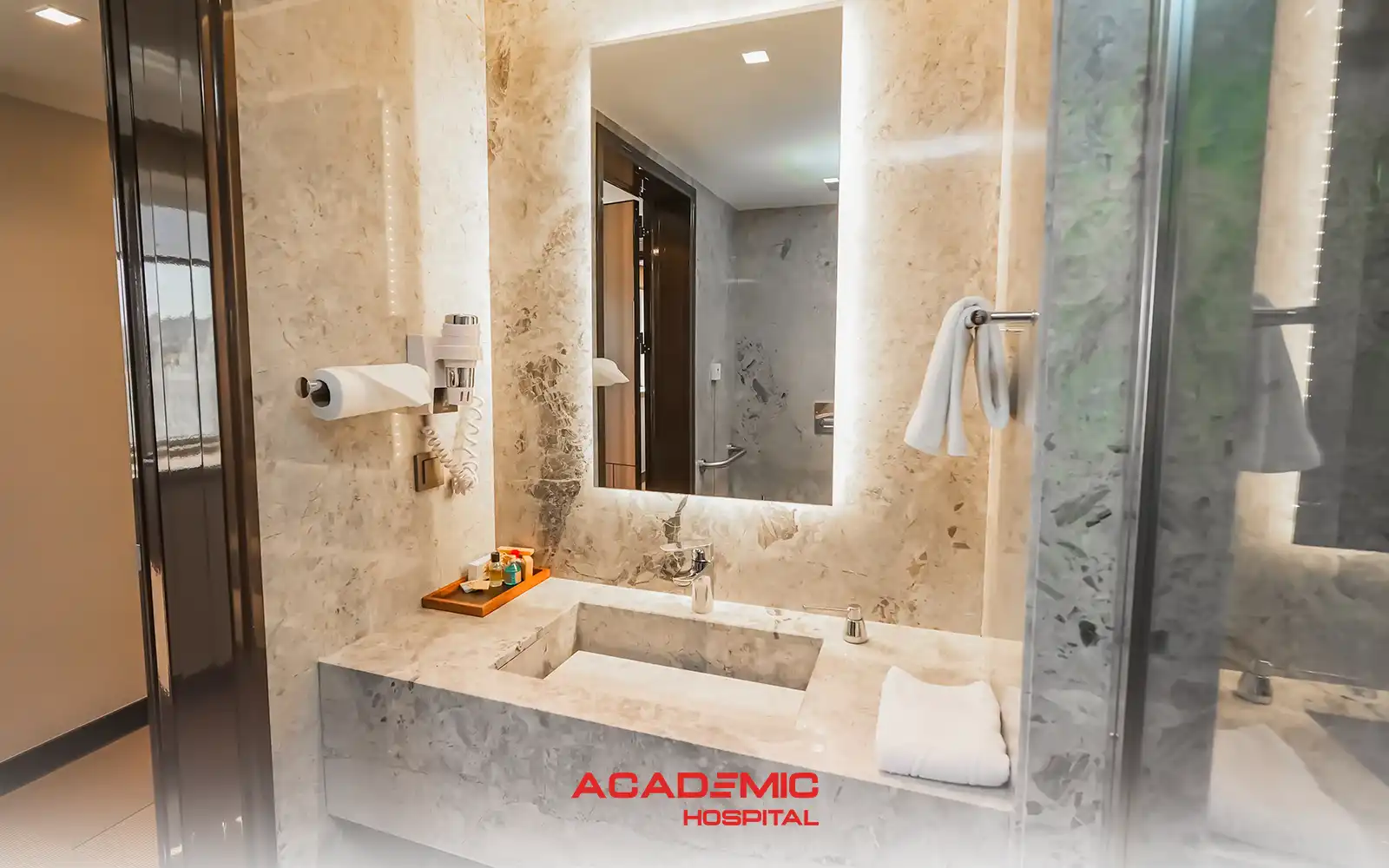
★ Package Includes
-
All Medical Services Surgical and medical services are coordinated by physicians with international patient experience.
-
Hospital Stay Hospital stay planning is arranged according to your treatment plan, up to 2 nights when required.
-
Hotel Accommodation Comfortable hotel accommodation support in a central location, up to 5 nights.
-
VIP Transfers Airport, hotel, and hospital transfers are organized for a smooth arrival and departure.
-
Personal Health Consultant A dedicated coordinator supports your journey in your own language.
-
Online Follow-up Professional follow-up and continuous support continue after you return home.
-
24/7 WhatsApp Support Fast communication before travel, during recovery, and after your procedure.
Your Treatment Journey
Get Your Free Medical Evaluation
Share your details and medical reports. Our international patient team replies within 24 hours.
Thank you! Our team will contact you shortly.
Frequently Asked Questions
Fill in the Patient Form with your details and medical reports. Our international patient team reviews your case with the relevant doctors and contacts you within 24 hours with a personalised evaluation — free of charge and with no obligation.
Yes. Our International Patient Center provides full support in English, and interpreters can be arranged for other languages. A dedicated coordinator accompanies you throughout your treatment.
You can upload JPG, PNG, PDF or DOC files directly through the form on this page, or send them via WhatsApp. Our doctors review everything before you travel, so your treatment plan is ready on arrival.
Yes. Our VIP service covers airport, hotel and hospital transfers, and we support hotel accommodation in a central location for up to 5 nights depending on your package.
It depends on your treatment. Many procedures require a stay of 5-10 days including consultations and follow-up checks. Your personalised treatment plan includes the exact schedule before you book your travel.
After your medical review you receive an all-inclusive package quote with no hidden costs. Payments can be made by bank transfer or credit card.
Yes. Online follow-up continues after you return home, and your personal coordinator stays in touch with you via WhatsApp throughout your recovery.
With 30+ years of experience, an academic medical staff and patients from 100+ countries, we combine international standards with a personal, comfortable patient experience in central Istanbul.
Of course. Our medical evaluation is free and non-binding — you can use it as a second opinion and decide at your own pace.
Yes. We help arrange accommodation for your companion and guide you through invitation letters or other paperwork where applicable.


