
 WhatsApp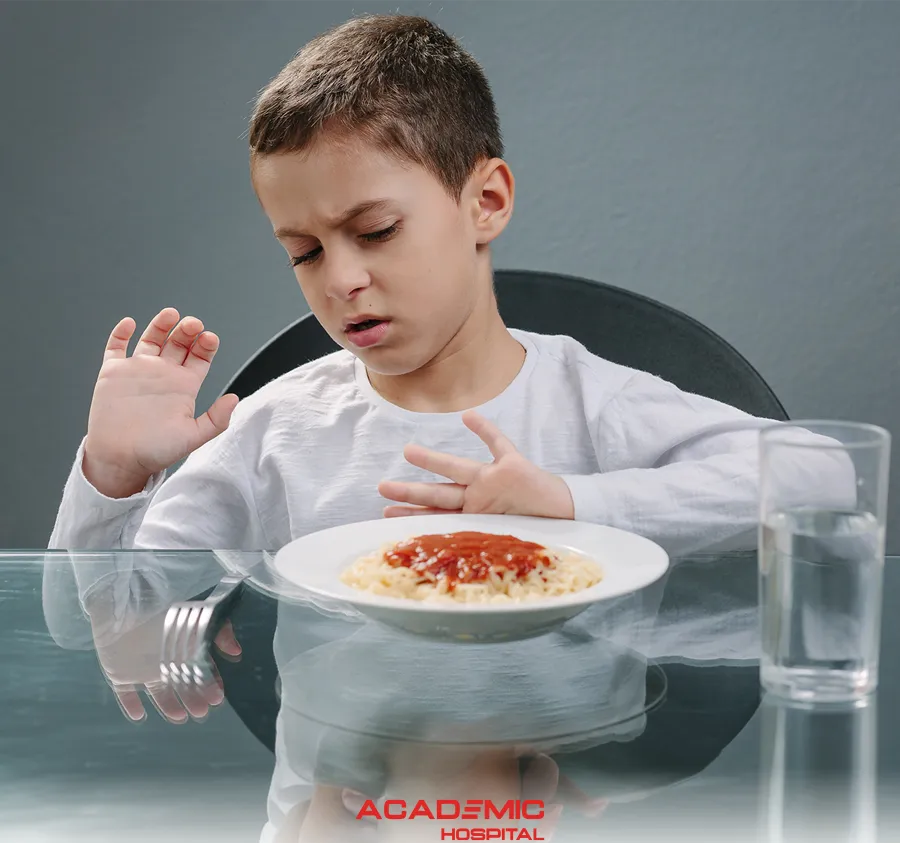
Loss of Appetite in Children: Causes, Nutrition and When to Seek Medical Advice
Contents
- What Is Loss of Appetite in Children?
- Can a Reduced Appetite Be Normal?
- How Can Parents Manage Poor Appetite?
- How Should Meals Be Structured?
- When Is Poor Appetite Concerning?
- Nutrition and Normal Immune Function
- How Can Iron Deficiency Be Prevented?
- Do Milk and Yogurt Affect Iron?
- What Is Lactose Intolerance?
- Is Lactose Intolerance the Same as Milk Allergy?
- When Is Medical Assessment Needed?
- Frequently Asked Questions
What Is Loss of Appetite in Children?
Loss of appetite in children may refer to reduced interest in eating, refusal of meals or a marked reduction in the variety of foods eaten compared with what is expected for the child's age and developmental stage.
However, not every situation described by parents as poor appetite represents a medical problem. As growth slows after infancy, energy requirements and appetite can also change.
A child may eat very little at one meal and considerably more at another, and temporary rejection of certain foods can be part of normal development.
Can a Reduced Appetite Be Normal?
Fluctuating appetite and selective eating are common, particularly during the toddler years.
After the rapid growth of infancy slows, children may require relatively less energy. At the same time, toddlers begin to express stronger preferences and may reject unfamiliar foods or temporarily refuse foods they previously enjoyed.
If growth and development remain appropriate, this behaviour does not necessarily indicate disease.
How Can Parents Manage Poor Appetite?
The aim should not be to force a child to eat, but to provide regular, varied and nutritious choices while allowing the child to respond to hunger and fullness cues.
Helpful strategies include:
- Offering meals and snacks at reasonably regular times
- Limiting continuous grazing between meals
- Avoiding pressure or force at mealtimes
- Avoiding food rewards or punishment
- Repeatedly offering unfamiliar foods in small amounts
- Including at least one familiar healthy food at a meal
- Eating together as a family where possible
- Reducing television, phones and tablets during meals
A child may need repeated exposure to a new food before accepting it. A food should not necessarily be removed permanently simply because it has been refused several times.
How Should Meals Be Structured?
Rather than trying to include specific vitamins in every individual meal, the goal should be a varied and balanced dietary pattern across the day and week.
Age-appropriate meals can include:
- Vegetables and fruits
- Eggs, meat, poultry, fish and legumes
- Whole grains and other grain products
- Age-appropriate milk and dairy products
- Healthy sources of dietary fat
Complementary foods generally begin at around 6 months of age. Responsive feeding, in which caregivers recognise and respond appropriately to hunger and satiety cues, is also an important part of healthy feeding.
When Is Poor Appetite Concerning?
Poor appetite should be evaluated more carefully when accompanied by:
- Weight loss or inadequate weight gain
- Slowing linear growth
- Persistent fatigue or marked pallor
- Persistent abdominal pain
- Recurrent vomiting
- Persistent diarrhoea or constipation
- Difficulty chewing or swallowing
- Coughing or choking during meals
- An increasingly restricted range of foods
- Significant anxiety or conflict around eating
Which Foods Support Normal Immune Function in Children?
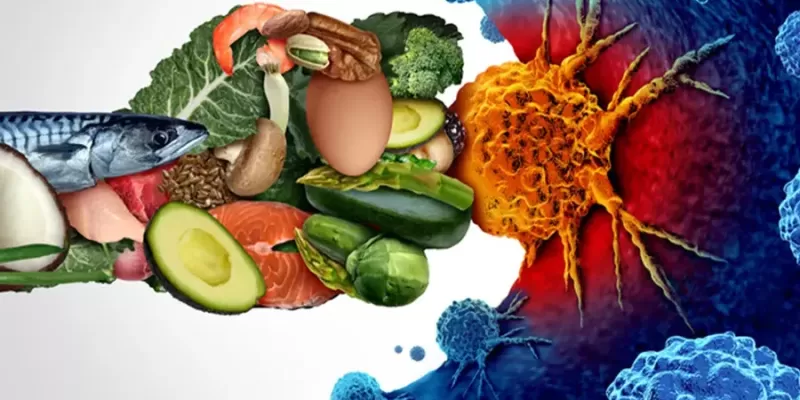
No single food can be said to “boost” a child's immune system or prevent infections on its own.
Normal immune function is supported by an age-appropriate dietary pattern that provides adequate energy, protein, vitamins and minerals.
A varied diet can include vegetables and fruits, eggs, meat, poultry, fish, legumes, unsweetened yogurt or kefir, whole grains and age-appropriate forms of nuts and seeds.
Whole nuts can be a choking hazard for young children and should be provided only in an age-appropriate safe form, such as finely ground nuts or suitable nut butter.
How Can Iron Deficiency Be Prevented?
Iron is important for blood production, growth and neurological development.
Useful dietary sources include:
- Red meat
- Poultry
- Fish and appropriate seafood
- Eggs
- Lentils, chickpeas and beans
- Iron-fortified infant cereals and other appropriate fortified foods
- Tofu
- Dark green leafy vegetables
Combining plant sources of iron with vitamin C-rich foods such as tomatoes, peppers, broccoli, berries or citrus fruits can improve absorption of non-heme iron.
If iron deficiency or iron-deficiency anaemia is already present, dietary changes alone may not be sufficient. Supplementation should be planned according to medical assessment and appropriate laboratory testing.
Do Milk and Yogurt Cause Iron Deficiency?
It is too simplistic to state that eating yogurt with an iron-containing meal causes iron-deficiency anaemia.
Calcium can temporarily affect iron absorption under some conditions, but in a varied mixed diet this does not mean that yogurt itself causes iron deficiency.
A more important concern in young children is excessive milk consumption, which can reduce appetite for iron-rich foods and displace other nutrient-dense foods from the diet.
Cow's milk should not be used as the main drink before 12 months of age. After the first birthday, milk can be part of a balanced diet but should not replace a varied intake of solid foods.
What Is Lactose Intolerance?
Lactose intolerance occurs when lactose, the natural sugar found in milk and dairy products, is not adequately digested and gastrointestinal symptoms develop.
The underlying mechanism is insufficient activity of lactase, the enzyme in the small intestine that breaks down lactose.
Symptoms can include:
- Bloating
- Gas
- Abdominal pain or cramping
- Increased bowel sounds
- Diarrhoea
- Nausea
- Vomiting in some children
Congenital lactose intolerance is very rare. Primary reduction in lactase activity generally develops after infancy, and symptoms may not appear until later childhood, adolescence or adulthood.
Is Lactose Intolerance the Same as Cow's Milk Allergy?
No. These are different conditions.
Lactose intolerance is a digestive problem related to the milk sugar lactose.
Cow's milk protein allergy is an immune reaction to proteins in milk.
Milk allergy may cause gastrointestinal symptoms but can also cause hives, swelling, respiratory symptoms or severe allergic reactions.
When Is Medical Assessment Needed?
Persistent poor appetite or appetite problems that affect growth may require assessment of:
- Height and weight progression
- Dietary history
- Milk and beverage intake
- Iron-rich food intake
- Abdominal pain, vomiting, diarrhoea or constipation
- Chewing and swallowing ability
- Risk factors for iron deficiency or other nutrient deficiencies
Assess Growth and Nutrition, Not Just Appetite
The significance of poor appetite depends on its duration, growth pattern, dietary variety and associated symptoms.
Frequently Asked Questions
References
- Academic Hospital. Loss of Appetite in Children
- World Health Organization. WHO Guideline for Complementary Feeding of Infants and Young Children 6–23 Months of Age
- American Academy of Pediatrics. 10 Tips for Parents of Picky Eaters
- Centers for Disease Control and Prevention. Iron – Infant and Toddler Nutrition
- Centers for Disease Control and Prevention. Cow's Milk and Milk Alternatives
- National Institutes of Health, Office of Dietary Supplements. Iron – Health Professional Fact Sheet
- National Institute of Diabetes and Digestive and Kidney Diseases. Lactose Intolerance