
 WhatsApp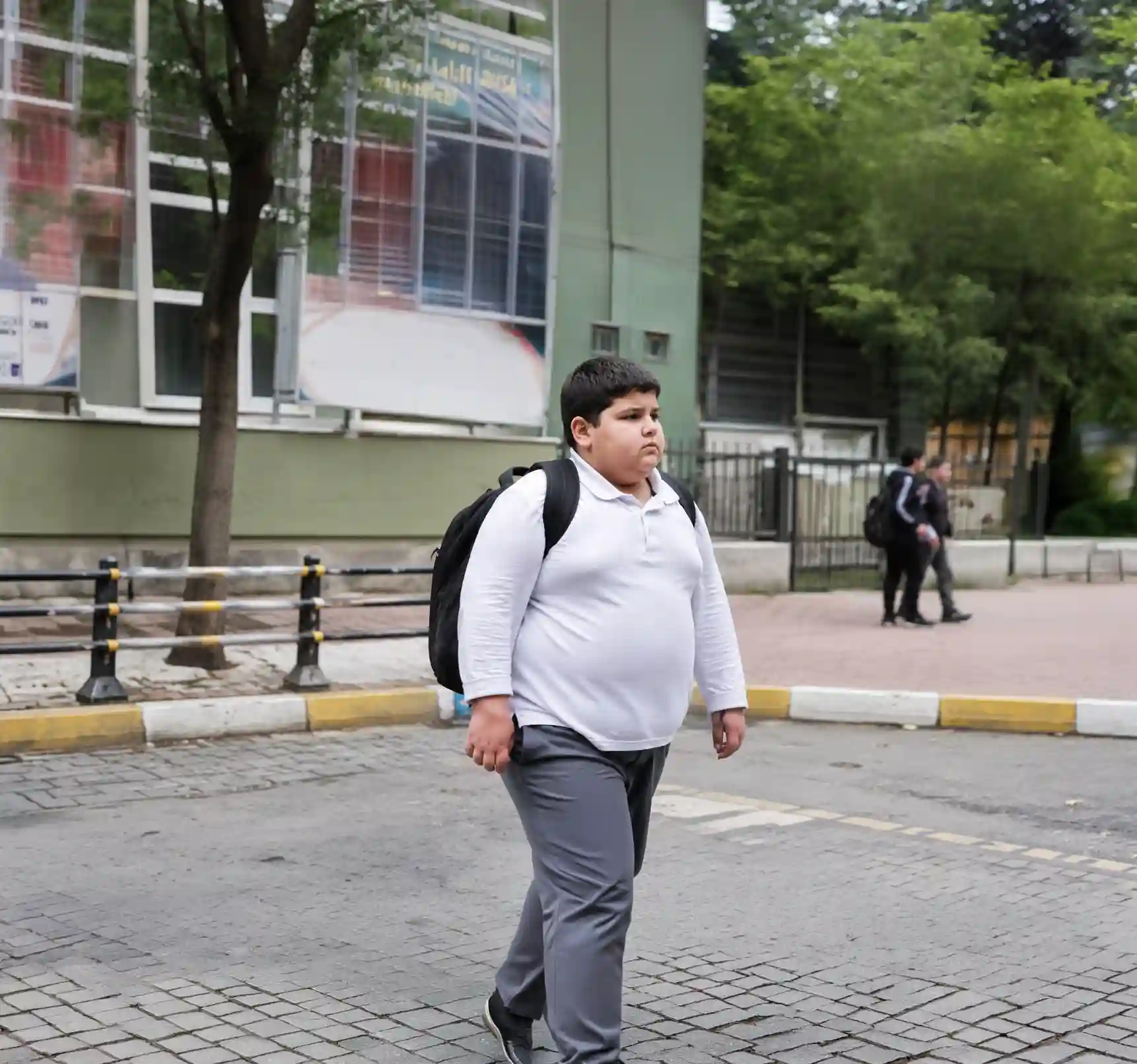
Obesity in Children and Adolescents
Contents
The World Health Organization describes childhood obesity as a global epidemic. Obesity observed in children and adolescents in both developed and developing countries is the most common nutritional problem seen across society and is increasing rapidly.
Diagnosis of Obesity in Children and Adolescents: Evaluation with BMI and Percentile Curves
Body fat in children and adolescents shows changes depending on growth and sex. For this reason, in childhood and adolescence, the diagnosis of obesity is made differently from adults, with the help of charts called “percentile curves,” in which age and sex factors are taken into account.
Before making an evaluation, the individual’s height and weight should be measured and, based on this, the calculation called body mass index (BMI) should be made. This calculation is simple and anyone can do it (BMI = WEIGHT (kg) ÷ HEIGHT (cm)2). In the preschool period, body mass index shows a slight decrease and then increases continuously until adulthood. Children above the 95th percentile are generally included in the overweight/obese category.
For example, if a child is at the 95th percentile, this means that 95 out of 100 children of the same age and sex have a lower BMI value than the person being measured. Accordingly, children between the 85th and 95th percentiles are included in the group at risk of being overweight, those between the 5th and 85th percentiles are considered normal, and those below the 5th percentile are included in the underweight category. You can also easily find out your child’s status by calculating your child’s BMI and then looking at the percentile curves, and you can perform percentile follow-up for your child.
Possible Causes of Obesity in Children and the Path to Follow
Although being overweight and obese depends on many factors, the most common situation is the imbalance between energy intake and expenditure. Various genetic and environmental factors that contribute to this have been identified. In addition, although rare, some hormonal imbalances, metabolic diseases and musculoskeletal disorders may be considered among potential causes. While approximately 10% of obesity is caused by genetic or hormonal disorders, the situation is largely related to the imbalance between calorie intake and expenditure. Therefore, considering that this problem is increasing very rapidly in the world, commonly heard statements such as “my whole family is overweight” or “I have a problem with my glands” show that the problem of obesity cannot be explained only by genetic or metabolic factors.
After the initial evaluation, if your child is at the 95th percentile or above, it is appropriate for a pediatric specialist to clinically investigate the child and review the causes of obesity. In addition, when the BMI value is between the 85th and 94th percentiles, it is appropriate to investigate family history, blood pressure, total cholesterol level, orthopedic problems, sudden changes in BMI, and psychosocial status related to weight. If there is a problem in any of these, specialist opinion should again be sought.
Because growth continues in children, between the ages of 2 and 7 and in the absence of any disease, losing weight by entering a negative calorie balance is generally not recommended. The preferred approach is to maintain the current weight so that as the child grows, BMI decreases over time, while also establishing healthy nutrition and exercise habits. This approach requires patience and a long-term effort, and the importance of the family’s contribution in this effort cannot be overemphasized. In some cases, the contribution of nutrition and exercise specialists may also be needed in these efforts. In children aged seven years and older, if the body mass index is at or above the 95th percentile, weight loss under specialist supervision may be considered.
Possible Consequences of Childhood Obesity
One of the most common problems that occurs in childhood and adolescence in the case of being overweight or obese is impaired psychosocial functioning. Many overweight children are exposed to teasing and ridicule because of their appearance, cannot perform well in situations requiring physical activity such as team games, and keep themselves away from such activities. These psychosocial effects often lead to inactivity, and inactivity further increases obesity.
Scientific studies show that adipose tissue is not only a tissue where unburned energy is stored, but that some harmful molecules are released from adipose tissue into the blood, and over time these molecules affect the cardiovascular system, hormonal balance and metabolism, leading to various diseases. Among these unhealthy conditions are impaired glucose tolerance, Type II diabetes, high blood pressure, sleep disorders, respiratory and digestive system disorders, and heart diseases. As can be seen, the more adipose tissue there is, the more these risks increase. Even more noteworthy is that some diseases we are accustomed to seeing in middle age and older ages (high blood pressure, diabetes, etc.) are now beginning to be frequently encountered in childhood as well. For example, according to studies, insulin resistance occurs in one quarter of overweight children and adolescents, and it is suggested that 3% of this group of children may have undiagnosed diabetes(1). Studies suggest that these abnormalities increase during adolescence and that approximately 29% of overweight adolescents develop a condition called metabolic syndrome, which is characterized by metabolic abnormalities. In addition, when considered from a public health perspective, approximately one third of overweight preschool children and approximately half of overweight adolescents become overweight adults(2).
Treatment and Measures
Assessing readiness for change: Weight follow-up programs fail when the child, adult, or parents do not feel ready for lifestyle changes. A failed program may lead to decreased self-confidence in the child and wasted energy that will be needed for weight control in the future. For this reason, the interest of family members in the subject, the belief about whether weight loss is possible, and which practical changes they are ready for should be investigated.
Explaining healthy and balanced nutrition strategies and arranging an appropriate physical activity program are essential for the prevention and treatment of obesity.
Physical activity and eating habits: The first rule for children is that the activity should be fun, enjoyable and rewarding. It is not realistic to expect children to move in order to be healthy. Activities closely related to inactivity (computer games, watching television) should be reduced, and the participation of family members is of special importance. Especially in children under 10 years of age, lifestyle is largely determined by family members; therefore, activities and eating habits that include the whole family become important. Let us remember that children in this age group are predominantly fed with foods available at home.
Making the consumption of healthy foods fun (for example, placing pieces of cut vegetables and fruit in yogurt), and allowing the child to be involved in food preparation may be useful methods.
Adolescents, who are quite eager to gain independence, may be given more responsibility in cooking. For adolescents, the constructive suggestions and motivation of parents regarding exercise and nutrition are also important. Although walking and running are recommended in this group, they are generally not preferred by adolescents. As alternatives, dance, basketball, cycling, skating or game-like activities may be recommended. As activities with the potential to increase self-confidence, outdoor walks and nature sports may be preferred instead of activities that increase focus on the body, such as exercising in front of mirrors in gyms. In addition, adolescents enjoy strength-building exercises performed by adults. Because such exercises show effects in a short time, they may also be motivating. Activities that emphasize strength may be preferred instead of those requiring agility, quickness or speed. In addition, methods such as choosing gifts that encourage children to exercise and encouraging activity after school before starting homework may be tried.
Goals should be chosen realistically, and instead of targeting a specific body weight, healthy eating and being active should be emphasized. Also, if weight is maintained over time, as the child grows, body mass index will gradually decrease. In children above the 95th percentile who are successful in maintaining their weight, weight-reducing nutrition recommendations may be given under specialist supervision, at a rate of half a kilogram per month. However, this goal should not take precedence over healthy eating behaviors.
One of the recommended methods is the 5+2+1 rule. This method includes consuming at least 5 types of vegetables or fruits during the day, keeping sedentary time outside academic work (homework, projects, etc.) to no more than 2 hours, and engaging in at least 1 hour of physical activity daily.
Other healthy choices include family members sitting at the table together (away from television), not using food as a reward or punishment, and keeping healthy vegetables and fruits in the kitchen instead of high-calorie snacks. It should be explained that eating when hungry is a natural, that is, physiological event, and similarly, the methods of recognizing fullness should be patiently taught.
Do Not Delay Obesity Evaluation in Children
You can receive an evaluation from pediatrics specialists regarding your child’s BMI value, percentile follow-up, weight gain, eating habits or accompanying health problems.
Frequently Asked Questions
References
- Sinha, M.K. et al. Prevslsnce ofimpaired glucose tolerance among children and adolescents with marked obesity. N.Eng. J. Med. 346(11):802-810, 2002.
- Cook, S. et al. Prevalance of a metabolic syndrome phenotype in adolescents: findings from the third National Healty and Nutrition Examination Survey. Arch. Pediatr Adolesc Med. 157(8) 821-827, 1988.