
 WhatsApp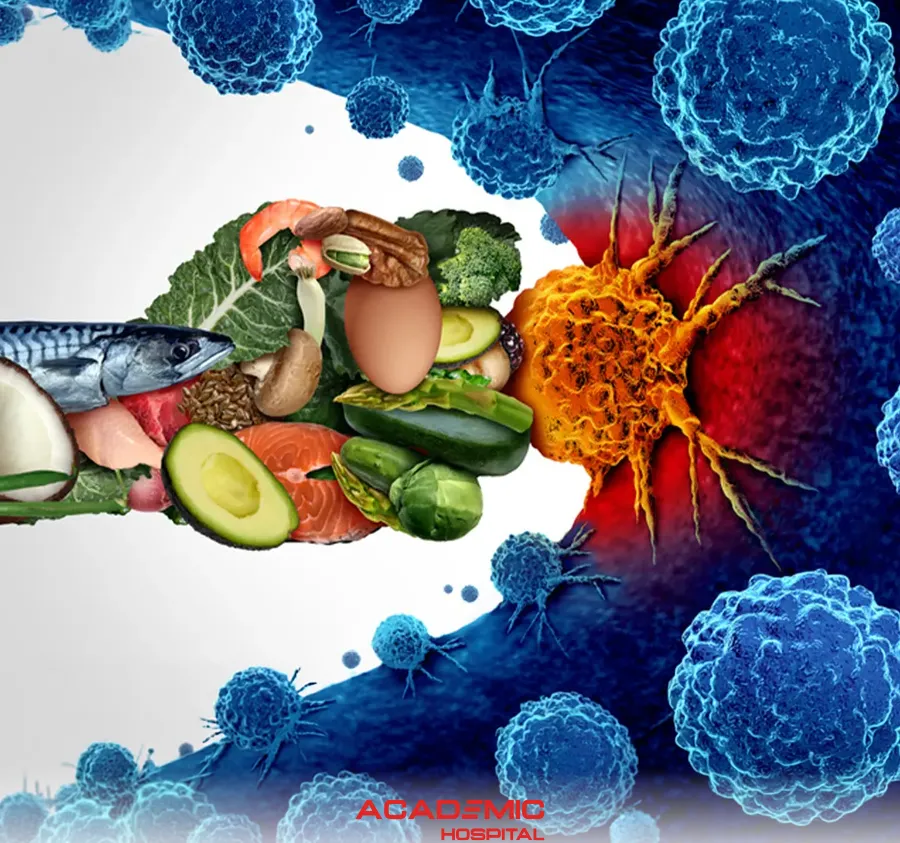
Nutrition in Oncology: Diet for Cancer Prevention and During Treatment
Contents
- Why Is Nutrition Important in Oncology?
- Is Nutrition for Prevention the Same as Nutrition During Treatment?
- How Should You Eat to Reduce Cancer Risk?
- Physical Activity and Cancer Prevention
- Body Weight and Cancer Risk
- Vegetables, Fruit, Whole Grains and Legumes
- Red and Processed Meat
- Alcohol and Cancer Risk
- Can Supplements Prevent Cancer?
- Nutrition During Cancer Treatment
- Weight Loss and Malnutrition
- Nutrition for Treatment Side Effects
- Frequently Asked Questions
Why Is Nutrition Important in Oncology?
Nutrition, physical activity and body weight are important not only in relation to cancer but also for cardiovascular disease, hypertension and type 2 diabetes.
In oncology, nutrition has two distinct roles:
- Healthy lifestyle habits intended to help reduce the risk of developing cancer
- Ensuring adequate energy, protein and nutrient intake in people who are receiving cancer treatment
These two situations are related but should not be treated as identical.
Is Nutrition for Cancer Prevention the Same as Nutrition During Treatment?
No.
For generally healthy adults, cancer prevention guidance focuses on maintaining a healthy body weight, eating a diet rich in vegetables, fruit, whole grains and legumes, and remaining physically active.
During active cancer treatment, priorities may change. Cancer itself and treatments such as chemotherapy, radiotherapy and surgery can cause loss of appetite, weight loss, nausea, vomiting, taste changes, mouth sores, swallowing problems and gastrointestinal symptoms.
In these circumstances, maintaining adequate calorie and protein intake may become more important than following a restrictive diet.
How Should You Eat to Reduce Cancer Risk?
A healthy dietary pattern for cancer prevention generally emphasises:
- A variety of vegetables
- Fruit, particularly whole fruit
- Whole grains
- Legumes
- Nuts, seeds and other plant foods
- Appropriate sources of protein such as fish and poultry
Red and processed meats, sugar-sweetened beverages, highly processed foods and refined grain products should be limited.
How Much Physical Activity Is Recommended?
Regular physical activity is associated with a lower risk of several cancers and helps support a healthy body weight.
For adults, general prevention guidance recommends:
- 150–300 minutes of moderate-intensity activity per week, or
- 75–150 minutes of vigorous-intensity activity per week, or
- An appropriate combination of the two.
Reaching or exceeding the upper end of the range may provide additional benefit. Reducing prolonged sedentary time is also important.
Does Body Weight Affect Cancer Risk?
Excess body weight and obesity are associated with an increased risk of several cancers.
Maintaining a healthy weight throughout adult life and avoiding excessive weight gain are therefore important cancer prevention strategies.
However, intentional weight loss is not automatically appropriate for a person who is undergoing cancer treatment and losing weight unintentionally. Nutritional status needs to be assessed separately during active treatment.
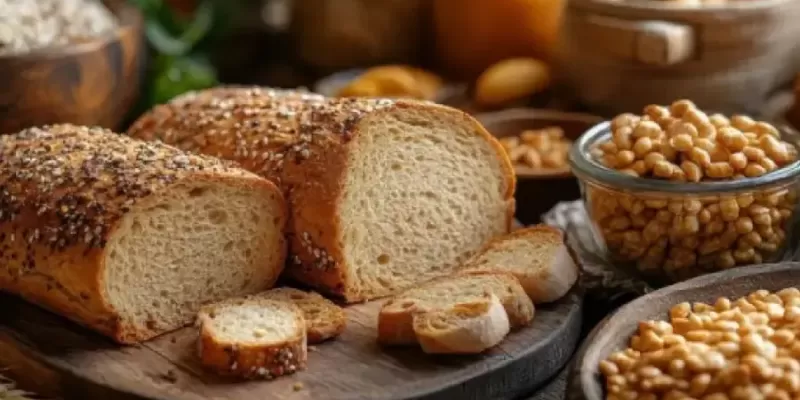
Why Are Vegetables, Fruit, Whole Grains and Legumes Important?
Plant foods provide vitamins, minerals, fibre and a variety of bioactive compounds.
Dietary patterns rich in vegetables, fruit, whole grains and legumes can support a healthy body weight and are associated with a lower risk of certain cancers.
High-fibre foods such as whole grains and legumes are particularly relevant in dietary patterns associated with a lower risk of colorectal cancer.
Should Red and Processed Meat Be Limited?
Current cancer prevention guidance recommends limiting red meat and consuming as little processed meat as possible.
Processed meats include products that have been cured, smoked, salted or otherwise processed, such as sausages, salami, ham and similar products.
Protein intake can also come from fish, poultry, legumes and other suitable sources.
Does Alcohol Increase Cancer Risk?
Yes. Alcohol consumption is associated with several types of cancer.
For cancer prevention, the American Cancer Society states that it is best not to drink alcohol.
Can Vitamins or Supplements Prevent Cancer?
Routine use of high-dose vitamin, mineral, antioxidant or herbal supplements is not recommended for cancer prevention.
Whenever possible, nutrients should be obtained through a balanced diet.
How Should You Eat During Cancer Treatment?
There is no single diet suitable for every person with cancer.
A nutrition plan should consider:
- Cancer type and stage
- Treatment being given
- Current weight and weight changes
- Muscle mass
- Appetite
- Ability to chew or swallow
- Digestive symptoms and treatment side effects
People who are losing weight or struggling to eat during treatment may need more calories and protein. Small frequent meals, energy- and protein-dense foods or oral nutrition supplements may be appropriate in selected patients.
Why Are Weight Loss and Malnutrition Important?
Cancer and cancer treatment can reduce food intake and alter the body's energy and protein requirements.
Unintentional weight loss and loss of muscle mass can:
- Increase weakness
- Reduce quality of life
- Make cancer treatments more difficult to tolerate
- Affect recovery
For this reason, food intake, weight changes and nutritional risk should be assessed throughout cancer care.
How Can Nutrition Be Adjusted for Treatment Side Effects?
Cancer treatment can cause different nutrition-related symptoms in different patients.
Common problems include:
- Loss of appetite
- Nausea and vomiting
- Taste and smell changes
- Dry mouth or mouth sores
- Difficulty swallowing
- Diarrhoea or constipation
- Early satiety
Nutrition should therefore be adjusted to the symptom rather than using the same diet for every patient.
For example, small frequent meals and energy- and protein-dense foods can help with appetite loss and weight loss, while texture modification may be required in patients with swallowing difficulties.
Nutrition in Oncology Should Be Individualised
Nutritional needs differ between cancer prevention, active treatment and survivorship. Individual assessment is especially important when there is unintentional weight loss, poor appetite or treatment-related difficulty eating.
Frequently Asked Questions
References
- Academic Hospital. Nutrition in Oncology
- American Cancer Society. Guideline for Diet and Physical Activity for Cancer Prevention
- American Cancer Society. Nutrition and Physical Activity Guideline for Cancer Survivors
- National Cancer Institute. Nutrition During Cancer Treatment
- Muscaritoli M, et al. ESPEN Practical Guideline: Clinical Nutrition in Cancer
- World Cancer Research Fund. Cancer Prevention Recommendations