

 WhatsApp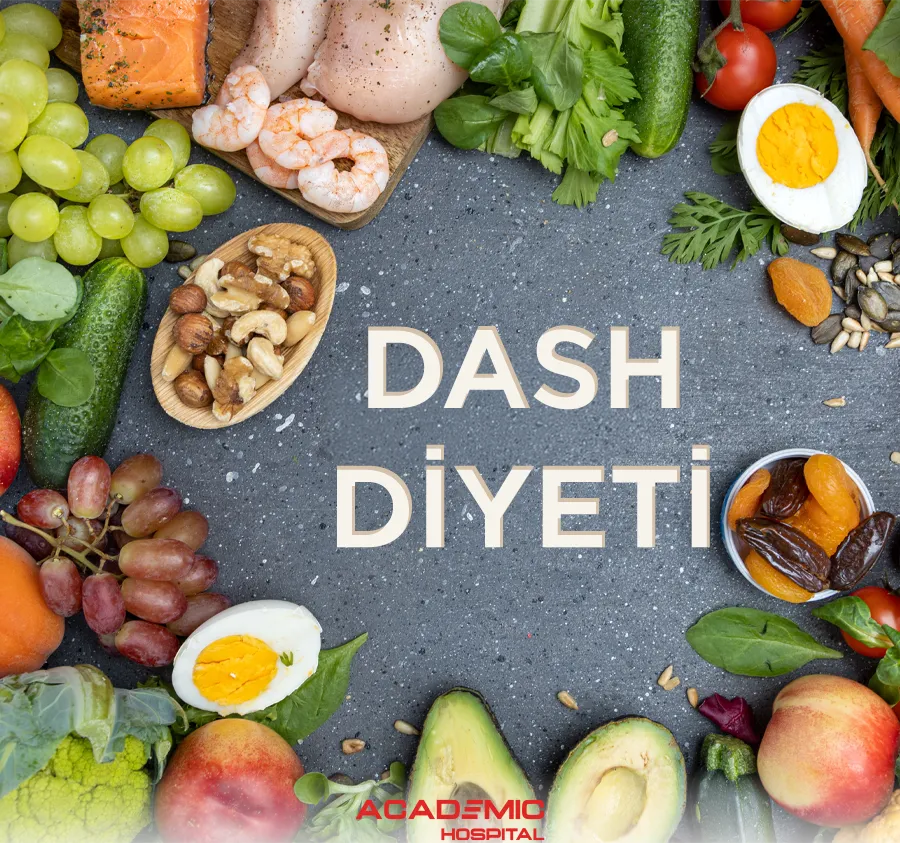
What Is the DASH Diet? Nutrition for High Blood Pressure and How to Follow DASH
Contents
- What Is the DASH Diet?
- What Are the Health Benefits?
- Which Foods Are Included?
- How Many Servings Are Recommended?
- How Much Sodium and Salt?
- How Can Sodium Be Reduced?
- Fruit and Vegetables
- Dairy Products
- Whole Grains and Legumes
- Protein Sources
- Which Fats Should Be Chosen?
- Nuts and Seeds
- Water and Fluid Intake
- Weight Management
- Physical Activity
- Who May Need an Individualised DASH Plan?
- Frequently Asked Questions
What Is the DASH Diet?
DASH stands for Dietary Approaches to Stop Hypertension.
It is a balanced eating pattern developed to help prevent and manage high blood pressure and is supported by extensive clinical research.
The DASH pattern emphasises vegetables, fruits, whole grains, legumes, low-fat or fat-free dairy products, fish, poultry, nuts, seeds and unsaturated vegetable oils.
It limits sodium, saturated fat, processed meats, sugar-sweetened beverages, sweets and highly processed foods.
DASH shares several characteristics with Mediterranean-style eating but the two dietary patterns are not identical.
What Are the Health Benefits of DASH?
The strongest evidence for DASH relates to lowering blood pressure.
Research has shown that DASH can:
- Lower systolic and diastolic blood pressure
- Improve LDL cholesterol levels
- Support a heart-healthy dietary pattern
- Support weight management when calorie intake is appropriately adjusted
Reducing sodium while following DASH can produce an additional reduction in blood pressure.
Which Foods Are Included in DASH?
DASH is rich in potassium, magnesium, calcium, fibre and quality protein sources.
- Vegetables
- Fruit
- Whole grains
- Beans, peas and lentils
- Low-fat or fat-free dairy products
- Fish
- Skinless poultry
- Unsalted nuts and seeds
- Olive oil and other unsaturated vegetable oils
Sugar-sweetened drinks, sweets, processed meats, high-sodium packaged foods and foods high in saturated fat are limited.
How Many Servings Are Recommended?
Serving targets vary according to daily calorie requirements.
For an example 2,000-calorie DASH plan:
- Grains: 6–8 servings daily
- Vegetables: 4–5 servings daily
- Fruit: 4–5 servings daily
- Low-fat or fat-free dairy: 2–3 servings daily
- Meat, poultry and fish: 6 servings or fewer daily
- Fats and oils: 2–3 servings daily
- Nuts, seeds and legumes: 4–5 servings weekly
- Sweets: 5 servings or fewer weekly
These figures are examples rather than a prescription for every individual.
How Much Sodium and Salt Are Recommended?
Sodium and salt are not the same measurement. Table salt is mainly sodium chloride, and approximately 1 gram of salt contains 400 mg of sodium.
The standard DASH eating plan limits sodium to about 2,300 mg per day.
A lower-sodium version uses a target of 1,500 mg sodium per day, which can reduce blood pressure further in some people.
Approximate salt equivalents are:
- 2,300 mg sodium ≈ 5.75 g salt
- 2,000 mg sodium ≈ 5 g salt
- 1,500 mg sodium ≈ 3.75 g salt
The World Health Organization recommends that adults consume less than 2,000 mg sodium, equivalent to less than 5 g of salt per day.
How Can Sodium Intake Be Reduced?
A substantial proportion of dietary sodium may come from prepared, packaged and restaurant foods rather than the salt shaker alone.
- Use less salt during cooking and at the table.
- Compare sodium values on food labels.
- Choose reduced-sodium or no-salt-added products when practical.
- Limit processed meats.
- Limit pickled foods, salty sauces and high-sodium seasonings.
- Reduce instant soups, stock cubes and highly processed foods.
- Use herbs, spices, lemon, garlic, onion and vinegar to flavour food.
Ingredients such as monosodium glutamate and sodium bicarbonate also contain sodium, but total dietary sodium is more important than automatically banning one particular ingredient.
Fruit and Vegetables
Fruit and vegetables are central components of DASH and provide fibre, vitamins, minerals and other biologically active compounds.
A 2,000-calorie DASH plan generally includes 4–5 servings of vegetables and 4–5 servings of fruit each day.
Many are naturally rich in potassium, which can help support healthy blood-pressure regulation.
Dairy Products
Low-fat or fat-free dairy products provide calcium and protein within the DASH pattern.
An example 2,000-calorie plan contains a total of 2–3 dairy servings per day.
This means the combined daily amount of milk, yoghurt, kefir and cheese rather than 2–3 servings of each.
People limiting sodium can compare the sodium content of cheeses, ayran and similar products.
Whole Grains and Legumes
Whole grains such as oats, bulgur, whole wheat and rye provide more fibre than refined grains.
Beans, chickpeas and lentils provide plant protein, fibre, potassium and magnesium and can replace some meat-based meals.
How Should Protein Sources Be Chosen?
DASH emphasises fish, skinless poultry, legumes and other relatively lean sources of protein.
Red meat is not completely prohibited. Lean choices and appropriate portions can be included, while processed meats and sources high in saturated fat should be limited.
Which Fats Should Be Chosen?
For cardiovascular health, the type of fat is important as well as the total amount.
Unsaturated fats from foods such as olive oil, other liquid vegetable oils, nuts, seeds and fish can be used in place of sources rich in saturated fat.
Baking, grilling, steaming and boiling can be used instead of frequent frying.
Nuts and Seeds
Unsalted walnuts, hazelnuts, almonds, peanuts and seeds can provide unsaturated fat, plant protein, fibre and minerals.
In a 2,000-calorie DASH pattern, nuts, seeds and legumes together are generally included about 4–5 times per week.
Not all nuts contain the same amount or type of omega-3 fatty acids. Walnuts, for example, are a notable source of alpha-linolenic acid.
Water and Fluid Intake
Adequate hydration is important for general health, but there is no single 2–2.5-litre rule that is appropriate for every adult.
Fluid requirements vary according to age, body size, physical activity, climate, pregnancy, breastfeeding and medical conditions.
Water can be used as the main beverage, while sugar-sweetened soft drinks and other drinks with substantial added sugars should be limited.
Weight Management
Excess weight is associated with higher blood pressure and cardiovascular risk.
For people living with excess weight, even modest weight loss can support improvement in blood pressure and overall cardiovascular health.
Weight management should generally focus on a sustainable energy deficit, balanced nutrition and regular physical activity rather than rapid restrictive diets.
How Much Physical Activity Is Recommended?
Regular physical activity complements DASH by supporting blood-pressure control, weight management and cardiovascular health.
For most adults, general recommendations include:
- 150–300 minutes per week of moderate-intensity aerobic activity, or
- 75–150 minutes per week of vigorous aerobic activity or an equivalent combination, and
- Muscle-strengthening activity on at least 2 days per week.
People with significant cardiovascular disease or a long period of inactivity may need medical assessment before substantially increasing exercise.
Who May Need an Individualised DASH Plan?
The DASH pattern is generally balanced, but modifications may be required for people with:
- Chronic kidney disease
- High blood potassium
- Medicines that raise potassium
- Heart failure requiring fluid restriction
- Diabetes requiring individualised carbohydrate management
- Other conditions requiring a therapeutic diet
DASH Focuses on an Overall Eating Pattern Rather Than a List of Prohibited Foods
A sustainable plan can increase vegetables, fruit, whole grains, legumes and healthy protein sources while limiting sodium, saturated fat, sugary drinks and highly processed foods.
Frequently Asked Questions
References
- Academic Hospital. DASH Diet
- National Heart, Lung, and Blood Institute. DASH Eating Plan
- National Heart, Lung, and Blood Institute. Health Benefits of DASH
- World Health Organization. Sodium Reduction
- World Health Organization. Healthy Diet
- American Heart Association. Diet and Lifestyle Recommendations