
 WhatsApp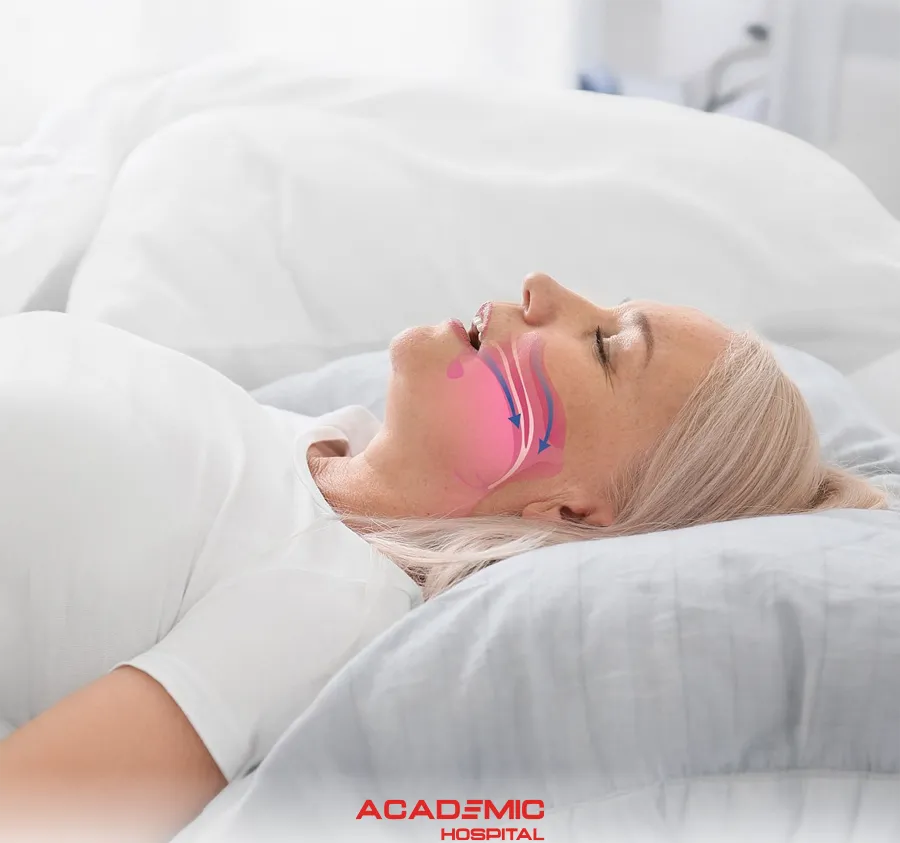
What Is Sleep Apnea? Causes, Symptoms and Treatment
Contents
Sleep apnea is a sleep disorder in which breathing repeatedly stops or becomes significantly reduced during sleep. These breathing disturbances may lower blood oxygen levels, repeatedly interrupt sleep and prevent restorative sleep.
Loud snoring, witnessed pauses in breathing, waking up gasping or choking and excessive daytime sleepiness are important warning signs. Many people with sleep apnea are unaware of what happens to their breathing during the night, so symptoms are often first noticed by a partner or family member.
What Is Sleep Apnea?
In sleep apnea, breathing is repeatedly interrupted during sleep. Airflow may stop completely for short periods or become significantly reduced. These episodes may occur many times during the night and can cause brief awakenings that the person may not remember.
Because normal sleep is repeatedly disrupted, a person may sleep for what appears to be an adequate number of hours but still wake feeling unrefreshed. Excessive daytime sleepiness, reduced energy, difficulty concentrating and impaired attention may occur.
Types of Sleep Apnea
Sleep apnea can occur through different mechanisms.
- Obstructive sleep apnea (OSA): The most common type of sleep apnea. It occurs when the upper airway repeatedly narrows or closes during sleep, reducing or temporarily stopping airflow.
- Central sleep apnea: Instead of a physical blockage of the upper airway, central sleep apnea occurs when the brain does not consistently send the signals required to maintain breathing. It may be associated with conditions such as heart failure, certain neurological disorders or opioid medications.
- Mixed or complex sleep apnea: Obstructive and central breathing events may occur together in some patients. Management is individualized according to the underlying mechanism and sleep study findings.
What Causes Sleep Apnea? What Are the Risk Factors?
Obstructive sleep apnea is particularly associated with factors that make the upper airway more likely to narrow or collapse during sleep. There is not always a single cause, and several risk factors may occur together.
- Overweight and obesity
- Increased fatty tissue around the neck and upper airway
- Large tonsils or adenoids
- Anatomical characteristics of the tongue, jaw or upper airway
- Increasing age
- Family history of sleep apnea
- Smoking
- Alcohol use, particularly close to bedtime
- Certain sedating medicines that may affect breathing or muscle tone
- Nasal obstruction and other conditions that narrow the upper airway
Sleep apnea is diagnosed more often in men, but women can also be affected. Symptoms in women may sometimes be less typical and may include fatigue, insomnia or morning headaches rather than prominent snoring alone.
In children, enlarged tonsils and adenoids are important causes of obstructive sleep apnea.
What Are the Symptoms of Sleep Apnea?
Sleep apnea may cause both nighttime and daytime symptoms.
- Loud or persistent snoring
- Witnessed pauses in breathing during sleep
- Gasping, choking or suddenly waking short of breath
- Restless or frequently interrupted sleep
- Dry mouth or throat discomfort on waking
- Morning headaches
- Excessive daytime sleepiness
- Difficulty concentrating or maintaining attention
- Memory difficulties
- Irritability or mood changes
- Frequent nighttime urination
Evaluation for sleep apnea may be appropriate if you have loud snoring, witnessed breathing pauses or significant daytime sleepiness.
Book an AppointmentHow Is Sleep Apnea Diagnosed?
Evaluation begins with symptoms, sleep history, accompanying medical conditions, medications and a physical examination. Information from a partner or family member who has noticed snoring, breathing pauses or choking sounds during sleep can also be helpful.
A sleep study is used to confirm and characterize sleep apnea. Depending on the individual situation, this may involve overnight polysomnography in a sleep center or an appropriate home sleep apnea test.
A sleep study assesses breathing patterns, airflow, blood oxygen levels, heart rate and respiratory events during sleep. The apnea-hypopnea index (AHI), which measures the number of apnea and hypopnea events per hour of sleep, is one of the parameters used to assess the presence and severity of sleep apnea.
How Is Sleep Apnea Treated?
Treatment is individualized according to the type and severity of sleep apnea, upper airway anatomy, body weight, accompanying medical conditions and the patient's ability to use each treatment consistently.
Lifestyle Changes
- Healthy weight loss when overweight or obesity is present
- Reducing alcohol intake and particularly avoiding alcohol close to bedtime
- Stopping smoking
- Positional treatment to reduce sleeping on the back in appropriately selected patients
- Assessment and management of nasal obstruction or other contributing problems
These measures may help, particularly in mild obstructive sleep apnea, but may not be sufficient as the only treatment for moderate or severe disease.
PAP and CPAP Therapy
Positive airway pressure (PAP) is one of the most commonly used treatments for obstructive sleep apnea. Continuous positive airway pressure, or CPAP, delivers pressurized air through a mask during sleep to help keep the upper airway open.
Other PAP options include APAP, which automatically adjusts pressure, and BPAP, which can deliver different pressures during inhalation and exhalation when clinically appropriate.
CPAP is highly effective for many patients but is not the only possible treatment for sleep apnea. Its effectiveness depends on appropriate settings and consistent use.
Oral Appliances
Custom oral appliances may be considered for selected patients with obstructive sleep apnea who cannot tolerate CPAP or for whom an oral device is clinically appropriate. These devices usually help move the lower jaw and tongue forward to reduce upper airway obstruction.
Surgical Treatment
Surgery may be considered in selected patients with a clearly identifiable anatomical obstruction of the upper airway. Depending on the cause, treatment may involve the tonsils, adenoids, nose, soft palate or jaw.
In children with obstructive sleep apnea related to enlarged tonsils and adenoids, adenotonsillectomy is an important treatment option and is commonly considered when clinically appropriate.
Treatment of Central Sleep Apnea
Management of central sleep apnea may differ from treatment of obstructive sleep apnea. Underlying conditions such as heart failure, neurological disease or medication effects should be assessed. Different types of positive airway pressure or other breathing support may be considered in selected patients.
What Happens If Sleep Apnea Is Untreated?
Untreated sleep apnea can affect much more than sleep quality and is associated with a range of longer-term health risks.
- Increased risk of high blood pressure
- Association with abnormal heart rhythms and other cardiovascular disease
- Increased risk of heart attack
- Increased risk of stroke
- Association with metabolic disorders and type 2 diabetes
- Problems with attention, memory and concentration
- Mood changes and reduced quality of life
- Increased risk of work-related and traffic accidents due to excessive daytime sleepiness
Uncontrolled daytime sleepiness can be a significant safety concern, particularly for people who drive or work in roles requiring continuous attention.
When Should You See a Doctor?
Medical evaluation for possible sleep apnea is recommended when one or more of the following are present:
- Repeated pauses in breathing during sleep witnessed by another person
- Loud and persistent snoring
- Waking up gasping or choking
- Feeling unrefreshed despite apparently adequate sleep
- Significant or difficult-to-control daytime sleepiness
- Falling asleep while driving or working
- Morning headaches or marked difficulty concentrating
- Persistent snoring, mouth breathing or breathing difficulty during sleep in children
Do Not Ignore Possible Sleep Apnea Symptoms
Snoring, witnessed breathing pauses, daytime sleepiness and upper airway anatomy can be evaluated together, and a sleep study can be planned when appropriate.
Frequently Asked Questions
References
- Academic Hospital. Uyku Apnesi Nedir? Neden Olur? Belirtileri ve Tedavisi
- National Heart, Lung, and Blood Institute (NHLBI). Sleep Apnea
- National Heart, Lung, and Blood Institute (NHLBI). Sleep Apnea - Causes and Risk Factors
- National Heart, Lung, and Blood Institute (NHLBI). Sleep Apnea - Treatment
- Mayo Clinic. Sleep Apnea - Symptoms and Causes
- Mayo Clinic. Sleep Apnea - Diagnosis and Treatment
- Mayo Clinic. Pediatric Obstructive Sleep Apnea - Symptoms and Causes
- NHS. Sleep Apnoea