
 WhatsApp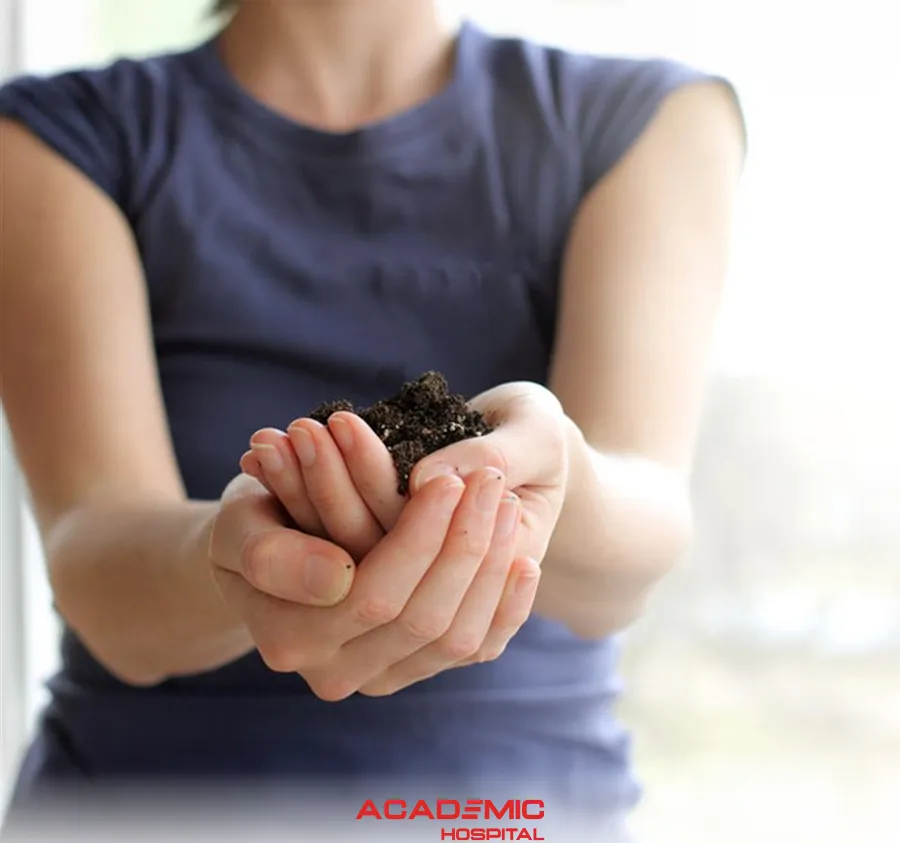
What Is Pica? Symptoms, Causes, Health Risks and Treatment
Contents
Pica is a feeding and eating disorder characterised by repeatedly eating substances that are not food and have no nutritional value.
Examples may include soil, clay, paper, chalk, hair, paint chips or ice. However, putting a non-food object into the mouth does not automatically mean that a person has pica.
Diagnosis takes into account the person's developmental level, how long the behaviour has continued and whether the practice is culturally or socially accepted.
What Is Pica?
Pica refers to persistent consumption of substances that are not normally considered food and provide no nutritional value.
Clinical assessment considers whether:
- Non-food substances have been repeatedly eaten for at least one month
- The behaviour is inappropriate for the person's developmental level
- The practice is not culturally or socially accepted
- If another mental health or developmental condition is present, the pica behaviour is sufficiently significant to require separate clinical attention
Pica can occur during childhood and pregnancy and is also seen more frequently in some people with developmental conditions such as autism spectrum disorder or intellectual disability.
What Substances May Be Eaten?
The substances involved vary considerably between individuals.
Examples include:
- Soil
- Clay
- Chalk
- Paper
- Hair
- Fabric or string
- Sand
- Paint or paint chips
- Ice
Eating soil is known as geophagia, while persistent eating or chewing of ice is known as pagophagia.
What Are the Health Risks of Pica?
The risks depend on what is being consumed, how much is eaten and how long the behaviour continues.
Intestinal Obstruction
Hair, fabric, paper and other indigestible materials may accumulate in the stomach or intestines. In some patients, this can result in gastrointestinal obstruction.
Lead and Other Toxic Exposures
Eating old or unknown paint materials may expose a person to lead or other toxic substances.
Lead exposure in children may not cause obvious symptoms, so blood lead testing may be appropriate when there is a relevant exposure history.
Infections and Parasites
Eating contaminated soil or substances exposed to animal waste may increase exposure to certain parasites and infections.
Nutritional Problems
Some non-food substances can interfere with the absorption of minerals such as iron and zinc. Pica may also occur together with an underlying nutritional deficiency.
Pica should not automatically be dismissed as a harmless habit. Depending on the substance involved, complications can include poisoning, intestinal obstruction, infection and nutritional problems.
What Are the Symptoms of Pica?
The defining feature is repeated consumption of non-food substances.
Depending on what is eaten, associated symptoms may include:
- Abdominal pain
- Constipation
- Nausea
- Abdominal bloating
- Symptoms of intestinal obstruction
- Dental or oral injuries
- Nutritional deficiencies
- Symptoms related to toxic substance exposure
- Certain infections or parasites associated with soil ingestion
Some people have no physical symptoms, and pica may first be identified through family observation, routine clinical assessment or investigation of iron deficiency.
What Causes Pica?
There is no single established cause of pica.
Associated factors may include:
- Iron deficiency: A well-recognised association exists, particularly between iron deficiency and pagophagia.
- Other nutritional deficiencies: Zinc and other micronutrient status may be assessed in selected patients.
- Pregnancy: Pica is reported more frequently during pregnancy.
- Developmental conditions: Pica occurs more frequently in some people with autism spectrum disorder or intellectual disability.
- Certain mental health conditions: Pica can occur alongside other psychiatric disorders.
- Environmental and behavioural factors: Learned behaviour and sensory preferences may contribute in some individuals.
Is Pica Related to Iron Deficiency?
Yes. A recognised association exists between pica and iron deficiency.
Persistent eating or chewing of ice, known as pagophagia, is particularly associated with iron deficiency.
Depending on the clinical situation, assessment may therefore include:
- Complete blood count
- Ferritin
- Additional iron studies when required
If iron deficiency is identified, it is also important to determine why the deficiency has developed rather than treating the laboratory result alone.
How Is Pica Diagnosed?
There is no single blood test or imaging examination that diagnoses pica. Diagnosis is based primarily on clinical history and behavioural assessment.
A clinician may ask:
- Which substances are being eaten
- How long the behaviour has been present
- How frequently and approximately how much is consumed
- Whether the person is pregnant
- About normal dietary intake
- About developmental or mental health conditions
- About possible environmental or toxic exposures
Additional investigations depend on the substances involved and the person's symptoms.
They may include:
- Complete blood count and iron studies
- Zinc or other nutritional assessments when clinically indicated
- Blood lead testing when lead-containing paint or another relevant exposure is possible
- Testing for parasites following relevant soil ingestion
- Imaging if intestinal obstruction or retained foreign material is suspected
How Is Pica Treated?
Treatment is individualised because there is no single approach that is appropriate for everyone.
Correcting Nutritional Deficiencies
If iron, zinc or another nutritional deficiency is identified, appropriate treatment can be prescribed.
Supplements should be based on clinical assessment and laboratory findings rather than being taken at high doses without medical supervision.
Reducing Access to Harmful Substances
Limiting access to paint, contaminated soil, chemicals, metals or other hazardous substances is particularly important in children.
Making the home, school or care environment safer is an important part of management.
Behavioural Approaches
Behavioural assessment and modification strategies may be helpful, particularly when pica occurs alongside a developmental disorder.
Depending on the patient, care may involve Internal Medicine, Paediatrics, Psychiatry, Child and Adolescent Psychiatry, Psychology and Nutrition specialists.
Treating Complications
Lead poisoning, parasitic infection, gastrointestinal injury or intestinal obstruction require specific treatment. Some cases of intestinal obstruction may require surgery.
Pica During Pregnancy
Pica can occur during pregnancy. Unusual cravings may involve substances such as soil, clay, starch or ice.
It is important to tell a healthcare professional about pica during pregnancy because:
- Iron deficiency or anaemia may be present.
- The substance may contain toxic materials.
- Soil and similar materials may carry infectious risks.
- Consumption of non-food substances may interfere with normal nutrition.
Blood tests or other investigations can then be selected according to the substance consumed and the individual's clinical circumstances.
When Should You See a Doctor?
Medical assessment is recommended when a child or adult repeatedly consumes non-food substances.
Assessment is particularly important when:
- The behaviour persists for more than one month
- Soil, paint or potentially toxic substances are being consumed
- There is a persistent urge to eat or chew ice
- Fatigue, pallor or other possible signs of iron deficiency are present
- Pica develops during pregnancy
- A child has an associated developmental or behavioural condition
Severe or worsening abdominal pain, persistent vomiting, marked abdominal swelling, inability to pass stool, difficulty breathing or swallowing, or suspected ingestion of a toxic substance may require urgent medical assessment.
Assess the Cause Behind Pica Behaviour
Repeated consumption of non-food substances can be assessed for iron deficiency, nutritional factors and possible medical complications so that an individual management plan can be developed.
Frequently Asked Questions
References
- Academic Hospital. Pika Sendromu Nedir? Belirtileri Nelerdir? Tedavisi Nasıldır?
- Merck Manual Professional Edition. Pica
- MedlinePlus, U.S. National Library of Medicine. Pica
- Centers for Disease Control and Prevention. Testing for Lead Poisoning in Children
- Ganesan PR, et al. The Association Between Pica and Iron-Deficiency Anemia: A Scoping Review