

 WhatsApp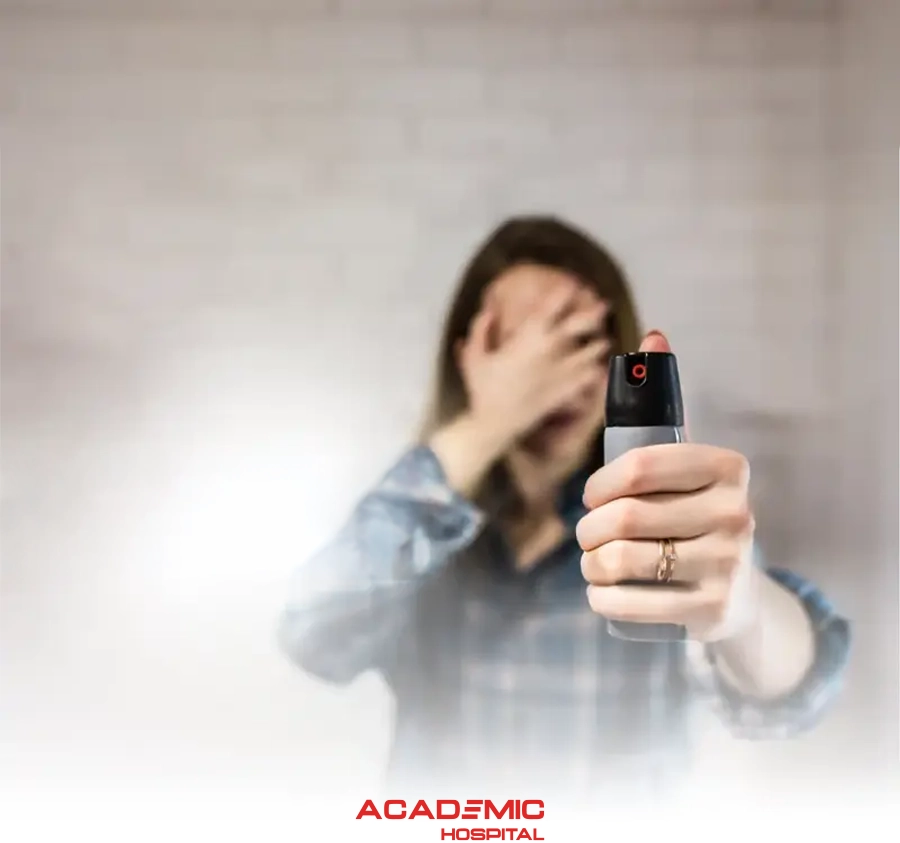
What Are the Health Effects of Pepper Spray?
Contents
Pepper spray is considered among chemical agents that cause tearing and irritation. Its main effect is the rapid onset of burning, irritation and discomfort in the eyes, skin, nose, throat and respiratory tract. Its active effects are associated with capsaicin and related capsaicinoid compounds naturally found in red pepper.
Get Information from Our Specialists for Ongoing Eye, Respiratory or Skin Complaints After Pepper Spray Exposure!
Book an AppointmentWhat Is Pepper Spray?
Pepper spray is a chemical agent that causes intense irritation in tissues it directly contacts. Exposure most commonly occurs through eye contact, inhalation or skin contact. Its effects usually begin within seconds and may cause difficulty opening the eyes, coughing, a feeling of difficulty breathing or a burning sensation on the skin.
What Are the Health Effects of Pepper Spray?
Pepper spray may cause significant irritation when it contacts the eyes, skin and respiratory tract. The severity of the effects varies depending on the amount of exposure, whether the setting is open or enclosed, the duration of contact and the person’s general health condition.
Eye Irritation and Visual Disturbances
Sudden burning, itching, redness, tearing and temporary blurred vision may occur in the eyes. In intense exposure, tear production increases and involuntary closure of the eyelids may occur. In prolonged or intense exposures, medical evaluation may be needed for corneal irritation, damage to the eye surface and infection risk.
Respiratory Problems
When pepper spray is inhaled, it may irritate the nose, throat and lower airways. This may lead to symptoms such as shortness of breath, coughing, chest tightness, a choking sensation and wheezing. In people with asthma or other respiratory diseases, these effects may become more serious and urgent medical care may be required.
Effects on the Skin
When pepper spray contacts the skin, it may cause severe burning, redness, rash, bruising, peeling, blistering, chemical burn-like irritation and swelling. In people with sensitive skin, the effects may last longer. If exposure occurs in an enclosed area, the concentration of the chemical agent may be higher, making skin and respiratory irritation more pronounced.
What Should You Do After Exposure to Pepper Spray?
- Move to fresh air: One of the first steps after exposure is to leave the affected area and get fresh air.
- Rinse the eyes with plenty of water or saline: Irrigation after eye exposure may help reduce irritation. The eyes should not be rubbed.
- Remove contact lenses: If contact lenses are worn, they should be removed after cleaning the hands if possible and should not be reused.
- Remove contaminated clothing: Clothes that came into contact with pepper spray should be removed, and the skin should be rinsed with plenty of water.
- Clean the skin gently: Vigorous rubbing may worsen irritation, so the skin should be cleaned gently with plenty of water.
Although pepper spray can cause serious discomfort in the short term, prolonged exposure or exposure in sensitive individuals may lead to more persistent health problems. Therefore, if symptoms continue or worsen after exposure, medical evaluation is important.
When Should You See a Doctor?
Situations that may require urgent evaluation:
- Shortness of breath, wheezing, chest pain or a choking sensation
- Asthma attack or worsening in a known chronic respiratory disease
- Vision loss, severe eye pain or persistent blurred vision
- Widespread skin blistering, burn-like lesions, marked swelling or persistent severe burning
- Fainting, confusion, or marked weakness in children or older adults
Do Not Delay Complaints After Pepper Spray Exposure
You can receive an evaluation from Academic Hospital specialists for ongoing eye, respiratory or skin complaints.
Frequently Asked Questions
References
The general health information in this article about pepper spray and irritant chemical exposure is supported by the following authoritative health sources.
- Centers for Disease Control and Prevention, "Riot Control Agents", cdc.gov
- Poison Control, "How dangerous is pepper spray?", poison.org
- Mayo Clinic, "Chemical splash in the eye: First aid", mayoclinic.org
- Mayo Clinic, "Chemical burns: First aid", mayoclinic.org