
 WhatsApp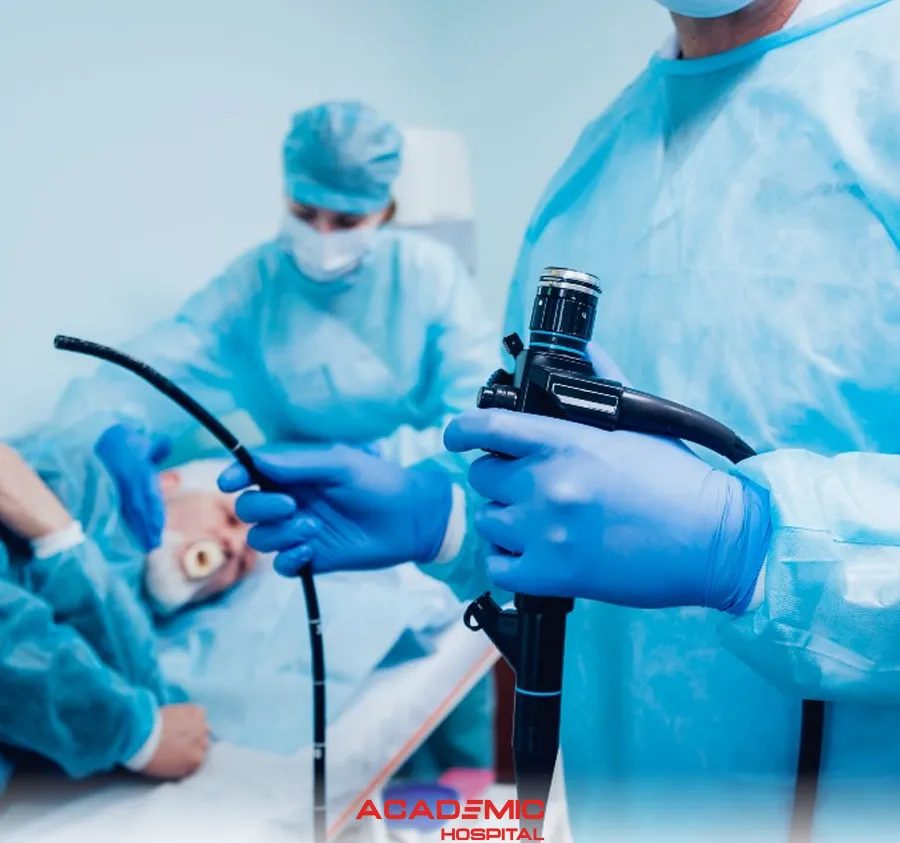
What Is Gastroscopy? Procedure, Indications, Sedation and Recovery
Contents
- What Are Endoscopic Procedures?
- What Is Gastroscopy?
- How Is Gastroscopy Performed?
- Is Sedation Always Required?
- How Should You Prepare?
- How Long Does Gastroscopy Take?
- Why Is Gastroscopy Performed?
- Which Symptoms May Require Investigation?
- Why Is a Biopsy Taken?
- Can Gastroscopy Detect Cancer?
- Can Treatment Be Performed During Gastroscopy?
- What Happens After Gastroscopy?
- What Are the Risks?
- Frequently Asked Questions
What Are Endoscopic Procedures?
Endoscopy is a general term for procedures that use a thin instrument containing a camera to directly examine internal organs and body cavities.
Gastroscopy is used to examine the upper gastrointestinal tract, while colonoscopy is used to examine the large bowel.
Endoscopy can be used both for diagnosis and for therapeutic procedures.
What Is Gastroscopy?
Gastroscopy, also known as upper gastrointestinal endoscopy or esophagogastroduodenoscopy (EGD), is a procedure used to examine the oesophagus, stomach and first part of the duodenum.
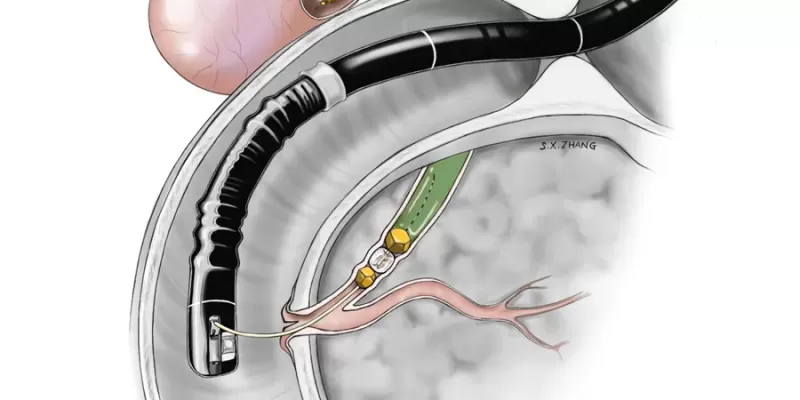
A thin, flexible endoscope containing a camera and light source allows the mucosal surface to be viewed directly.
Inflammation, ulcers, bleeding, narrowing, polyps and suspicious lesions can be identified, and biopsies can be taken when appropriate.
How Is Gastroscopy Performed?
The patient usually lies on the left side. A mouth guard is placed to protect the teeth and endoscope.
The flexible endoscope is passed through the mouth and advanced through the oesophagus, stomach and into the duodenum.
Images are viewed on a monitor. Photographs, biopsies and selected therapeutic procedures may be performed during the same examination.
Is Sedation Always Required?
No.
Gastroscopy may be performed with sedation or, in selected patients, without sedation.
The sedation plan depends on the patient's health, airway and cardiopulmonary risk, procedure complexity and the preferences of the patient and endoscopist.
How Should You Prepare for Gastroscopy?
An empty stomach improves visibility and reduces aspiration risk.
Current ESGE quality standards generally recommend fasting for at least 6 hours for solid food and 2 hours for clear liquids before upper GI endoscopy. Individual instructions may differ depending on medical conditions and sedation.
Inform the clinical team about all medicines, especially anticoagulants, antiplatelet medicines, diabetes medication, insulin and other treatments that may affect the procedure.
Do not stop prescribed medication without medical advice.
How Long Does Gastroscopy Take?
The duration varies according to the purpose and complexity of the procedure.
A straightforward diagnostic examination may be relatively brief, but current quality standards emphasise careful, systematic examination rather than a fixed short procedure time.
ESGE quality measures recommend adequate inspection of the oesophagus, stomach and duodenum, with at least approximately 7 minutes from intubation to extubation as a quality measure for diagnostic examinations.
Biopsy sampling or therapeutic procedures may increase the duration.
If sedation is used, preparation and recovery time mean that the total time spent in the endoscopy unit is longer than the endoscopic examination itself.
Why Is Gastroscopy Performed?
Gastroscopy may be used to investigate:
- Persistent upper abdominal symptoms
- Difficulty or pain when swallowing
- Persistent or recurrent reflux symptoms
- Unexplained persistent vomiting
- Upper gastrointestinal bleeding
- Black, tarry stools
- Iron-deficiency anaemia when an upper GI source is suspected
- Ulcers or suspicious lesions
- Conditions requiring tissue sampling
Which Symptoms May Require Further Investigation?
The decision to perform gastroscopy depends on the patient's age, medical history, symptoms and risk factors.
Features that may prompt further upper GI assessment include:
- Dysphagia
- Gastrointestinal bleeding
- Unexplained weight loss
- Unexplained iron-deficiency anaemia
- Persistent vomiting
- A suspicious lesion identified on imaging
Why Is a Biopsy Taken During Gastroscopy?
Small tissue samples can be obtained from the oesophagus, stomach or duodenum during gastroscopy.
A biopsy does not automatically mean cancer is suspected.
Biopsies may be used to investigate:
- Gastritis and other mucosal changes
- Helicobacter pylori infection
- Coeliac disease
- Barrett's oesophagus
- Ulcers
- Precancerous or malignant changes
Can Gastroscopy Detect Cancer?
Gastroscopy is an important method for investigating suspected oesophageal and gastric cancer.
A suspicious lesion can be viewed directly and sampled during the procedure.
A definitive diagnosis usually depends on pathological examination of biopsy tissue.
Can Treatment Be Performed During Gastroscopy?
Yes.
Depending on the clinical situation, upper endoscopy can be used to:
- Treat gastrointestinal bleeding
- Dilate selected strictures
- Remove some polyps or superficial lesions
- Remove foreign bodies
- Perform selected feeding-tube procedures
What Happens After Gastroscopy?
Mild temporary throat discomfort or bloating can occur after the procedure.
If sedation has been used, the patient is monitored until its effects have sufficiently worn off.
After sedation, patients should not drive, operate machinery or make important legal decisions for the remainder of the day and may require someone to accompany them home.
What Are the Risks of Gastroscopy?
Diagnostic upper GI endoscopy is generally a low-risk procedure.
Rare adverse events include:
- Sedation-related cardiopulmonary complications
- Bleeding
- Perforation
- Aspiration
- Adverse drug reactions
Have Your Digestive Symptoms Assessed
Persistent upper abdominal symptoms, swallowing difficulty, reflux, anaemia or signs of gastrointestinal bleeding can be assessed to determine whether gastroscopy is appropriate.
Frequently Asked Questions
References
- Academic Hospital. Gastroscopy
- American Society for Gastrointestinal Endoscopy. Understanding Upper Endoscopy
- European Society of Gastrointestinal Endoscopy. Performance Measures for Upper Gastrointestinal Endoscopy – Update 2025
- European Society of Gastrointestinal Endoscopy / ESGENA. Sedation for Gastrointestinal Endoscopy Guideline, 2026
- American College of Gastroenterology. Upper GI Endoscopy (EGD)