
 WhatsApp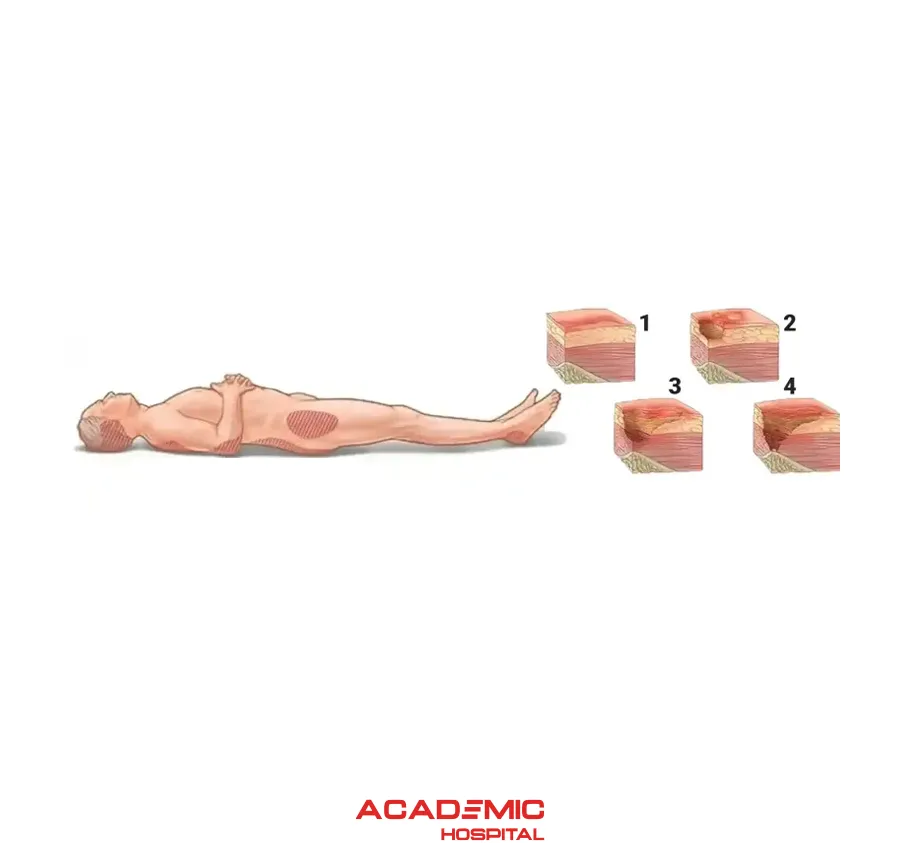
What Is a Pressure Ulcer (Bedsore)?
Contents
- What Is a Pressure Ulcer (Bedsore)?
- What Causes a Pressure Ulcer (Bedsore)?
- Who Gets Pressure Ulcers (Bedsores)?
- Where Do Pressure Ulcers Develop?
- How Long Does It Take for a Bedsore to Develop?
- What Are the Stages of Bedsores?
- What Can Be Done to Prevent Bedsores?
- How Are Bedsores Treated?
- Is It Possible to Dress a Bedsore at Home?
- Frequently Asked Questions
What Is a Pressure Ulcer (Bedsore)?
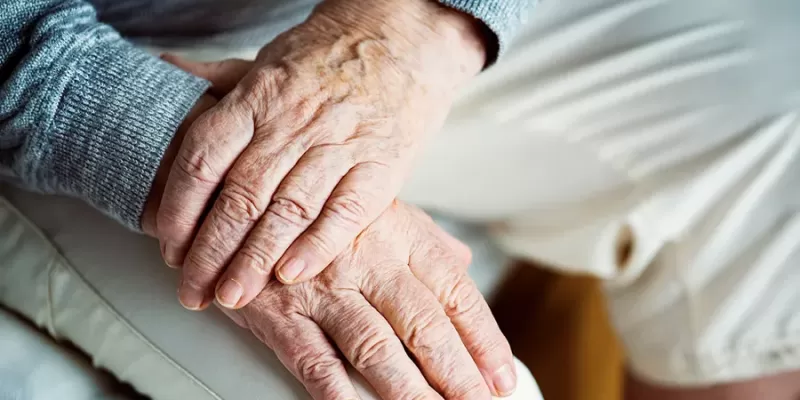
Pressure ulcers are damage that occurs on the skin of people who remain immobile for long periods, such as older adults and individuals who are bedridden after surgery or dependent on a wheelchair. These wounds develop when blood circulation is impaired in skin that remains under continuous pressure.
What Causes a Pressure Ulcer (Bedsore)?
When blood circulation is impaired, blood flow decreases in the area exposed to pressure. As a result, oxygen and nutrients cannot be delivered to the tissue, which leads to skin damage and wound formation.
Long-term immobility, poor blood circulation and moist skin caused by urinary or fecal incontinence increase the risk of developing bedsores.
You can contact us for bedsore evaluation and treatment planning.
Book an AppointmentWho Gets Pressure Ulcers (Bedsores)?
Bedsores occur more often in individuals with limited mobility or those who remain immobile for long periods, such as older adults, patients with paralysis, people recovering after surgery, those who need to stay in bed for a long time and wheelchair-dependent individuals.
Where Do Pressure Ulcers Develop?
They are more commonly seen in areas with bony prominences, especially the back, tailbone, hips, heels and elbows.
How Long Does It Take for a Bedsore to Develop?
A bedsore may develop within a few hours to a few days depending on the person’s mobility and skin sensitivity. In high-risk patients, bedsores may develop within a short time.
What Are the Stages of Bedsores?
Bedsores are classified into four stages.
- Stage 1: The skin surface becomes red, but its integrity is not disrupted. Early intervention at this stage may heal the wound.
- Stage 2: An open wound or blister develops on the skin. The skin surface is damaged and should be protected against infection risk.
- Stage 3: The skin is completely damaged and the wound may extend into the subcutaneous tissue. Inflammation and infection risk increase, and treatment methods should be started.
- Stage 4: The wound may progress to the bone, muscle or tendons. Infections may become very serious at this stage. Treatment methods such as surgical intervention and debridement may be required.
These stages determine treatment methods according to the severity of the wound. Pressure ulcer stages are critical processes that should not be neglected; they are important for regular monitoring of the patient and rapid wound healing.
You can book an appointment for an appropriate care and treatment plan based on the stage of the pressure ulcer.
Book an AppointmentWhat Can Be Done to Prevent Bedsores?
- Position changes: Changing the position of individuals who remain in bed or in a wheelchair at least every 2 hours is one of the most important steps in preventing pressure ulcers.
- Skin care: The skin should be kept clean and dry. If urinary or fecal incontinence is present, the skin should be carefully cleaned and protected.
- Regular skin checks: The skin should be observed regularly, and if redness or irritation is noticed at an early stage, intervention should be made immediately.
- Use of mattresses and cushions: Special pressure-reducing mattresses and cushions reduce body pressure and help prevent wound formation.
- If bedsore formation has started: Regular dressings should be performed and infection risk should be prevented.
How Are Bedsores Treated?
Treatment varies depending on the stage of the wound and the patient’s general health condition. Simple interventions may be sufficient for wounds detected at an early stage, while more intensive treatment methods may be required in advanced stages.
- Reducing pressure: The first and most important step of treatment is to reduce pressure on the wound area. This can be achieved by frequently changing the patient’s position and using special mattresses and cushions.
- Skin cleaning and dressing: The wound area should be kept clean and protected with dressings recommended by the doctor. Dressings are used to prevent infection and accelerate healing.
- Antibiotic treatment: If the wound is infected, antibiotic treatment may be administered by the doctor. Antibiotics may be given orally or intravenously to prevent the spread of infection.
- Debridement (removal of dead tissue): In advanced-stage bedsores, dead tissue accumulated in the wound area should be removed. Debridement is performed by removing dead tissue surgically or mechanically. This procedure accelerates the wound healing process.
- Vacuum therapy (negative pressure wound therapy): One effective method is vacuum therapy. A special device placed over the wound creates negative pressure and accelerates healing. It removes excess fluid from the wound and supports tissue healing by increasing blood circulation.
- Surgical intervention: If the wound has progressed deeply and other treatments are ineffective, surgery may be required. The wound is cleaned, damaged tissues are removed and sometimes closed with skin grafts or flaps.
Is It Possible to Dress a Bedsore at Home?
The dressing process varies depending on the wound stage, infection risk and general condition. For small and early-stage bedsores, home care may be performed with dressing materials recommended by the doctor.
In advanced wounds or situations with high infection risk, care should be carried out under the supervision of a healthcare professional. Regular dressing, keeping the wound clean and using appropriate materials accelerate the healing process.
Book an Appointment for Bedsore Evaluation
Early evaluation, regular dressing and an appropriate treatment plan are important for the healing process in pressure ulcers.
Frequently Asked Questions
References
- Mayo Clinic. Bedsores - Symptoms and causes
- Cleveland Clinic. Pressure Ulcers: Symptoms, Stages & Treatment
- NHS. Pressure ulcers