
 WhatsApp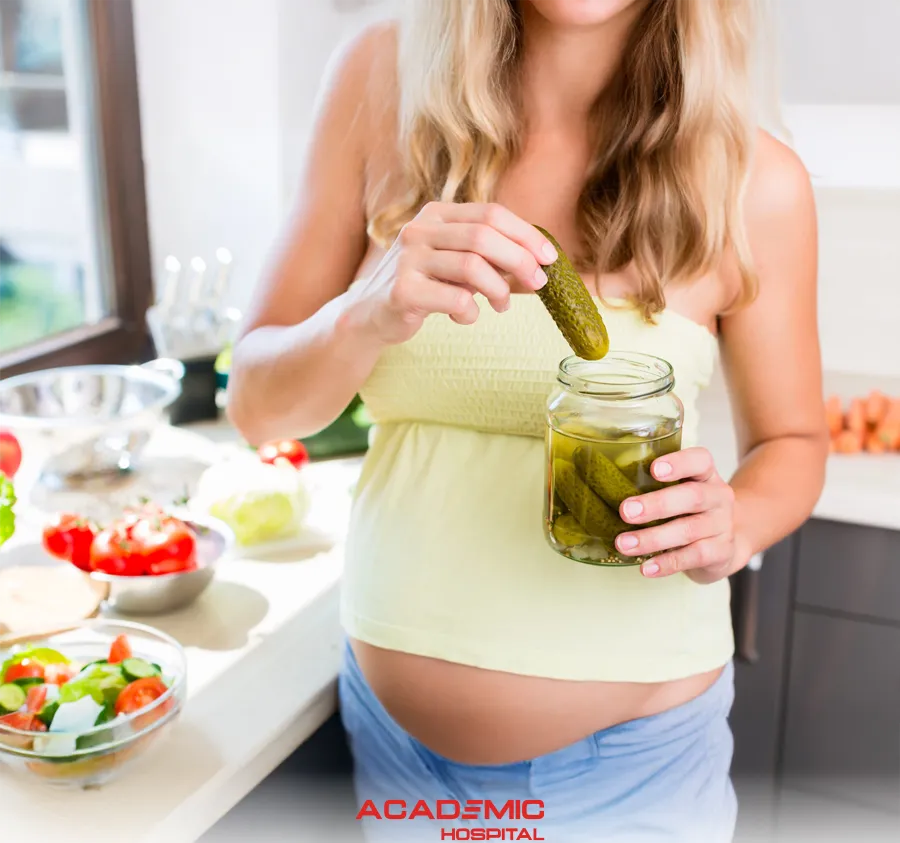
Pregnancy Food Cravings: Why Do They Happen and When Do They Start?
Contents
- What Are Pregnancy Food Cravings?
- When Do Pregnancy Cravings Start?
- Why Do Pregnancy Cravings Happen?
- Does Everyone Have Cravings During Pregnancy?
- Hormonal, Taste and Smell Changes
- Do Cravings Mean You Have a Nutrient Deficiency?
- What Is the Difference Between Cravings and Pica?
- How Can Pregnancy Cravings Be Managed?
- Food Safety During Pregnancy
- When Should You Speak to a Doctor?
- Frequently Asked Questions
Pregnancy food cravings are intense or unusually strong desires for a particular food, drink, flavour or food combination during pregnancy.
Some people experience strong cravings for sweet, sour, salty or very specific foods, while others experience little or no change in their food preferences throughout pregnancy.
The exact cause of pregnancy cravings is not fully understood. Changes in taste and smell, hormonal influences, psychological factors and cultural expectations may all contribute.
Cravings can be a normal part of pregnancy. However, cravings should not replace a balanced diet, and persistent urges to consume non-food substances such as soil, clay or chalk require medical assessment for pica.
What Are Pregnancy Food Cravings?
A craving differs from ordinary hunger because it usually involves a strong desire for a particular food or taste.
A pregnant person may suddenly want a food they rarely ate before pregnancy. The opposite can also occur: previously enjoyed foods may become unpleasant because of changes in taste, smell or nausea. This is known as a food aversion.
The intensity and duration of both cravings and food aversions vary considerably between individuals.
When Do Pregnancy Cravings Start?
There is no single week when pregnancy cravings begin for everyone.
Research suggests that food cravings often become noticeable towards the end of the first trimester, may become more frequent or intense during the second trimester and may decline later in pregnancy.
However, cravings can begin at any stage, continue throughout pregnancy or not occur at all.
Why Do Pregnancy Cravings Happen?
There is no single proven explanation for pregnancy food cravings.
Possible contributing factors include:
- Hormonal changes: Pregnancy-related physiological changes may influence appetite and sensory responses to food.
- Changes in taste and smell: Smells may become more intense, previously enjoyable foods may become unpleasant and other flavours may become more appealing.
- Nausea and food aversions: Particularly in early pregnancy, nausea may influence which foods are easier to tolerate.
- Psychological and emotional factors: Stress, comfort-seeking, learned preferences and emotional associations with certain foods may contribute.
- Cultural and environmental factors: Expectations surrounding pregnancy and particular foods vary considerably between cultures.
No single theory explains all pregnancy cravings.
Does Everyone Have Cravings During Pregnancy?
No. Food cravings are common during pregnancy but do not occur in everyone.
Some people experience strong cravings throughout pregnancy, some notice only mild changes in food preferences and others have no particular cravings.
Not having cravings does not mean that the pregnancy is unhealthy or that the baby is missing a particular nutrient.
Hormonal, Taste and Smell Changes During Pregnancy
Pregnancy is associated with substantial physiological and hormonal changes that can alter appetite and the way foods smell or taste.
A pregnant person may:
- Become more sensitive to particular smells
- Develop an aversion to a previously enjoyed food
- Develop an unusually strong preference for a particular taste
- Tolerate only a limited range of foods during periods of nausea
Cravings and food aversions can therefore occur at the same time.
Do Cravings Mean You Have a Vitamin or Mineral Deficiency?
There is not strong evidence that cravings for ordinary foods reliably identify a specific vitamin or mineral deficiency.
For example:
- Craving meat does not automatically mean iron deficiency.
- Craving dairy does not diagnose calcium deficiency.
- Craving chocolate does not diagnose a particular mineral deficiency.
Nutritional requirements change during pregnancy, including the need for iron and other nutrients, but suspected deficiencies should be assessed through antenatal care, symptoms and laboratory testing when appropriate.
An important exception is a persistent urge to consume non-food substances. In particular, persistent ice eating or chewing can occur as part of pica and may be associated with iron deficiency.
What Is the Difference Between Pregnancy Cravings and Pica?
Ordinary pregnancy food cravings and pica are not the same condition.
With ordinary food cravings, there is an intense desire for edible foods.
Pica involves persistent craving or consumption of non-food or non-nutritive substances such as:
- Soil
- Clay
- Chalk
- Paint or paint chips
- Paper
- Starch
- Ice
Craving soil, clay, chalk, paint, detergent or another non-food substance during pregnancy should not be treated as an ordinary pregnancy craving. Medical assessment may be required for pica, possible iron deficiency and any toxic or infectious risks associated with the substance.
How Can Pregnancy Cravings Be Managed?
If the craved food is safe to eat during pregnancy, it can usually be incorporated in reasonable portions as part of an otherwise balanced diet.
The aim is not necessarily to eliminate cravings but to ensure that they do not replace foods needed for good maternal nutrition.
Consider Portion Size
If cravings mainly involve sweets, chocolate, fried foods, pastries or other energy-dense foods, portion size and overall dietary balance are important.
Choose Nutritious Alternatives
Where appropriate, combine or substitute craved foods with nutrient-dense options that fit within a balanced pregnancy diet.
Maintain Regular Eating Patterns
A regular meal pattern adapted to individual needs can help maintain nutritional balance during pregnancy.
Continue Routine Antenatal Care
Nutritional advice may need to be individualised if there is iron deficiency, gestational diabetes, excessive or inadequate weight gain or another pregnancy-related condition.
Is Every Craved Food Safe During Pregnancy?
No. Craving a particular food does not make it safe during pregnancy.
Normal pregnancy food-safety guidance still applies.
For example:
- Avoid unpasteurised milk and higher-risk products made from unpasteurised milk.
- Avoid raw or inadequately cooked meat, poultry, seafood and eggs.
- Wash fruit and vegetables appropriately.
- Do not consume a food considered unsafe during pregnancy simply because you crave it.
- Alcohol should not be consumed during pregnancy.
There is no special “craving diet” required during pregnancy. A balanced diet should provide a variety of vegetables and fruit, appropriate protein sources, whole grains or other healthy carbohydrate sources and suitable dairy foods or alternatives.
When Should You Speak to a Doctor About Pregnancy Cravings?
Most food cravings can be managed as part of a healthy pregnancy. However, discuss them with your Obstetrics team if:
- You crave soil, clay, chalk, paint, paper or other non-food substances
- You have a persistent urge to eat or chew ice
- Cravings are preventing you from maintaining a balanced diet
- Food aversions prevent adequate nutritional intake
- Vomiting prevents you from keeping food or fluids down
- You have marked fatigue, pallor, dizziness or other possible symptoms of iron deficiency
- You require individual dietary advice because of gestational diabetes or pregnancy weight concerns
Tell your maternity care team if you develop cravings for non-food substances or if cravings and food aversions are preventing adequate nutrition.
Book an AppointmentDiscuss Nutrition and Food Cravings During Pregnancy
Pregnancy cravings, food aversions, possible iron deficiency and healthy nutrition can be assessed according to your individual pregnancy needs.
Frequently Asked Questions
References
- Academic Hospital. Aşerme: Hamilelikte Neden Aşerilir? Her Hamile Aşerir Mi?
- NHS. 5 Weeks Pregnant – Food Cravings
- NHS. Healthy Eating in Pregnancy
- Orloff NC, Hormes JM. Pickles and Ice Cream! Food Cravings in Pregnancy: Hypotheses, Preliminary Evidence, and Directions for Future Research
- Blau LE, et al. Women's Experience and Understanding of Food Cravings in Pregnancy
- U.S. Food and Drug Administration (FDA). Food Safety for Pregnant Women and Their Unborn Babies
- Miao D, et al. A Meta-Analysis of Pica and Micronutrient Status