
 WhatsApp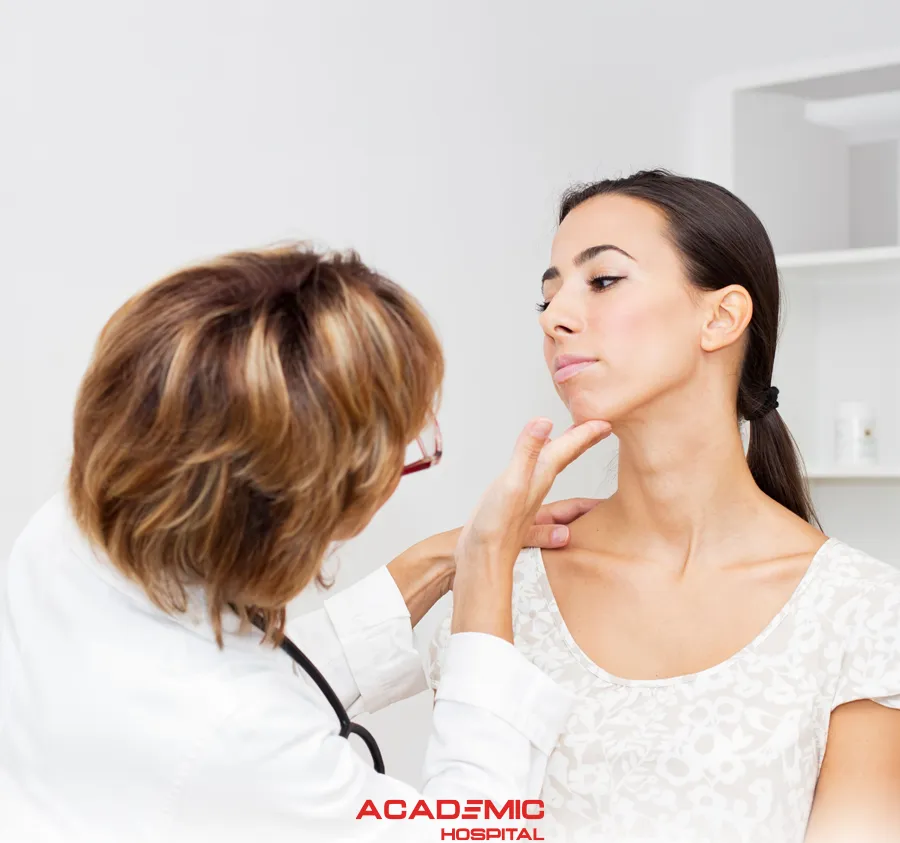
What Is Hashimoto's Disease? Symptoms, Diagnosis and Treatment
Contents
- What Is the Thyroid Gland and What Does It Do?
- What Is Hashimoto's Disease?
- Who Is More Likely to Develop Hashimoto's Disease?
- Is Hashimoto's Disease Hereditary?
- What Are the Symptoms?
- What Is the Relationship Between Hashimoto's Disease and Hypothyroidism?
- How Is Hashimoto's Disease Diagnosed?
- Does Everyone Need a Thyroid Ultrasound?
- How Is Hashimoto's Disease Treated?
- How Is Levothyroxine Taken?
- Hashimoto's Disease and Pregnancy
- What Should You Eat With Hashimoto's Disease?
- Is a Gluten-Free Diet Necessary?
- Are Iodine or Selenium Supplements Necessary?
- When Should You See a Doctor?
- Frequently Asked Questions
Hashimoto's disease, or Hashimoto's thyroiditis, is a chronic autoimmune condition in which the immune system reacts against the thyroid gland.
Over time, damage to thyroid tissue may reduce hormone production and lead to hypothyroidism. However, not everyone with Hashimoto's disease has hypothyroidism when the condition is first diagnosed. Thyroid function can remain normal for many years in some people.
Assessment generally considers symptoms, physical examination, TSH and free T4, and thyroid antibodies.
What Is the Thyroid Gland and What Does It Do?
The thyroid is a small, butterfly-shaped endocrine gland located at the front of the lower neck.
It primarily produces:
- Thyroxine (T4)
- Triiodothyronine (T3)
Thyroid hormones influence how the body uses energy and affect heart function, body temperature, bowel function, muscles, growth and many other organ systems.
Thyroid-stimulating hormone (TSH) is not a thyroid hormone. It is produced by the pituitary gland and regulates how much thyroid hormone the thyroid gland should produce.
What Is Hashimoto's Disease?
Hashimoto's disease is also known as chronic autoimmune thyroiditis or chronic lymphocytic thyroiditis.
Normally, the immune system protects the body against infections and other harmful substances. In autoimmune disease, the immune system mistakenly targets the body's own tissues.
In Hashimoto's disease, the thyroid gland becomes a target of this immune response. Over time, thyroid hormone-producing cells may become damaged and thyroid function may decline.
The disease can remain asymptomatic for a long period. Some people have elevated thyroid antibodies while their thyroid hormone levels remain completely normal.
Who Is More Likely to Develop Hashimoto's Disease?
Hashimoto's disease can affect people of any age and sex but is substantially more common in women.
Risk is also increased in people who:
- Have a family history of thyroid disease
- Have another autoimmune condition
Associated autoimmune disorders may include coeliac disease, type 1 diabetes, rheumatoid arthritis, Sjögren's syndrome and systemic lupus erythematosus.
Is Hashimoto's Disease Hereditary?
Genetic susceptibility plays an important role in Hashimoto's disease, but it is not inherited through one single gene in a simple parent-to-child pattern.
People with close relatives who have Hashimoto's disease, hypothyroidism or another autoimmune disorder may have an increased risk.
A family history does not mean that an individual will inevitably develop the condition.
What Are the Symptoms of Hashimoto's Disease?
Hashimoto's disease may initially cause no symptoms.
As thyroid hormone production decreases, symptoms of hypothyroidism may appear, including:
- Fatigue
- Increased sensitivity to cold
- A tendency to gain weight
- Constipation
- Dry skin
- Dry or thinning hair
- Muscle or joint discomfort
- Difficulty concentrating
- Heavy or irregular menstrual periods
- Fertility problems
- A slower heart rate
These symptoms are not specific to Hashimoto's disease and diagnosis cannot be made from symptoms alone.
What Is the Relationship Between Hashimoto's Disease and Hypothyroidism?
Hashimoto's disease is a cause of thyroid damage; hypothyroidism describes the state in which the thyroid cannot produce enough hormone.
The condition may progress through different stages:
- Euthyroid Hashimoto's: Thyroid antibodies may be present while TSH and free T4 remain normal.
- Subclinical hypothyroidism: TSH is elevated while free T4 may remain within the reference range.
- Overt hypothyroidism: TSH is elevated and free T4 is reduced.
Rarely, thyroid damage early in the disease can temporarily release stored thyroid hormone into the circulation and cause a short hyperthyroid phase sometimes known as hashitoxicosis.
How Is Hashimoto's Disease Diagnosed?
Diagnosis is based on the medical history, examination and laboratory findings.
TSH
TSH is one of the principal first-line tests used to assess thyroid function. In primary hypothyroidism, TSH generally rises as the pituitary attempts to stimulate an underactive thyroid gland.
Free T4
Free T4 is interpreted together with TSH to determine whether thyroid hormone production is adequate and to assess the degree of hypothyroidism.
Anti-TPO Antibodies
Thyroid peroxidase antibodies (anti-TPO) are present in most people with Hashimoto's disease and support the diagnosis of autoimmune thyroid disease.
Thyroglobulin Antibodies
Thyroglobulin antibodies may also be present, although anti-TPO is generally the more important antibody marker in routine Hashimoto's assessment.
Does Everyone With Hashimoto's Disease Need a Thyroid Ultrasound?
No. Thyroid ultrasound is not mandatory for every patient with Hashimoto's disease.
Ultrasound can be particularly useful when:
- The thyroid is enlarged
- A thyroid nodule is suspected
- The structure of the thyroid requires assessment
- Hashimoto's disease is clinically suspected despite negative thyroid antibodies
Ultrasound can show structural changes associated with autoimmune thyroiditis but does not by itself determine whether thyroid hormone production is normal.
How Is Hashimoto's Disease Treated?
Treatment depends primarily on thyroid function.
When Thyroid Function Is Normal
If thyroid antibodies are elevated but TSH and free T4 are normal, levothyroxine treatment is generally not required.
TSH can be monitored periodically because hypothyroidism may develop over time.
Subclinical Hypothyroidism
If TSH is mildly elevated while free T4 remains normal, treatment is not automatically required for every patient.
Decisions may take into account age, TSH level, symptoms, pregnancy or pregnancy plans, cardiovascular health and thyroid antibody status.
Overt Hypothyroidism
When Hashimoto's disease causes overt hypothyroidism, standard treatment is thyroid hormone replacement with levothyroxine.
Most people who develop permanent hypothyroidism as a result of Hashimoto's disease require long-term and often lifelong thyroid hormone replacement.
How Is Levothyroxine Taken?
Levothyroxine is a synthetic form of T4, the main hormone naturally produced by the thyroid gland.
The appropriate dose varies according to factors such as:
- Age
- Body weight
- TSH level
- Cardiovascular health
- Pregnancy
- Other medicines
Levothyroxine is generally taken on an empty stomach under consistent conditions to improve predictable absorption.
Coffee, soy, iron, calcium and some other foods or supplements may interfere with absorption. Patients should therefore follow their clinician's instructions about timing and separation from other medicines or supplements.
Do not increase, reduce or stop levothyroxine on your own. Excessive thyroid hormone replacement can increase the risk of problems such as palpitations, atrial fibrillation and bone loss.
Hashimoto's Disease and Pregnancy
Thyroid hormones are important during pregnancy and for fetal development. People with Hashimoto's disease who are planning pregnancy may benefit from having thyroid function assessed before conception.
Thyroid hormone requirements may change during pregnancy, so TSH and thyroid hormones may need closer monitoring.
If a patient taking levothyroxine becomes pregnant, the medicine should not be stopped or changed without medical advice.
What Should You Eat With Hashimoto's Disease?
There is no specific “Hashimoto diet” proven to eliminate the autoimmune process or cure Hashimoto's thyroiditis.
A balanced dietary pattern can include:
- Vegetables and fruit
- Adequate protein
- Whole grains when tolerated
- Healthy sources of fat
- Limited highly processed foods
Diet should be individualised according to body weight, diabetes, cholesterol, coeliac disease and other medical conditions.
Is a Gluten-Free Diet Necessary for Hashimoto's Disease?
Hashimoto's disease alone is not an indication for everyone to follow a gluten-free diet.
Hashimoto's disease is associated with an increased likelihood of other autoimmune conditions, including coeliac disease. People with confirmed coeliac disease require a strict gluten-free diet.
However, evidence is currently insufficient to recommend a gluten-free diet for every person with Hashimoto's disease who does not have coeliac disease or another clear indication.
Do You Need to Avoid Broccoli, Cabbage or Cauliflower?
People with Hashimoto's disease do not generally need to completely avoid cruciferous vegetables such as broccoli, cabbage, Brussels sprouts or cauliflower when these foods are consumed in normal portions as part of a balanced diet.
A varied diet is more appropriate than unnecessary long-term food restriction.
Are Iodine or Selenium Supplements Necessary?
Iodine
Iodine is required for thyroid hormone production. However, people with autoimmune thyroid disease may be more sensitive to the adverse effects of excessive iodine intake.
Kelp, dulse and some other seaweed supplements can contain very large amounts of iodine.
High-dose iodine or unregulated “thyroid support” supplements should therefore not be used without medical advice.
Iodine requirements are different during pregnancy, when adequate intake is particularly important. Pregnant patients should discuss their iodine requirements with their healthcare team.
Selenium
Selenium supplementation in Hashimoto's disease continues to be studied. Some studies have reported small reductions in TSH or anti-TPO levels, but the clinical significance and long-term benefit remain uncertain.
Routine high-dose selenium supplementation is therefore not recommended for every person with Hashimoto's disease.
When Should You See a Doctor?
Thyroid assessment may be appropriate if you experience:
- Persistent fatigue
- Significant cold intolerance
- Unexplained changes in weight
- Swelling or enlargement in the neck
- A thyroid lump or nodule
- Menstrual irregularity
- Pregnancy or plans for pregnancy
- A strong family history of thyroid disease
- Another autoimmune condition
Assess Your Thyroid Function Properly
Hashimoto's assessment considers TSH, free T4, thyroid antibodies, symptoms, pregnancy status and imaging findings when clinically indicated.
Frequently Asked Questions
References
- Academic Hospital. Haşimato Hastalığı Nedir? Tanısı Nasıl Konulur? Tedavisi Nasıldır?
- American Thyroid Association. Hashimoto's Thyroiditis
- National Institute of Diabetes and Digestive and Kidney Diseases. Hashimoto's Disease
- National Institute of Diabetes and Digestive and Kidney Diseases. Thyroid Tests
- American Thyroid Association. Hypothyroidism
- American Thyroid Association. Selenium Supplementation in Hashimoto's Thyroiditis