
 WhatsApp
What Is Intubation? What Does an Intubated Patient Mean and How Is It Performed?
Contents
The term intubated, often heard in serious respiratory health problems, refers to a medical practice that becomes especially important in intensive care processes. Intubation is not a disease; it is a life-saving support method.
What Is Intubation?
Intubation is the placement of a tube into the windpipe (trachea) and connection to a ventilator to support breathing when a person cannot breathe adequately on their own.
This procedure is a temporary supportive treatment performed to help keep the patient alive.
What Does an Intubated Patient Mean?
It refers to a patient who cannot maintain life without respiratory support and breathes with the help of a device.
When Is Intubation Needed?
1. Respiratory Failure: Intubation may be required when the lungs cannot take in oxygen or remove carbon dioxide adequately.
2. Severe Lung Diseases:
- Pneumonia
- COPD
- ARDS (Acute Respiratory Distress Syndrome)
In these diseases, breathing may become seriously difficult.
3. Loss of Consciousness / Coma: Unconscious patients may not be able to protect their airway. Therefore, intubation is performed for respiratory safety.
4. Major Surgical Operations: During surgeries performed under general anesthesia, temporary intubation is used to ventilate the patient in a controlled manner.
5. Trauma and Emergencies:
- Head trauma
- Multiple organ injuries
- Severe bleeding
In these situations, intubation may be required to protect vital functions.
6. Heart and Circulatory Problems: In conditions such as cardiac arrest or severe heart failure, oxygen support becomes critical.
The decision to intubate is made quickly and accurately to protect the patient’s life. This procedure is not a “last resort”; when applied early, it is a life-saving intervention.
You can contact us for information about intensive care and respiratory support processes.
Book an AppointmentHow Is Intubation Performed?
Intubation is performed by specialist physicians.
Step-by-Step Intubation Process
1. Preparing the Patient: The patient is placed in an appropriate position. The airway is opened and the necessary equipment is prepared.
2. Sedation and Muscle Relaxants: The aim is to provide patient comfort and make the procedure safe.
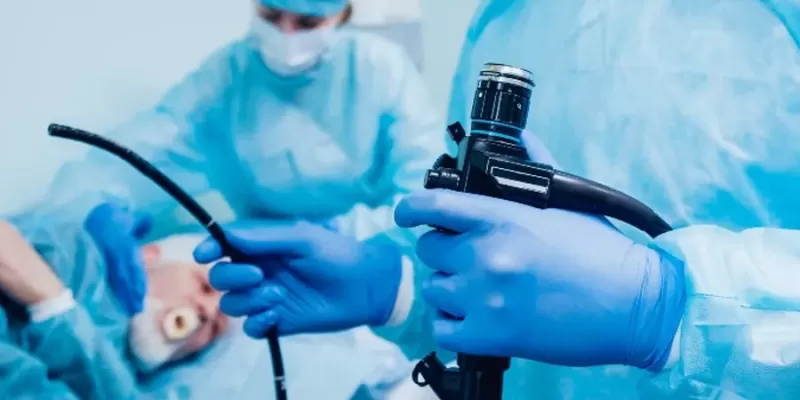
3. Placement of the Tube: The physician enters through the mouth with the help of a special device called a laryngoscope, visualizes the vocal cords and places the endotracheal tube into the windpipe (trachea). When necessary, the tube may be advanced through the nose until it is seen in the mouth, then passed between the vocal cords into the trachea.
4. Checking Correct Placement:
The position of the tube is checked with methods such as:
- Listening to lung sounds
- Observing chest movements
- Measuring oxygen levels
5. Connection to a Ventilator: The tube is connected to a mechanical ventilator, and the patient’s breathing is supported or fully provided by the device.
Intubation is a procedure performed within minutes. When applied by an experienced team, it is safe.
Intensive Care and Respiratory Support Processes
Intubation and mechanical ventilation processes are closely monitored by the intensive care team according to the patient’s condition.
Frequently Asked Questions
References
- MedlinePlus. Endotracheal intubation
- Cleveland Clinic. Intubation: Procedure, Risks & Recovery
- Cleveland Clinic. Mechanical Ventilation
- Merck Manual Professional Edition. Overview of Mechanical Ventilation