

 WhatsApp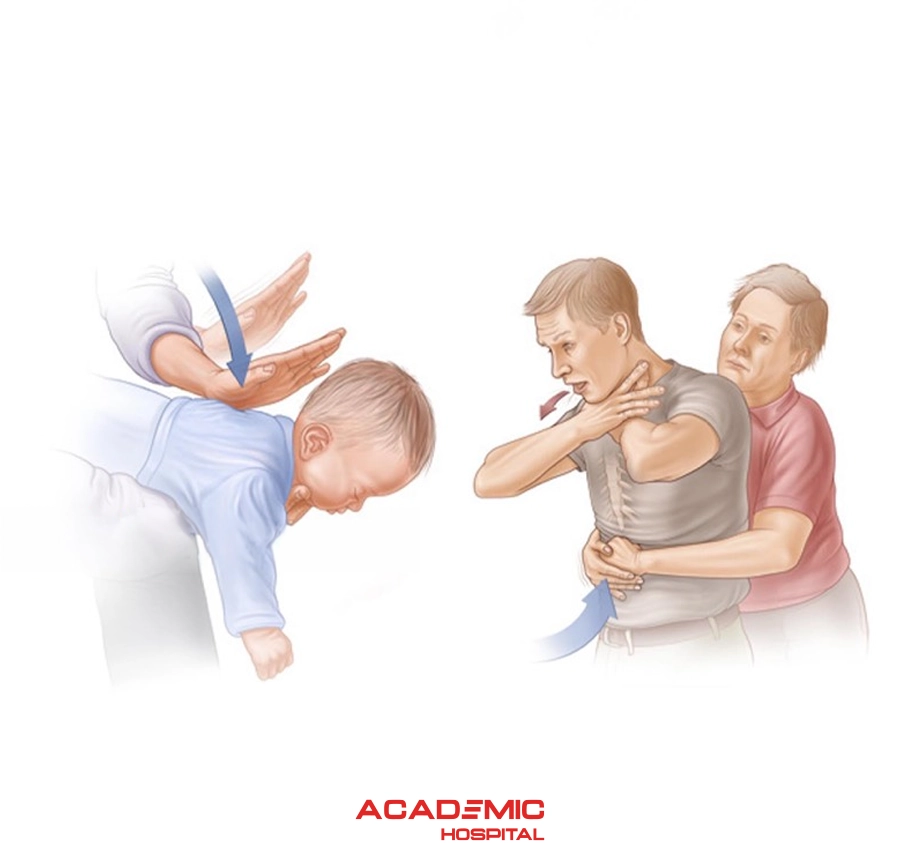
What Is the Heimlich Maneuver? How Is It Performed?
Contents
- What Is the Heimlich Maneuver?
- When Is the Heimlich Maneuver Used?
- Where Can You Get Heimlich Maneuver Training?
- How Is the Heimlich Maneuver Performed?
- What Are the Risks of Performing the Heimlich Maneuver Incorrectly?
- The Heimlich Maneuver in Different Situations and Age Groups
- The Heimlich Maneuver During Pregnancy
- The Heimlich Maneuver in Babies
- Frequently Asked Questions
- References
What Is the Heimlich Maneuver?
The Heimlich maneuver is a life-saving first aid technique used in cases of airway obstruction caused by a foreign object entering the respiratory tract. It helps expel the object blocking the airway and allows the person to regain normal breathing function.
You can get information from our specialists about choking, foreign body aspiration or emergency first aid evaluation.
Book an AppointmentWhen Is the Heimlich Maneuver Used?
It is used when a person’s airway is blocked and the person cannot breathe.
If the person cannot expel the foreign object by coughing and symptoms such as turning blue or being unable to breathe appear, the Heimlich maneuver should be performed. It is a frequently encountered emergency response especially during eating, or when small children swallow toy parts or other small objects and their breathing becomes obstructed.
Where Can You Get Heimlich Maneuver Training?
You can attend various first aid courses to learn the Heimlich maneuver. These courses are generally organized by hospitals, healthcare institutions or municipalities.
How Is the Heimlich Maneuver Performed?
To perform the Heimlich maneuver, first stand behind the person and wrap your arms around their waist. The person with the obstructing object should stand and lean slightly forward. The thumb side of one fist is placed just above the person’s belly button and below the ribs. The other hand is then placed over this fist. In this position, five quick and forceful inward and upward thrusts are applied. This movement helps raise the diaphragm and expel the foreign object blocking the airway. If the foreign object does not come out, the movement may be repeated several times. When performed correctly, the Heimlich maneuver is an effective rescue method and can be life-saving in emergencies.
The Heimlich maneuver is a first aid method that should be performed differently depending on age and physical condition. Considering special situations such as pregnancy, babies and children, correct application of the maneuver is vitally important.
Do Not Lose Time in Emergencies
Emergency medical support should be obtained in situations such as airway obstruction, loss of consciousness, bluish discoloration or inability to breathe.
What Are the Risks of Performing the Heimlich Maneuver Incorrectly?
Incorrect applications may lead to risks such as rib fractures, internal organ injuries and worsening of the obstruction.
Applying excessive force in particular may cause ribs to break and these fractures may damage internal organs. In addition, if pressure is applied to the wrong area, organs such as the stomach, liver or spleen may be injured. An incorrect application may worsen the airway obstruction by pushing the foreign object deeper. Therefore, learning and applying the Heimlich maneuver correctly is of vital importance.
The Heimlich Maneuver in Different Situations and Age Groups
The maneuver is performed differently depending on the person’s age, physical condition and special circumstances.
The Heimlich Maneuver During Pregnancy
When applying the Heimlich maneuver to pregnant women, the technique should be modified because applying pressure to the abdominal area may be risky. The maneuver is applied over the breastbone.
The Heimlich Maneuver in Babies
In babies, the maneuver is performed as back blows and chest thrusts. First, the baby is placed face down on the forearm with the head lower than the body, and five firm back blows are given. If the foreign object does not come out, the baby is turned face up and five chest thrusts are applied with two fingers to the center of the chest. This procedure is highly effective in relieving airway obstruction. However, care must be taken and the force of the pressure should be adjusted so that it does not harm the baby’s delicate body.
Remember, a correctly performed Heimlich maneuver can save a person’s life.
Frequently Asked Questions
References
The general information in this article about the Heimlich maneuver, choking first aid in adults, chest-thrust approach during pregnancy and back-blow/chest-thrust approach in infants is supported by the following reliable health sources.
- Mayo Clinic, "Choking: First aid", mayoclinic.org
- Mayo Clinic, "Foreign object swallowed: First aid", mayoclinic.org
- American Red Cross, "Infant Choking: How To Help", redcross.org
- British Red Cross, "Choking first aid advice for an adult", redcross.org.uk