
 WhatsApp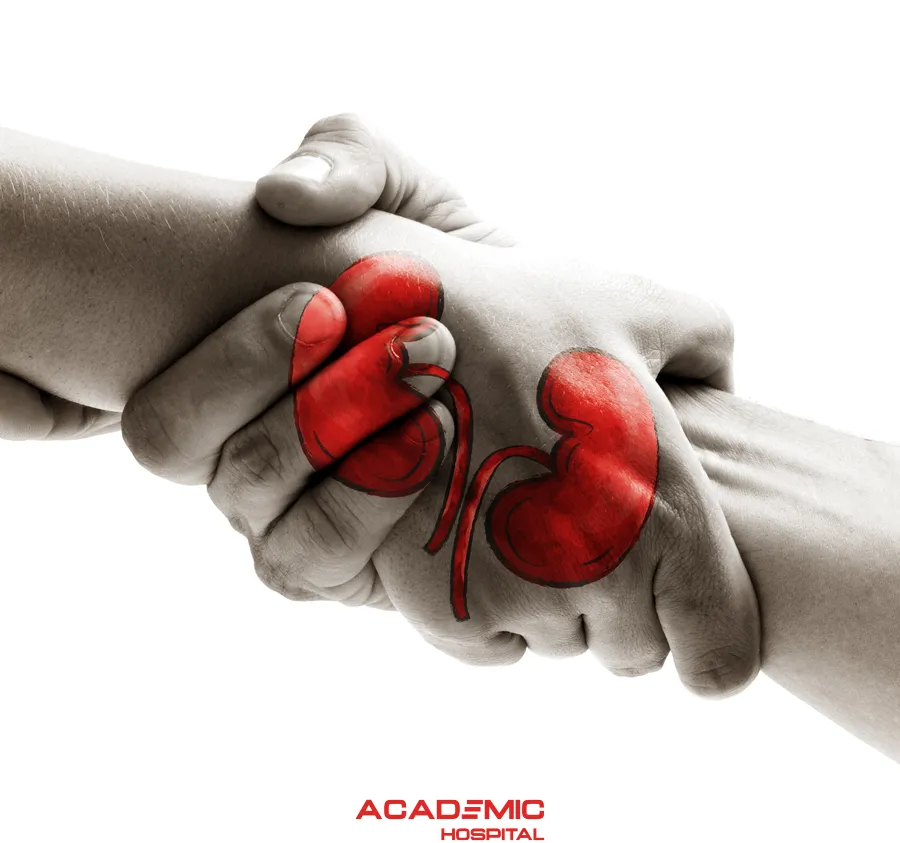
What Is Organ Donation? How to Donate and Which Organs Can Be Donated?
Contents
- What Is Organ Donation?
- How Can Organ Donation Be Registered in Türkiye?
- Who Can Register as an Organ Donor?
- Which Organs and Tissues Can Be Donated?
- Which Organs Can Be Donated by a Living Donor?
- Which Organs Can Be Donated After Death?
- What Is Brain Death?
- Is Brain Death the Same as a Vegetative State?
- Can Family Members Override the Donor's Decision?
- How Are Donated Organs Allocated?
- Can Every Donated Organ Be Used?
- Why Is Organ Donation Important?
- Frequently Asked Questions
Organ donation is a voluntary declaration allowing medically suitable organs or tissues to be used to treat another patient, either during the donor's lifetime or after death.
Organ transplantation can be life-saving or significantly improve quality of life for selected patients with irreversible kidney, liver, heart, lung and other forms of organ failure.
What Is Organ Donation?
Organ donation is a voluntary expression of a person's wish for medically suitable organs or tissues to be transplanted to another patient.
The person providing an organ is called the donor, while the person receiving it is called the recipient.
Donation broadly occurs through:
- Living organ donation
- Donation after death
These processes have different medical and legal requirements.
How Can Organ Donation Be Registered in Türkiye?
In Türkiye, a donation declaration can be made through:
- e-Nabız
- the e-Devlet portal
- healthcare facilities authorised by the Ministry of Health
- provincial and district health directorates
- hospital organ-donation units
- authorised Family Health Centres and similar units
Secure identity-verification methods are used for electronic registration. The declaration can subsequently be changed or withdrawn.
Who Can Register as an Organ Donor?
In Türkiye, people who are 18 years or older and have decision-making capacity can express a wish to donate organs and tissues.
Older age, hypertension, diabetes or another chronic condition does not automatically prevent a person from registering a donation declaration.
Assessment may include organ function, infection, malignancy-related risk, anatomical suitability and expected risks and benefits for the recipient.
Which Organs and Tissues Can Be Donated?
Depending on medical suitability, transplantable solid organs can include:
- Kidneys
- Liver
- Heart
- Lungs
- Pancreas
- Small intestine
Donated tissues can include, where appropriate:
- Corneas
- Bone
- Tendons
- Skin
- Certain tissues such as heart valves
Composite tissue transplantation, including face or limb transplantation, is a specialised field subject to separate requirements.
Which Organs Can Be Donated by a Living Donor?
Living organ donation in Türkiye principally involves:
- One kidney
- A suitable portion of the liver
A carefully selected healthy person can generally live with one kidney, but kidney function and overall health must be assessed thoroughly before donation.
In living-donor liver transplantation, part of the liver can be removed from a suitable donor. The remaining liver in the donor and the transplanted portion in the recipient can subsequently increase in volume.
Living organ donation is not risk-free. Because a healthy person undergoes major surgery without receiving a direct medical benefit, donor safety is the primary consideration. Comprehensive medical, surgical and psychosocial assessment is required.
Which Organs Can Be Donated After Death?
The organs that can be used after death depend on the circumstances of death and medical suitability.
For deceased solid-organ donation in Türkiye, the principal donor pathway is a patient in an intensive-care unit whose brain death has been medically established while circulation is temporarily maintained with intensive-care support.
Potential organs include:
- Heart
- Lungs
- Liver
- Kidneys
- Pancreas
- Small intestine
Donation criteria for corneas and other tissues may differ from those for solid organs.
What Is Brain Death?
Brain death is the complete and irreversible loss of brain and brainstem function.
Brain death is medically recognised as death and is irreversible.
Mechanical ventilation and intensive-care medicines may temporarily maintain circulation and oxygenation, so the heart may continue beating for a limited period. This does not mean that brain function can return.
Brain death is diagnosed independently of organ donation. Death is first established according to medical criteria; donation is considered only afterwards.
Is Brain Death the Same as a Vegetative State?
No.
Brain death and a vegetative state are fundamentally different conditions.
In brain death, brain and brainstem functions have been irreversibly lost and the person is medically dead.
In a vegetative state or another severe disorder of consciousness, some brain functions and spontaneous breathing may continue. Such a patient is therefore not considered a brain-dead organ donor.
Can Family Members Override the Donor's Decision?
Turkish legislation governing organ donation was amended in 2025.
If a person has validly expressed an organ-donation wish during life through the electronic systems or other legally recognised methods, the donor's own expressed decision takes precedence over a conflicting opinion from relatives.
When making an electronic declaration, the donor can also designate people who will be informed about the donation declaration. Donation information is protected and is not disclosed to unauthorised people before brain death is established.
If the deceased left no organ-donation declaration, consent may be sought from relatives in the order specified by Turkish legislation.
How Are Donated Organs Allocated?
The family, an individual doctor or a single hospital does not personally choose the recipient of a deceased-donor organ.
In Türkiye, organ allocation is coordinated through the Ministry of Health's National Coordination System and national waiting lists.
Depending on the organ, relevant factors can include:
- Medical urgency
- Blood-group compatibility
- Tissue or immunological compatibility
- Organ-specific waiting-list and priority criteria
- Size and anatomical compatibility
- The time within which the organ can safely be transported and transplanted
Religion, ethnicity, language, sex or financial status are not allocation criteria.
Can Every Donated Organ Be Used?
No.
A donation declaration records the person's wishes but does not guarantee that every organ will ultimately be transplantable.
Each organ is assessed separately when donation becomes possible. One organ being unsuitable does not necessarily prevent other organs or tissues from being used.
Why Is Organ Donation Important?
For many patients with end-stage organ failure, transplantation can prolong life or substantially improve quality of life.
For example:
- Kidney transplantation may provide an alternative to long-term dialysis for suitable patients.
- Liver transplantation can be life-saving in advanced liver failure.
- Heart or lung transplantation can be an advanced treatment option for selected patients with severe organ failure.
Increasing deceased organ donation can improve the chance that patients on national waiting lists receive a medically suitable organ.
Learn More About Organ Donation
You can obtain information about organ donation, living donation and transplantation from healthcare professionals.
Frequently Asked Questions
References
- Academic Hospital. Organ Bağışı Nedir? Hangi Organlar Bağışlanabilir? Süreci Nasıldır?
- Republic of Türkiye Ministry of Health. Organ Donation Campaign 2025
- Republic of Türkiye Ministry of Health. Online Organ Donation
- Republic of Türkiye Ministry of Health. Law No. 7557 – Amendments Concerning Organ Donation
- Republic of Türkiye Ministry of Health. Organ Donation Information