
 WhatsApp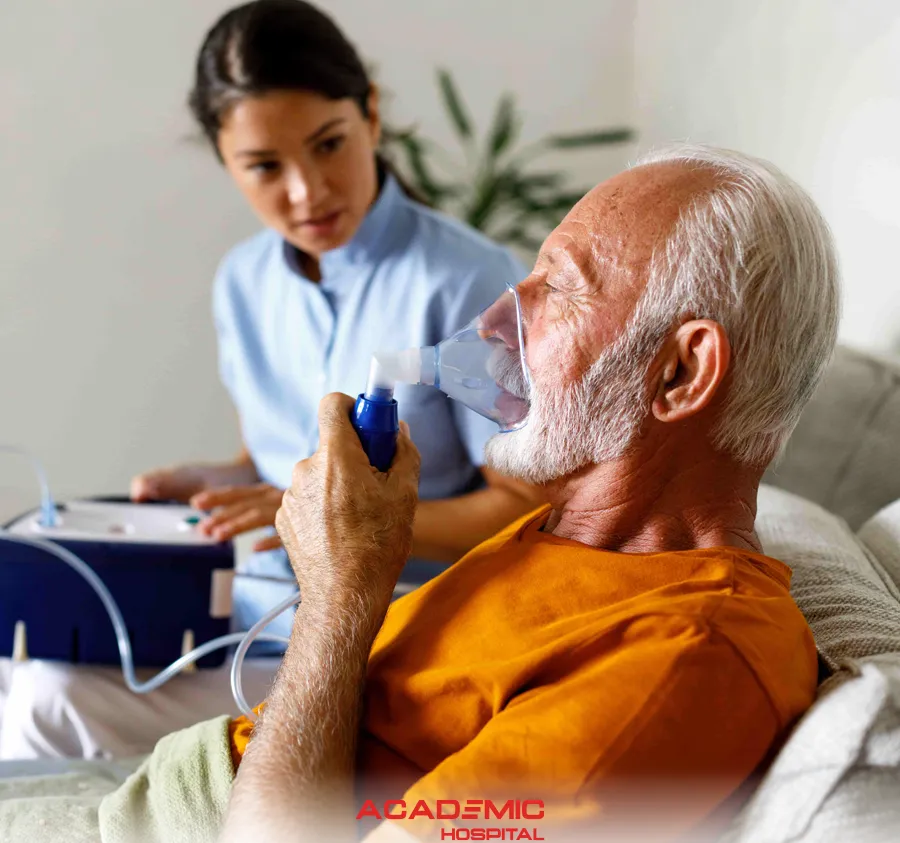
What Is COPD? Symptoms, Causes, Diagnosis and Treatment
Contents
- What Is COPD?
- Chronic Bronchitis and Emphysema
- What Are the Symptoms of COPD?
- What Causes COPD?
- What Are the Risk Factors?
- How Is COPD Diagnosed?
- What Is Spirometry?
- How Is COPD Severity Assessed?
- How Is COPD Treated?
- Why Is Smoking Cessation Important?
- Which Medicines Are Used?
- What Is Pulmonary Rehabilitation?
- When Is Oxygen Therapy Used?
- Why Is Vaccination Important?
- What Is a COPD Exacerbation?
- Advanced Treatments for COPD
- When Should You See a Doctor?
- Frequently Asked Questions
What Is COPD?
Chronic obstructive pulmonary disease (COPD) is a chronic lung condition associated with persistent airflow limitation caused by structural changes in the airways and/or lung tissue.
Small-airway narrowing, inflammation, excess mucus and damage to the air sacs of the lungs can occur in different combinations.
COPD can progress over time, but appropriate treatment, smoking cessation, reduction of harmful exposures, regular physical activity and correct inhaler use can reduce symptoms and exacerbations and improve daily function.
Chronic Bronchitis and Emphysema
COPD was traditionally described as a combination of chronic bronchitis and emphysema. It is now understood as a heterogeneous condition in which different abnormalities can occur together in varying proportions.
Chronic Bronchitis
Chronic bronchitis is characterised clinically by persistent cough and sputum production and may involve airway inflammation and increased mucus production.
Emphysema
Emphysema refers to structural damage and enlargement of the air spaces in the lungs. Loss of elasticity can make it more difficult to empty air from the lungs and can cause air trapping.
What Are the Symptoms of COPD?
- Shortness of breath
- Persistent or recurrent cough
- Sputum production
- Wheezing
- Chest tightness
- Reduced exercise capacity
- Fatigue
- Recurrent respiratory infections
As COPD progresses, everyday tasks such as walking quickly or climbing stairs can become increasingly difficult because of breathlessness.
What Causes COPD?
COPD usually develops through long-term interaction between harmful exposures, lung development and individual susceptibility.
Important causes and exposures include:
- Cigarette smoking and other tobacco products
- Second-hand smoke
- Occupational dusts, fumes and chemicals
- Indoor pollution from biomass fuels
- Outdoor air pollution
What Are the Risk Factors for COPD?
- Long-term tobacco exposure
- Occupational dust and chemical exposure
- Air pollution
- Indoor biomass smoke
- Factors affecting lung growth during childhood
- Prematurity and other early-life factors
- Some severe or recurrent childhood respiratory infections
- Asthma and airway hyperresponsiveness
- Alpha-1 antitrypsin deficiency
How Is COPD Diagnosed?
COPD should be considered in people with chronic breathlessness, cough or sputum production, recurrent lower respiratory infections or relevant risk-factor exposure.
Assessment can include:
- Medical history
- Smoking and occupational exposure history
- Physical examination
- Spirometry
- Chest X-ray when appropriate
- CT in selected patients
- Oxygen saturation or arterial blood gases when indicated
- Alpha-1 antitrypsin testing when appropriate
A chest X-ray or CT scan does not independently establish the diagnosis of COPD.
What Is Spirometry?
Spirometry measures how much air a person can exhale and how quickly it can be expelled.
- FEV1: The amount of air forcibly exhaled in the first second
- FVC: The total amount of air forcibly exhaled after a full breath
- FEV1/FVC: A ratio used to assess airflow obstruction
How Is COPD Severity Assessed?
COPD assessment is not based on FEV1 alone.
Clinicians also consider:
- Severity of breathlessness
- Impact on daily life
- Previous exacerbations
- Previous hospitalisations
- Biomarkers such as blood eosinophils when relevant
- Associated conditions such as cardiovascular disease, osteoporosis, anxiety and depression
How Is COPD Treated?
Established structural lung damage may not be fully reversible, but appropriate management can reduce symptoms, improve activity levels and lower the risk of exacerbations.
Treatment can include:
- Smoking cessation
- Reduction of harmful environmental and occupational exposures
- Appropriate inhaled medicines
- Correct inhaler technique
- Regular physical activity
- Pulmonary rehabilitation
- Appropriate vaccination
- Prevention and early treatment of exacerbations
- Oxygen or advanced treatments in selected patients
Why Is Smoking Cessation Important?
For people with COPD who smoke, stopping smoking is one of the most important parts of treatment.
Smoking cessation can slow loss of lung function, improve respiratory symptoms and reduce health risks even after many years of tobacco use.
Which Medicines Are Used for COPD?
Bronchodilators are central to pharmacological treatment of COPD.
Long-acting treatment may include:
- Long-acting beta-2 agonists (LABA)
- Long-acting muscarinic antagonists (LAMA)
- LABA + LAMA combinations
Inhaled Corticosteroids
Inhaled corticosteroids are not routinely required for everyone with COPD.
They may be used together with bronchodilators in selected patients according to exacerbation history, blood eosinophil levels and the presence of asthma.
What Is Pulmonary Rehabilitation?
Pulmonary rehabilitation is a comprehensive programme rather than simply a set of breathing exercises.
It can include:
- Exercise training
- Breathing strategies
- Education
- Nutritional assessment
- Daily activity planning
- Psychosocial support
Pulmonary rehabilitation can improve exercise capacity, breathlessness and quality of life.
When Is Oxygen Therapy Used in COPD?
Long-term oxygen therapy is not automatically required for every person with advanced COPD or breathlessness.
It is primarily considered in appropriately selected patients with chronic severe resting hypoxaemia.
Oxygen saturation, arterial blood gases and the overall clinical condition should be assessed before long-term oxygen is prescribed.
Why Is Vaccination Important in COPD?
Respiratory infections are an important cause of COPD exacerbations.
Depending on age, health status and local vaccination recommendations, vaccination may include:
- Seasonal influenza vaccination
- Pneumococcal vaccination
- COVID-19 vaccination
- Other age- or risk-appropriate adult vaccines
What Is a COPD Exacerbation?
A COPD exacerbation is an acute worsening of breathlessness, cough and/or sputum beyond the person's usual day-to-day variation.
Symptoms may include:
- Increasing breathlessness
- More frequent cough
- Changes in sputum amount or characteristics
- Increased wheezing
- Reduced ability to perform daily activities
Treatment may include short-acting bronchodilators and, in selected patients, short courses of systemic corticosteroids or antibiotics following medical assessment.
Rapidly worsening breathlessness, inability to speak because of respiratory distress, confusion, chest pain or blue discoloration of the lips or fingers requires urgent medical assessment.
Advanced Treatments for COPD
Selected patients with severe symptoms despite optimal treatment may be assessed for more advanced interventions.
These can include:
- Bronchoscopic lung-volume reduction
- Lung-volume reduction surgery
- Bullectomy
- Lung transplantation in highly selected advanced cases
When Should You See a Doctor?
Medical assessment may be appropriate if you have:
- Persistent cough
- Chronic or recurrent sputum production
- Breathlessness during activity
- Wheezing
- Frequent respiratory infections
This is particularly important in people with a history of tobacco use or occupational or environmental exposure.
Have Your Breathing and COPD Risk Assessed
If you have persistent cough, sputum, wheezing or shortness of breath, your lung function and COPD risk can be assessed.
Frequently Asked Questions
References
- Academic Hospital. Chronic Obstructive Pulmonary Disease (COPD)
- Global Initiative for Chronic Obstructive Lung Disease. Global Strategy for Prevention, Diagnosis and Management of COPD – 2026 Report
- Global Initiative for Chronic Obstructive Lung Disease. Spirometry Quick Guide
- World Health Organization. Chronic Obstructive Pulmonary Disease (COPD)
- World Health Organization Europe. Chronic Respiratory Diseases