
 WhatsApp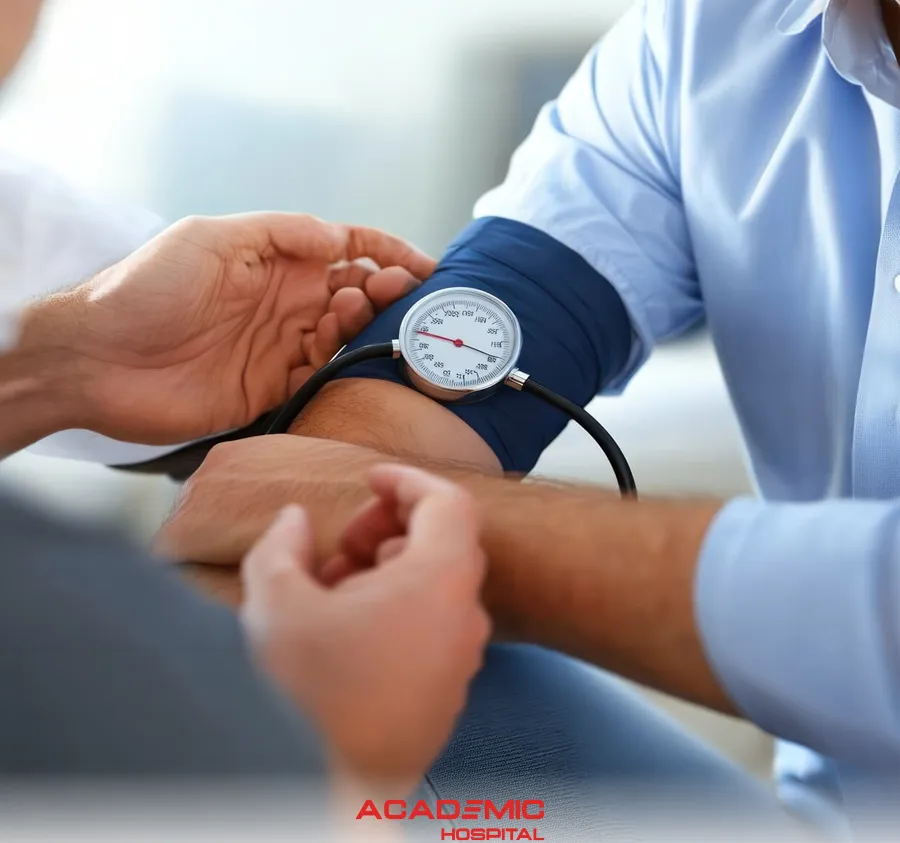
What Is Hypertension? Symptoms, Causes and Treatment
Contents
- What Is Hypertension?
- What Blood Pressure Is Considered Hypertension?
- What Are the Symptoms?
- What Causes Hypertension?
- What Is Secondary Hypertension?
- How Is Hypertension Diagnosed?
- How Should Blood Pressure Be Measured at Home?
- How Is Hypertension Treated?
- What Is the Treatment Target?
- Lifestyle and Blood Pressure Control
- Which Organs Can Hypertension Damage?
- When Is High Blood Pressure an Emergency?
- Frequently Asked Questions
What Is Hypertension?
Hypertension is a condition in which the pressure exerted by blood against the walls of the blood vessels remains persistently elevated.
Blood pressure is expressed using two values:
- Systolic blood pressure: The pressure when the heart contracts and pumps blood.
- Diastolic blood pressure: The pressure while the heart relaxes between beats.
Hypertension can damage the heart, brain, kidneys, blood vessels and eyes over many years without causing obvious symptoms.
What Blood Pressure Is Considered Hypertension?
Blood pressure classifications can vary between guidelines and according to whether blood pressure is measured in the clinic or outside the clinic.
According to the 2024 European Society of Cardiology guidelines, standard office blood pressure is classified as:
- Non-elevated blood pressure: <120/70 mmHg
- Elevated blood pressure: 120–139 mmHg systolic and/or 70–89 mmHg diastolic
- Hypertension: ≥140 mmHg systolic and/or ≥90 mmHg diastolic
For home blood pressure monitoring, an average of ≥135/85 mmHg is consistent with hypertension.
What Are the Symptoms of Hypertension?
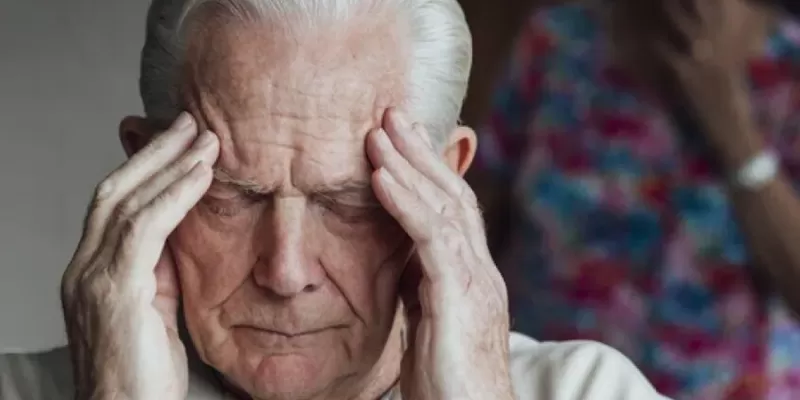
Most people with hypertension have no symptoms.
Headache, dizziness or tinnitus are not sufficiently specific to diagnose hypertension.
Very high blood pressure may sometimes be associated with severe headache, visual changes, chest pain, shortness of breath, nausea, vomiting or confusion.
The reliable way to detect hypertension is to measure blood pressure correctly.
What Causes Hypertension?
In most people, no single underlying disease explains the high blood pressure. This is known as primary or essential hypertension.
Genetic susceptibility and environmental factors can contribute.
Risk factors include older age, family history, excess body weight, high salt intake, physical inactivity, excessive alcohol intake, tobacco use, diabetes, chronic kidney disease and sleep apnoea.
What Is Secondary Hypertension?
Secondary hypertension is high blood pressure caused by an identifiable medical condition, hormonal disorder, medicine or other factor.
Potential causes include kidney disease, renal artery disease, primary aldosteronism, phaeochromocytoma, Cushing syndrome, thyroid disease, obstructive sleep apnoea and certain medicines or substances.
Secondary causes should be considered particularly in unusually young patients, abrupt onset or worsening, very severe hypertension or blood pressure that remains uncontrolled despite multiple medicines.
How Is Hypertension Diagnosed?
Blood pressure should be measured using a standardised technique and usually confirmed with repeated measurements.
Diagnosis can involve:
- Standard office blood pressure measurement
- Home blood pressure monitoring
- 24-hour ambulatory blood pressure monitoring
Out-of-office measurements can also identify white-coat hypertension and masked hypertension.
How Should Blood Pressure Be Measured at Home?
- Use a validated automatic upper-arm monitor.
- Use the correct cuff size.
- Rest quietly for approximately 5 minutes before measurement.
- Sit with the back supported and both feet on the floor.
- Support the arm at heart level.
- Do not talk while the measurement is being taken.
- Follow the monitoring schedule recommended by your healthcare professional.
How Is Hypertension Treated?
Treatment aims to reduce not only blood pressure but also the long-term risk of heart attack, stroke, heart failure, kidney disease and other vascular complications.
Treatment includes lifestyle measures and, when indicated, blood-pressure-lowering medication.
Common first-line drug classes include ACE inhibitors, angiotensin receptor blockers, calcium-channel blockers and thiazide or thiazide-like diuretics.
Beta blockers may be particularly useful when another indication is present, such as coronary artery disease, heart failure or selected arrhythmias.
Many patients require a combination of two or more medicines to achieve adequate blood pressure control.
What Is the Blood Pressure Treatment Target?
Targets should be individualised according to age, other medical conditions, frailty and tolerance of treatment.
The 2024 ESC guidelines recommend a treated systolic blood pressure of 120–129 mmHg for most adults receiving blood-pressure-lowering therapy when this is well tolerated.
A diastolic range of approximately 70–79 mmHg may be targeted in many patients.
More lenient goals can be appropriate in selected patients, including some people aged 85 years or older, those with significant frailty or symptomatic orthostatic hypotension.
Lifestyle and Blood Pressure Control
Important lifestyle measures include reducing salt intake, maintaining a healthy weight, eating a balanced diet rich in vegetables and fruit, remaining physically active, avoiding tobacco, limiting alcohol and taking prescribed medicines regularly.
Blood pressure medication should not be stopped simply because readings have returned to normal. Normal readings often indicate that the treatment is working.
Which Organs Can Hypertension Damage?
Long-term uncontrolled hypertension can affect multiple organs.
- Heart: Coronary artery disease, myocardial infarction and heart failure
- Brain: Ischaemic or haemorrhagic stroke
- Kidneys: Chronic kidney disease and loss of kidney function
- Blood vessels: Peripheral vascular and aortic disease
- Eyes: Hypertensive retinal damage
When Is High Blood Pressure an Emergency?
Blood pressure around 180/120 mmHg or higher accompanied by any of the following requires urgent medical assessment:
- Chest pain
- Severe shortness of breath
- New speech difficulty
- Weakness or numbness of the face, arm or leg
- Altered consciousness
- Sudden significant visual change
- Severe unusual headache
- Seizure
Hypertension Can Progress Without Symptoms
Regular blood pressure monitoring, cardiovascular risk assessment and appropriate treatment can help reduce the risk of heart, brain and kidney complications.
Frequently Asked Questions
References
- Academic Hospital. Hypertension
- European Society of Cardiology. 2024 ESC Guidelines for the Management of Elevated Blood Pressure and Hypertension
- European Heart Journal. 2024 ESC Guidelines for the Management of Elevated Blood Pressure and Hypertension
- World Health Organization. Hypertension