
 WhatsApp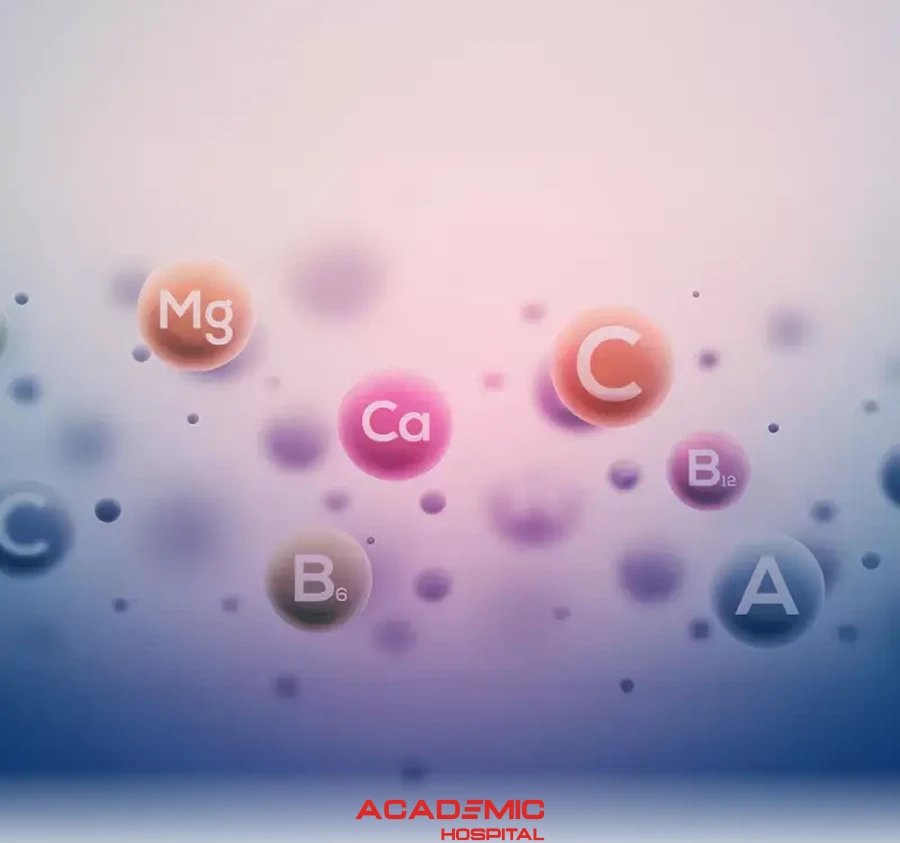
What Is Vitamin and Mineral Deficiency? Symptoms and Common Deficiencies
Contents
Modern lifestyle, a busy schedule, irregular nutrition and stress… All these factors can create a basis for vitamin and mineral deficiencies without being noticed.
Vitamins and minerals are micronutrients that are vital for the healthy functioning of the body. However, the deterioration of eating habits and increased stress today are making deficiencies of these important components more common.
What Is Vitamin and Mineral Deficiency?
Vitamin and mineral deficiency is a condition in which the body cannot get enough micronutrients it needs or cannot use them properly. Vitamins and minerals play roles in many vital processes, from the immune system to the nervous system, skin health and energy production. Therefore, their deficiencies may appear with different symptoms in the body.
Vitamin and mineral deficiency is the body’s “balance is being disrupted” signal and should be recognized and evaluated early.
If vitamin or mineral deficiency is suspected, you can contact us for evaluation and necessary tests.
Book an AppointmentWhat Are the Most Common Vitamin and Mineral Deficiencies? What Are Their Effects?
Vitamin D Deficiency
It is one of the most common problems today. Long-term deficiency may negatively affect bone health and increase the risk of osteoporosis.
- Muscle and bone pain
- Persistent fatigue
- Depressive mood
- Weakening of the immune system
Vitamin B12 Deficiency
It is common in vegetarians and older adults. It may cause nervous system damage and anemia.
- Forgetfulness and loss of concentration
- Dizziness
- Numbness in the hands and feet
- Weakness
Magnesium Deficiency
Magnesium deficiency should not be seen only as a “minor mineral deficiency”; it may affect the muscles, nervous system and energy metabolism. Especially when eye twitching, muscle twitching and stress occur together, evaluation may be needed.
Iron Deficiency
It is one of the most common nutritional deficiencies. Iron deficiency anemia may develop.
- Pale skin
- Shortness of breath
- Easy fatigue
- Hair loss
Vitamin C Deficiency
Vitamin C is critical for the immune system. Severe deficiency may cause scurvy.
- Frequent illness and frequent infections
- Gum bleeding
- Slow wound healing
- Pale skin
Vitamin A and Vitamin E Deficiency
Vitamin A (retinol) deficiency may progress to vision problems.
- Night vision problems
- Dry skin
- Dry eyes
Vitamin E deficiency may negatively affect nervous system functions.
- Muscle weakness
- Balance problems
Zinc Deficiency
It may weaken the immune system and reduce the body’s resistance to infections.
- Frequent illness
- Slow wound healing
- Hair loss
- Reduced sense of taste and smell
- Skin problems such as acne or dryness
How Can Vitamin and Mineral Deficiency Be Understood by Symptoms?
| Symptom | Possible Deficiency |
|---|---|
| Persistent fatigue | Vitamin D, B12, iron |
| Forgetfulness | B12 |
| Hair loss | Iron, zinc |
| Muscle pain | Vitamin D |
| Frequent illness | Vitamin D, vitamin C, zinc |
| Low immunity | Vitamins C and D |
Can I Take Vitamins or Minerals on My Own?
Although vitamin and mineral supplements may be perceived as “harmless,” they may cause more harm than benefit when used in incorrect doses or unnecessarily. Long-term supplement use without a doctor’s recommendation is not advised.
Before using supplements, you can receive evaluation to learn the cause of the deficiency and the appropriate dose.
Book an AppointmentWhen Should You See a Doctor?
- If you have a special condition such as pregnancy, breastfeeding or chronic disease
- If your complaints have been continuing for a long time, especially fatigue or weakness lasting for weeks
- If your daily quality of life has started to be affected, such as difficulty focusing at work or constant sleepiness
- If symptoms such as hair loss, forgetfulness or muscle cramps are increasing
- If your complaints do not improve despite adjusting your diet
- If you do not benefit despite using vitamin supplements on your own
- If multiple symptoms are present at the same time, you should consult a specialist without delay.
Although vitamin and mineral deficiencies often begin with mild symptoms, in some cases they may be a sign of more serious underlying health problems.
Get Evaluated for Vitamin and Mineral Deficiency
In complaints such as persistent fatigue, weakness, hair loss, forgetfulness or muscle cramps, evaluating deficiencies and underlying causes is important.
Frequently Asked Questions
References
- MedlinePlus. Vitamins
- MedlinePlus. Minerals
- Mayo Clinic. Vitamin deficiency anemia - Symptoms and causes
- Mayo Clinic. Iron deficiency anemia - Symptoms and causes