
 WhatsApp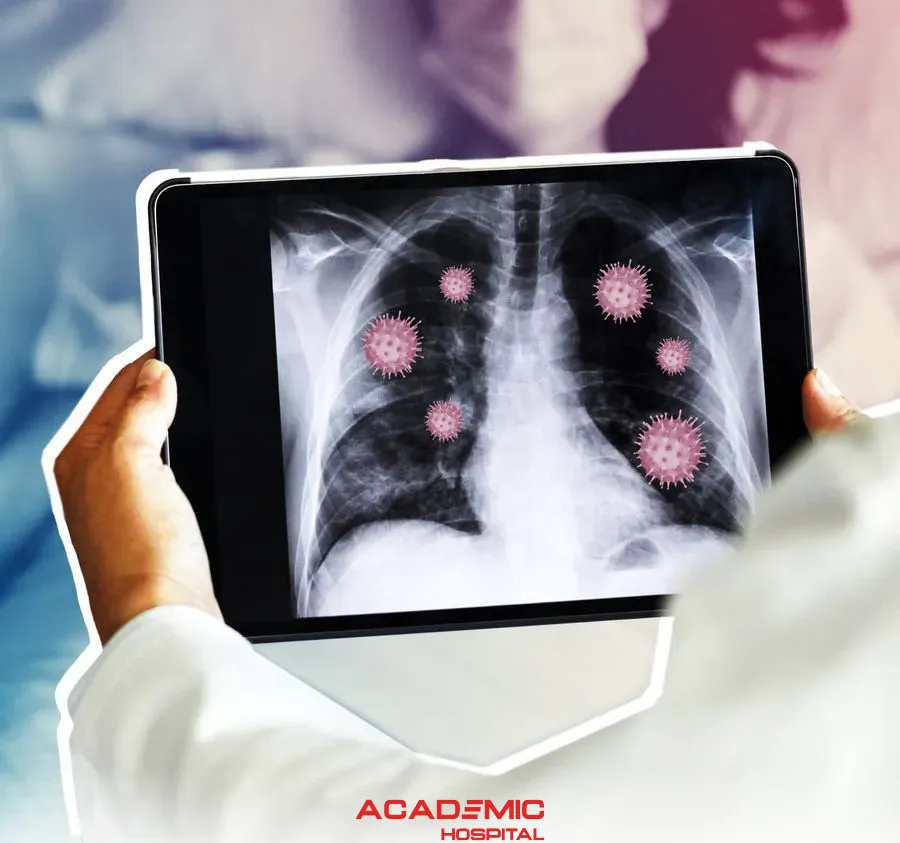
What Is Pneumonia? Symptoms, Causes, Diagnosis and Treatment
Contents
- What Is Pneumonia?
- What Causes Pneumonia?
- Who Is at Increased Risk?
- What Are the Symptoms?
- Can Symptoms Be Different in Older Adults?
- What Can Be Confused With Pneumonia?
- How Is Pneumonia Diagnosed?
- How Is Pneumonia Treated?
- Does Every Patient Need Antibiotics?
- When Is Hospitalisation Required?
- How Can Pneumonia Be Prevented?
- Is There a Vaccine Against Pneumonia?
- Which Symptoms Require Urgent Care?
- Frequently Asked Questions
What Is Pneumonia?
Pneumonia is an infection of the lung tissue. During pneumonia, the air sacs in the lungs may fill with fluid and inflammatory material, which can interfere with oxygen exchange and cause cough, fever, shortness of breath and chest pain.
Pneumonia ranges from mild illness that can be treated at home to severe infection requiring hospital or intensive-care treatment.
What Causes Pneumonia?
Bacterial Pneumonia
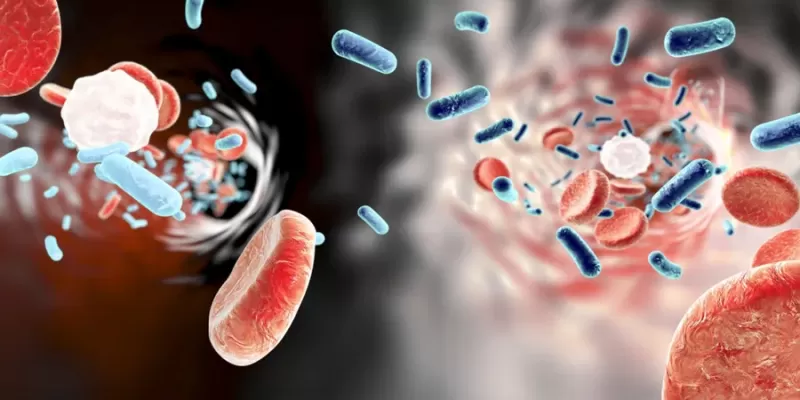
Streptococcus pneumoniae is an important cause of community-acquired bacterial pneumonia. Other bacterial causes include Mycoplasma pneumoniae, Haemophilus influenzae and Legionella species.
Viral Pneumonia
Influenza, SARS-CoV-2, respiratory syncytial virus (RSV), human metapneumovirus, parainfluenza viruses and other respiratory viruses can cause pneumonia.
A secondary bacterial infection can sometimes develop during or after viral infection.
Fungal Pneumonia
Fungal pneumonia is less common and may be particularly important in people with weakened immune systems or certain environmental exposures.
Aspiration Pneumonia
Aspiration of food, fluids, saliva or stomach contents into the airways can contribute to pneumonia, particularly in people with swallowing problems, altered consciousness or certain neurological conditions.
Who Is at Increased Risk of Pneumonia?
Pneumonia can affect people of any age, but the risk of infection or severe disease is increased in:
- Older adults
- Infants and young children
- People with chronic lung disease
- People with cardiovascular disease
- People with diabetes
- People with chronic kidney or liver disease
- People with weakened immune systems
- People who smoke
- People at increased risk of aspiration
Respiratory infections often circulate more widely during colder seasons, but cold weather itself does not directly cause pneumonia.
What Are the Symptoms of Pneumonia?
Symptoms vary according to age, cause, severity and underlying health conditions.
- Cough
- Sputum production
- Fever or chills
- Shortness of breath
- Rapid breathing
- Chest pain that worsens with breathing or coughing
- Fatigue or weakness
- Loss of appetite
- Nausea, vomiting or sometimes diarrhoea
Can Pneumonia Symptoms Be Different in Older Adults?
Yes. Older adults may not always develop typical fever, chills or productive cough.
Possible atypical presentations include:
- New confusion
- Increased drowsiness
- Sudden decline in daily function
- Loss of appetite
- Marked weakness
- Falls
What Can Be Confused With Pneumonia?
Symptoms can overlap with:
- Influenza
- COVID-19
- Acute bronchitis
- COPD or asthma exacerbation
- Pulmonary embolism
- Heart failure
- Tuberculosis
Pneumonia cannot be reliably distinguished from influenza or bronchitis simply by the severity of fever, cough or sputum. Clinical examination and, when appropriate, imaging are important.
How Is Pneumonia Diagnosed?
Diagnosis is based on symptoms, medical history, physical examination and appropriate imaging or laboratory tests.
Clinical assessment may include respiratory rate, oxygen saturation, pulse, blood pressure, temperature and chest examination.
Chest X-ray
Chest radiography is commonly used in adults with suspected community-acquired pneumonia to assess for a new pulmonary infiltrate or consolidation.
Computed Tomography
CT is not routinely required for every patient. It may be considered when chest radiography is inconclusive despite strong clinical suspicion or when complications or another diagnosis are being considered.
Laboratory and Microbiological Tests
Blood tests may be performed depending on severity. Sputum culture, blood culture, viral PCR and urinary antigen testing are not routinely required for every outpatient and are selected according to severity, epidemiology and whether the result is likely to alter management.
How Is Pneumonia Treated?
Treatment depends on the likely cause, severity, age and underlying health conditions.
Bacterial Pneumonia
Appropriate antibiotics are used for bacterial community-acquired pneumonia.
Antibiotic selection depends on factors such as comorbidities, severity, recent antibiotic exposure, drug allergies and the risk of resistant organisms.
The duration is not automatically 7–10 days for every patient. In clinically stable adults with uncomplicated community-acquired pneumonia, treatment can often be individualised to a course of at least 5 days. Longer treatment may be needed for specific pathogens, complications or an inadequate clinical response.
Viral Pneumonia
Antibiotics do not directly treat viral pneumonia.
Cause-specific antiviral therapy may be considered for infections such as influenza or COVID-19 depending on the patient's risk factors, timing and clinical circumstances.
Antibiotics may still be required if bacterial coinfection is suspected.
Supportive Treatment
Depending on the patient's condition, treatment may include hydration, rest, appropriate fever or pain control, oxygen for hypoxaemia and intravenous fluids or other supportive care when required.
Does Every Patient With Pneumonia Need Antibiotics?
No. Antibiotics treat bacterial infections and do not directly treat viruses.
However, bacterial and viral pneumonia cannot always be reliably distinguished at the beginning of an illness, so the decision should be made following clinical assessment.
When Is Hospitalisation Required?
Not every patient with pneumonia requires hospital admission.
The decision can take into account:
- Oxygen level
- Severity of respiratory distress
- Blood pressure
- Mental status
- Age
- Comorbidities
- Laboratory and imaging findings
- Ability to safely receive treatment and monitoring at home
Clinical risk tools such as the Pneumonia Severity Index or CURB-65 may also support decision-making.
How Can Pneumonia Be Prevented?
- Keep recommended vaccinations up to date.
- Avoid smoking.
- Maintain good hand hygiene.
- Take appropriate precautions around people with respiratory infections.
- Keep chronic health conditions appropriately managed.
- Assess aspiration risk in people with swallowing difficulties.
Is There a Vaccine Against Pneumonia?
There is no single vaccine that prevents every form of pneumonia.
Pneumococcal vaccines help protect against disease caused by Streptococcus pneumoniae, including pneumococcal pneumonia.
Which pneumococcal vaccine is appropriate depends on age, medical conditions, immune status and previous vaccination history.
Vaccination against influenza, COVID-19 and other respiratory infections may also help reduce specific causes of pneumonia or related complications in appropriate patients.
Which Symptoms Require Urgent Medical Assessment?
- Severe or rapidly worsening shortness of breath
- Blue discoloration of the lips or face
- New confusion or marked drowsiness
- Severe or persistent chest pain
- Fainting or symptoms of very low blood pressure
- Inability to maintain fluid intake
- Rapid deterioration in general condition
Have Possible Pneumonia Symptoms Assessed
If you have cough, fever, sputum, chest pain or shortness of breath, clinical assessment, oxygen measurement and appropriate imaging can be planned.
Frequently Asked Questions
References
- Academic Hospital. Pneumonia
- Centers for Disease Control and Prevention. About Pneumonia
- Centers for Disease Control and Prevention. Risk Factors for Pneumonia
- Metlay JP, et al. ATS/IDSA. Diagnosis and Treatment of Adults with Community-Acquired Pneumonia
- Centers for Disease Control and Prevention. Pneumonia Prevention and Control
- World Health Organization. Pneumonia