
 WhatsApp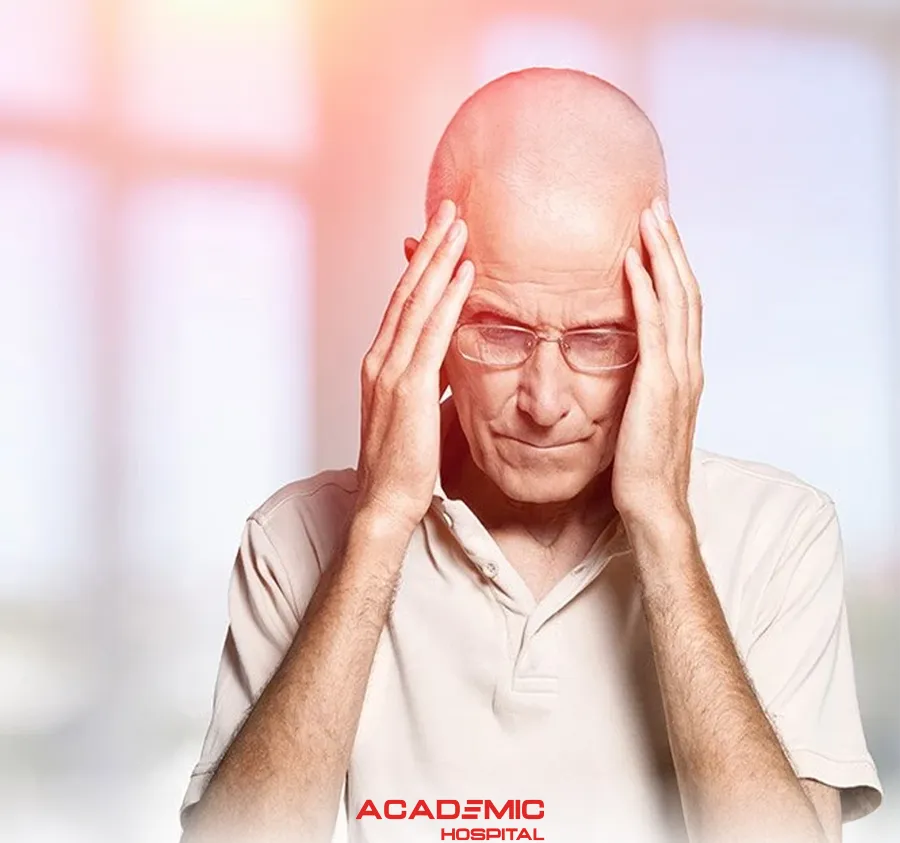
What Is a Stroke? Symptoms, Acute Treatment and Stroke Prevention
Contents
- What Is a Stroke?
- How Common Is Stroke?
- What Are the Types of Stroke?
- What Are the Symptoms of Stroke?
- How Does B.E. F.A.S.T. Help Recognise Stroke?
- What Should You Do if You Suspect a Stroke?
- How Is Acute Ischaemic Stroke Treated?
- What Is a Transient Ischaemic Attack (TIA)?
- What Are the Risk Factors for Stroke?
- How Can Stroke Be Prevented?
- How Can Another Stroke Be Prevented?
- When Are Antiplatelets and Anticoagulants Used?
- Carotid Stenosis and Stroke Risk
- Frequently Asked Questions
A stroke is a neurological emergency that occurs when blood flow to part of the brain is interrupted by a blocked blood vessel or when a blood vessel ruptures and causes bleeding in or around the brain.
Brain tissue requires a continuous supply of oxygen and glucose. When circulation is interrupted, brain cells can begin to become damaged within a short period of time. Rapid recognition, diagnosis and treatment are therefore critical.
If a person suddenly develops facial drooping, weakness or numbness in an arm or leg, difficulty speaking, visual loss, loss of balance or impaired coordination, emergency medical services should be contacted immediately.
Stroke is a medical emergency. Do not wait to see whether the symptoms disappear. Even symptoms that resolve within minutes can represent a transient ischaemic attack and require urgent assessment.
What Is a Stroke?
A stroke is the sudden development of neurological dysfunction as a result of a disturbance in the brain's blood supply.
There are two main mechanisms:
- Ischaemic stroke: Blood flow is reduced or blocked because an artery supplying the brain becomes obstructed, usually by a blood clot.
- Haemorrhagic stroke: A blood vessel ruptures and bleeding occurs within or around the brain.
Ischaemic stroke is the most common type. The type of stroke cannot be reliably determined from symptoms alone, so urgent brain imaging is required.
How Common Is Stroke?
Stroke is a major cause of mortality and long-term disability worldwide.
According to the World Health Organization's December 2025 stroke fact sheet, based on global 2021 data:
- Approximately 11.9 million new strokes occurred in 2021.
- Approximately 93.8 million people were living with stroke.
- Stroke was the third leading cause of death and disability combined worldwide.
- Around 1 in 4 adults is estimated to experience a stroke during their lifetime.
A detailed analysis of Global Burden of Disease 2019 data for Türkiye estimated approximately:
- 125,345 new strokes in 2019
- 1.08 million people living with stroke
- 48,947 stroke-related deaths
These figures refer to 2019 estimates and should not be interpreted as a direct count of the current population.
What Are the Types of Stroke?
Ischaemic Stroke
An ischaemic stroke occurs when an artery supplying the brain becomes blocked.
The clot may:
- Form within an artery in the brain or neck
- Form in the heart and travel to the brain
- Be associated with atherosclerotic plaque
Atrial fibrillation, carotid artery disease, hypertension, diabetes, smoking and elevated cholesterol can contribute to ischaemic stroke risk.
Haemorrhagic Stroke
A haemorrhagic stroke occurs when a blood vessel ruptures and bleeding develops in or around the brain.
Major categories include:
- Intracerebral haemorrhage: Bleeding into brain tissue
- Subarachnoid haemorrhage: Bleeding into the space surrounding the brain
Uncontrolled hypertension is an important risk factor for intracerebral haemorrhage, while vascular abnormalities such as aneurysms can cause some subarachnoid haemorrhages.
What Are the Symptoms of Stroke?
Stroke symptoms generally begin suddenly.
Possible warning signs include:
- Sudden facial drooping or numbness
- Sudden weakness or numbness in an arm or leg, particularly on one side
- Sudden difficulty speaking or understanding speech
- Sudden loss or change of vision in one or both eyes
- Sudden dizziness
- Sudden loss of balance or coordination
- Sudden difficulty walking
A sudden, extremely severe and unusual headache can also occur with some types of brain haemorrhage.
How Does B.E. F.A.S.T. Help Recognise Stroke?
| Letter | Meaning | Warning Sign |
|---|---|---|
| B | Balance | Sudden loss of balance or coordination |
| E | Eyes | Sudden loss or change of vision |
| F | Face | One side of the face droops |
| A | Arm | Sudden arm weakness or numbness |
| S | Speech | Slurred, unusual or difficult speech |
| T | Time | Call emergency medical services immediately. |
Even one of these signs is enough to suspect a stroke.
What Should You Do if You Suspect a Stroke?
- Contact emergency medical services immediately.
- Record the time the symptoms started. If the exact time is unknown, report when the person was last known to be well.
- Keep the person in a safe and comfortable position.
- Use the emergency medical system rather than attempting to drive to hospital when possible.
- Do not give aspirin unless instructed by a healthcare professional.
Do not self-administer aspirin during a suspected stroke. Some strokes are caused by bleeding, and aspirin can make haemorrhagic stroke more severe. Brain imaging is required to determine the type of stroke.
Do Not Wait for a Routine Appointment
New facial drooping, arm weakness, speech difficulty, visual loss or sudden balance problems require emergency medical assessment.
How Is Acute Ischaemic Stroke Treated?
One of the first priorities in hospital is to determine whether the stroke has been caused by blocked blood flow or bleeding.
Assessment may include:
- Neurological examination
- Urgent CT or MRI of the brain
- CT or MR angiography when appropriate
- Advanced perfusion or other imaging in selected patients
Intravenous Thrombolysis
Intravenous thrombolysis is a major treatment for eligible patients with acute ischaemic stroke.
The 2026 American Heart Association/American Stroke Association guideline endorses either alteplase or tenecteplase for eligible patients within the standard 4.5-hour treatment window.
Selected patients with an unknown onset time or presentation between 4.5 and 9 hours may also be considered for thrombolysis when advanced imaging demonstrates appropriate criteria.
Mechanical Thrombectomy
Mechanical thrombectomy is an endovascular procedure in which a catheter is advanced through the blood vessels and a clot blocking a major cerebral artery is removed using specialised devices.
Endovascular thrombectomy is an established treatment for selected patients with acute ischaemic stroke caused by a large-vessel occlusion.
The 2026 guideline expands the evidence supporting thrombectomy in patient groups that were previously less likely to be eligible. In selected basilar artery occlusions, thrombectomy can provide benefit in patients presenting within 24 hours.
Eligibility for thrombolysis and thrombectomy can only be determined following urgent specialist assessment and appropriate imaging.
What Is a Transient Ischaemic Attack (TIA)?
A transient ischaemic attack causes temporary stroke-like neurological symptoms as a result of a short-lived interruption of blood flow to the brain or retina.
The symptoms may completely resolve within a short period, but this does not mean the episode is harmless.
A TIA may:
- Be a warning sign of a future stroke
- Require urgent investigation of its cause
- Be associated with atrial fibrillation, carotid disease or other vascular conditions
If stroke symptoms disappear after a few minutes, emergency assessment is still required. Do not remain at home simply because the symptoms have resolved.
What Are the Risk Factors for Stroke?
Modifiable Risk Factors
- High blood pressure
- Diabetes
- Elevated LDL cholesterol and dyslipidaemia
- Smoking
- Overweight and obesity
- Physical inactivity
- High-sodium and unhealthy dietary patterns
- Harmful alcohol use
- Atrial fibrillation
- Certain cardiac conditions
- Sleep apnoea
- Certain forms of kidney disease
Non-Modifiable Risk Factors
- Increasing age
- A previous stroke or TIA
- Certain genetic and family factors
How Can Stroke Be Prevented?
Prevention should address a person's overall cardiovascular and cerebrovascular risk.
The 2024 AHA/ASA primary prevention guideline emphasises combined management of lifestyle factors, blood pressure, metabolic health and individual risk.
Control Blood Pressure
Hypertension is one of the most important modifiable risk factors for stroke. Appropriate lifestyle measures and antihypertensive treatment when required are central to prevention.
Do Not Smoke
Smoking contributes to vascular injury, atherosclerosis and thrombosis. Smoking cessation reduces cardiovascular and cerebrovascular risk.
Manage Diabetes and Cholesterol
Blood glucose, blood pressure, lipid levels and weight should be managed together according to individual cardiovascular risk.
Follow a Healthy Dietary Pattern
A balanced dietary pattern based on vegetables, fruit, whole grains, appropriate protein sources and healthier fats while limiting excess sodium, saturated fat and highly processed foods can support vascular health.
Mediterranean-style dietary patterns are included in evidence-based stroke-prevention strategies.
Remain Physically Active
For many adults, at least 150 minutes of moderate-intensity aerobic physical activity per week is an appropriate general target. Exercise plans should be adapted to age, mobility and medical conditions.
Identify and Treat Atrial Fibrillation
Atrial fibrillation can allow blood clots to form in the heart and travel to the brain. Anticoagulant therapy can substantially reduce stroke risk in appropriately selected patients.
How Can Another Stroke Be Prevented?
Measures used to reduce the risk of another stroke after a previous stroke or TIA are known as secondary stroke prevention.
Treatment depends on the underlying cause of the previous event.
Assessment may include:
- Brain and neck blood vessels
- Heart rhythm
- Atrial fibrillation
- Carotid stenosis
- Blood pressure
- Cholesterol
- Diabetes
- Smoking and other lifestyle factors
The 2021 AHA/ASA guideline emphasises determining the likely cause of the stroke so that secondary prevention can be targeted appropriately.
When Are Antiplatelets and Anticoagulants Used?
Antiplatelet Medicines
Antiplatelet medicines such as aspirin or clopidogrel may be used to reduce recurrent clot formation after certain non-cardioembolic ischaemic strokes or TIAs.
Short-term dual antiplatelet therapy may be appropriate in selected patients with an early-arriving minor ischaemic stroke or high-risk TIA.
Long-term dual antiplatelet therapy is not routinely recommended for all stroke patients.
Anticoagulant Medicines
Anticoagulation may be appropriate when stroke risk is caused by conditions such as atrial fibrillation.
Combining antiplatelet and anticoagulant therapy is not routinely indicated for most patients and may increase bleeding risk.
Do not start, stop or alter the dose of aspirin, clopidogrel or an anticoagulant without medical advice. The appropriate drug depends on the cause of the stroke and the individual's risk of bleeding.
Carotid Stenosis and Stroke Risk
The carotid arteries are major blood vessels in the neck that supply the brain.
Severe narrowing caused by atherosclerosis can contribute to ischaemic stroke.
Treatment decisions depend on:
- The severity of stenosis
- Whether it has caused neurological symptoms
- Age
- Other medical conditions
- Vascular anatomy
In appropriately selected patients with severe symptomatic carotid stenosis, carotid endarterectomy or, in some cases, carotid artery stenting may be considered.
Not every carotid stenosis requires an intervention. Intensive medical management of vascular risk remains a major component of treatment.
Assess Your Stroke Risk Factors
If you have previously had a stroke or TIA, or have hypertension, atrial fibrillation, carotid stenosis or other vascular risk factors, a Neurology assessment can help guide an individual prevention plan.
Emergency warning: New stroke symptoms require emergency medical services rather than a routine appointment.
Frequently Asked Questions
References
- Academic Hospital. İnme Nedir? İnme Nasıl Önlenir?
- World Health Organization. Stroke – Fact Sheet
- American Heart Association / American Stroke Association. 2026 Guideline for the Early Management of Patients With Acute Ischemic Stroke
- American Heart Association / American Stroke Association. 2024 Guideline for the Primary Prevention of Stroke
- American Heart Association / American Stroke Association. 2021 Guideline for the Prevention of Stroke in Patients With Stroke and Transient Ischemic Attack
- American Stroke Association. Stroke Symptoms and Warning Signs
- American Stroke Association. Aspirin and Stroke
- Topçuoğlu MA. Stroke Epidemiology and Near Future Projection in Turkey: Analysis of Turkey Data from the Global Burden of Disease Study. Turkish Journal of Neurology. 2022;28:200-211.