
 WhatsApp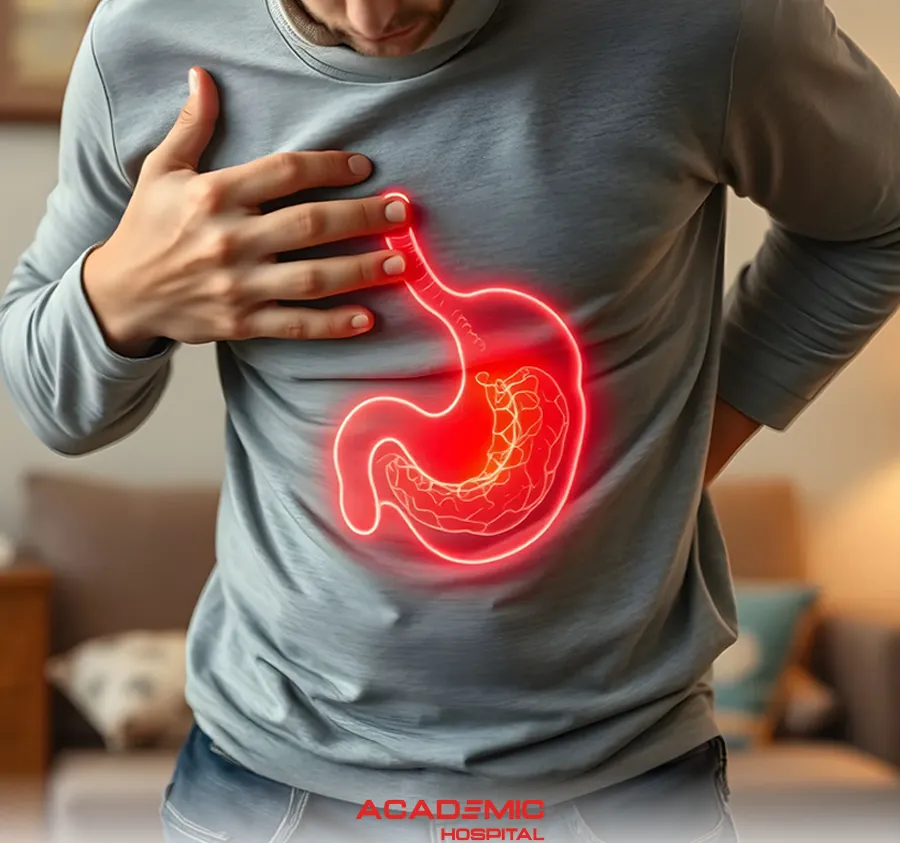
GERD Diet: Foods, Triggers and Eating Habits for Acid Reflux
Contents
- What Is Acid Reflux and GERD?
- What Is a GERD Diet?
- Why Does Diet Matter?
- Which Foods Can Trigger Reflux?
- What Can You Eat With GERD?
- How Should Meals Be Planned?
- How Can Night-Time Reflux Be Reduced?
- Does Weight Loss Help GERD?
- Are Coffee, Chocolate and Spicy Foods Banned?
- How Should You Drink Water With GERD?
- When Should You See a Doctor?
- Frequently Asked Questions
Gastro-oesophageal reflux occurs when stomach contents flow back into the oesophagus. Occasional reflux can occur in healthy people. When reflux causes troublesome symptoms or complications, it is known as gastro-oesophageal reflux disease (GERD/GORD).
Typical symptoms include heartburn and regurgitation of acidic or bitter-tasting stomach contents. Symptoms may become more noticeable after large meals, when lying down or after foods and drinks that trigger symptoms in a particular individual.
Dietary and lifestyle changes can play an important role in symptom control. However, there is no single GERD diet that is suitable for everyone.
What Is Acid Reflux and GERD?
The lower oesophageal sphincter is a muscular barrier between the oesophagus and stomach that helps prevent stomach contents from moving backwards.
If this barrier relaxes or does not function effectively, stomach contents can reflux into the oesophagus.
Typical symptoms may include:
- Heartburn behind the breastbone
- A sour or bitter taste in the mouth
- Regurgitation
- Symptoms after meals
- Symptoms that worsen when lying down or bending forward
Some people also experience chest discomfort, chronic cough, hoarseness or throat symptoms. These symptoms can have many causes and should not automatically be attributed to reflux.
What Is a GERD Diet?
A GERD diet refers to changes in food choices, meal size and meal timing that may help reduce reflux symptoms.
The main aims are to:
- Identify personal trigger foods
- Avoid excessively large or heavy meals
- Avoid eating close to bedtime
- Support healthy weight loss when overweight or obese
- Avoid unnecessary dietary restriction
Rather than following a long universal list of prohibited foods, dietary changes should focus on foods that clearly worsen an individual's symptoms.
Why Does Diet Matter in GERD?
Dietary and lifestyle changes can help reduce heartburn and regurgitation in some people.
Useful measures may include:
- Avoiding meals close to bedtime
- Reducing foods that consistently trigger symptoms
- Losing weight when overweight or obese
- Avoiding very large and high-fat meals when they worsen symptoms
Diet alone is not sufficient treatment for every patient. Depending on the frequency and severity of GERD, medical treatment such as antacids, H2-receptor blockers or proton pump inhibitors may also be required.
Which Foods Can Trigger Acid Reflux?
Foods and drinks commonly associated with worsening GERD symptoms include:
- High-fat and fried foods
- Chocolate
- Coffee and other sources of caffeine
- Mint and peppermint
- Spicy foods
- Tomatoes and some tomato-based foods
- Citrus fruits and juices
- Alcohol
- Carbonated drinks in some people
What Can You Eat With GERD?
There is no particular food that cures GERD or reliably eliminates symptoms in everyone.
Foods that are well tolerated can remain part of a balanced diet, including:
- Vegetables
- Fruits that do not trigger symptoms
- Oats and whole grains
- Legumes
- Lean sources of protein
- Fish and poultry
- Lower-fat dairy products or suitable alternatives
Baking, grilling, steaming or boiling can reduce the amount of added fat compared with deep frying.
Claims that one particular food, such as bananas or oats, “treats reflux” should be avoided because individual tolerance varies.
How Should Meals Be Planned With GERD?
Very large meals can worsen reflux in some people. More moderate portions may therefore be more comfortable.
There is no requirement for every person with GERD to follow an exact schedule such as three main meals and two snacks.
More useful principles include:
- Avoid very large meals
- Reduce very high-fat meals if they trigger symptoms
- Do not lie down immediately after eating
- Avoid large late-night meals
Eating slowly and chewing thoroughly may improve general digestive comfort, although this should not be considered a treatment for GERD on its own.
How Can Night-Time Reflux Be Reduced?
Meal timing is particularly important for people whose reflux becomes worse at night or when lying down.
Measures that may help include:
- Avoiding food for approximately 2–3 hours before bedtime
- Avoiding very large or high-fat evening meals
- Avoiding lying down immediately after eating
- Elevating the head of the bed when night-time symptoms are present
Simply adding several pillows may not provide the same effect as appropriately elevating the upper end of the bed.
Does Weight Loss Help GERD?
Excess body weight, particularly abdominal obesity, can increase pressure around the stomach and contribute to reflux.
For people who are overweight or obese, gradual healthy weight loss can improve GERD symptoms.
Weight management should focus on:
- A balanced diet
- Appropriate portions
- Regular physical activity
- A sustainable rather than highly restrictive diet
People who are already at a healthy weight do not need to lose weight simply because they have GERD.
Are Coffee, Chocolate, Tomatoes and Spicy Foods Completely Banned?
No. There is no strong evidence that every person with GERD needs to permanently eliminate all commonly listed trigger foods.
Coffee, chocolate, mint, tomatoes, citrus foods, spicy foods and high-fat foods may worsen symptoms in some people.
A short food and symptom diary can help identify genuine triggers.
You may record:
- What you ate
- How much you ate
- What time you ate
- How soon you lay down afterwards
- Whether heartburn or regurgitation developed
This can help avoid unnecessary long-term food restriction.
How Should You Drink Water With GERD?
There is no universal medical rule that people with GERD should only drink water between meals.
Fluid requirements depend on age, body size, physical activity, climate and other medical conditions.
If drinking a very large amount with a meal causes uncomfortable fullness or worsens symptoms, fluids can be spread more evenly throughout the day.
However, adequate hydration should not be unnecessarily restricted.
Carbonated beverages may worsen belching or reflux in some people and can be reduced when a clear association is present.
When Should You See a Doctor About GERD?
Occasional mild heartburn may improve with lifestyle changes. Frequent or persistent symptoms should be medically assessed.
Seek medical assessment if you have:
- Difficulty swallowing
- Pain when swallowing
- A feeling that food is becoming stuck
- Unintentional weight loss
- Persistent or recurrent vomiting
- Vomiting blood
- Black, tarry stools
- Anaemia
- Persistent reflux despite treatment
Do not automatically assume that new or severe chest pain is caused by reflux. Chest pain accompanied by shortness of breath, sweating, nausea or pain spreading to the arm, back or jaw requires urgent assessment for possible cardiac causes.
If reflux is frequent, swallowing becomes difficult or your ability to eat normally is affected, seek medical assessment.
Book an AppointmentFind a Nutrition Plan That Works With Your Reflux
Your reflux symptoms, individual food triggers, meal timing and weight-management needs can be assessed together to develop an appropriate nutrition plan.
Frequently Asked Questions
References
- Academic Hospital. Reflü Diyeti Nedir? Reflüye İyi Gelen Beslenme Alışkanlıkları Nelerdir?
- American College of Gastroenterology. Acid Reflux / GERD
- Katz PO, Dunbar KB, Schnoll-Sussman FH, et al. ACG Clinical Guideline for the Diagnosis and Management of Gastroesophageal Reflux Disease
- National Institute of Diabetes and Digestive and Kidney Diseases. Eating, Diet & Nutrition for GER & GERD
- National Institute of Diabetes and Digestive and Kidney Diseases. Treatment for GER & GERD