

 WhatsApp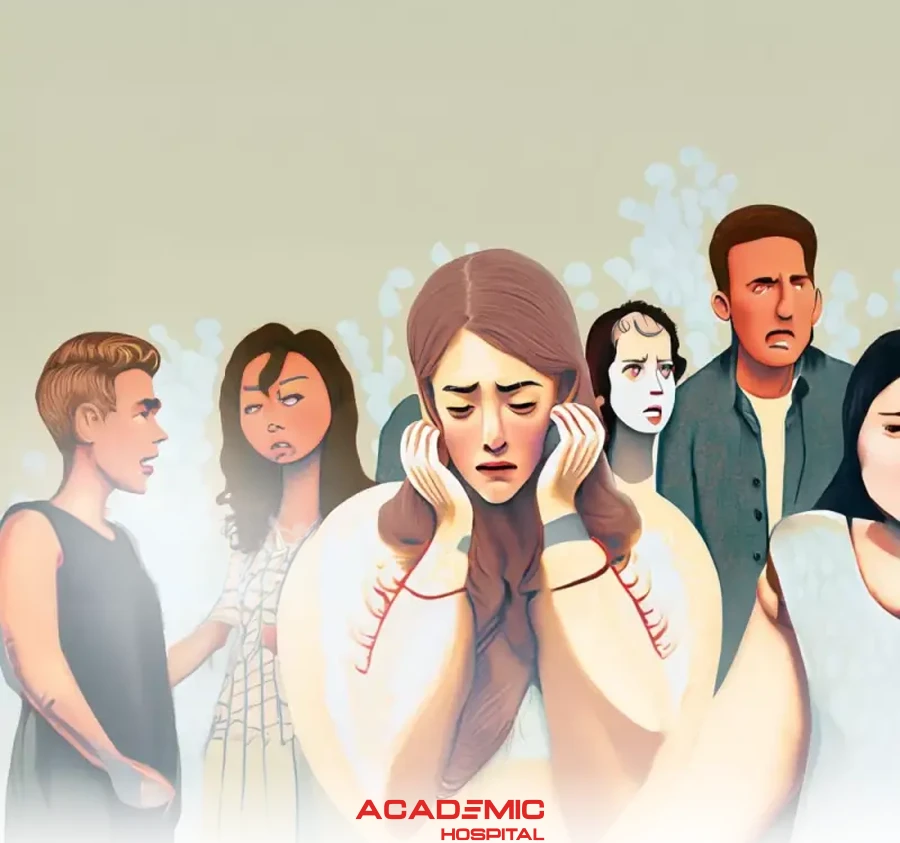
What Is Social Anxiety Disorder? Symptoms, Causes and Treatment Methods
Contents
What Is Social Anxiety Disorder?
Social anxiety disorder is an anxiety disorder characterized by avoiding social situations because of fear of being judged, embarrassed or making a mistake in front of others. It may affect daily life, work performance and relationships.
How Is Social Anxiety Disorder Recognized? What Are the Symptoms?
It is recognized through emotional, physical and behavioral symptoms that occur when a person experiences intense anxiety in social situations. Symptoms may increase during periods of intense stress.
1. Emotional Symptoms
- Fear of being criticized, embarrassed or making a mistake
- Increased anxiety before entering a social situation
- Feeling constantly watched or evaluated
2. Physical Symptoms
- Palpitations
- Blushing, trembling or sweating while communicating with others
- Voice trembling
- Stomach pain or hot flashes
3. Behavioral Symptoms
- Avoiding social environments
- Being unable to speak in a group
- Avoiding communication with new people
- Avoiding eye contact
- Postponing presentations, meetings or phone calls
If social anxiety symptoms affect your daily life, school/work performance or relationships, you can contact us for evaluation.
Book an AppointmentWhat Causes Social Anxiety Disorder?
It develops through the combination of genetic predisposition, life experiences and biological factors related to the brain’s anxiety system.
Biological and Genetic Causes
- Anxiety disorder in the family
- Serotonin imbalances in the brain
- A nervous system structure prone to anxiety
Environmental and Experiential Factors
- Being mocked, excluded or embarrassed in childhood
- Authoritarian, critical or oppressive family attitudes
- Traumatic social experiences, such as being criticized in front of others after making a mistake
Personality Traits
- Perfectionist structure
- Low self-confidence
- Tendency to place excessive importance on others’ opinions
Learned Behaviors
- Generalizing difficult social experiences from the past
- Seeing all social situations as dangerous after a negative social event
How Is Social Anxiety Disorder Treated?
The main effective approach in treatment is therapy. When necessary, medication prescribed by a psychiatrist may also be added. The goal is to help the person gradually adapt to social situations and learn to manage anxiety. With proper treatment, social anxiety disorder can be brought under control and quality of life may improve significantly.
Cognitive behavioral therapy is one of the commonly used psychotherapy approaches for social anxiety disorder. Treatment aims to reduce avoidance behaviors, re-evaluate anxiety-provoking thoughts and learn safe exposure to social situations. When medication is needed, antidepressant medications may be planned under psychiatric supervision.
Who Is More Commonly Affected by Social Anxiety Disorder?
Social anxiety disorder is more common in people with an anxiety-prone personality structure, those who have had negative social experiences at an early age and individuals with a family history of anxiety.
- More common during adolescence and young adulthood
- In perfectionistic and anxious people
- In those with a family history of anxiety disorder
- In children who are constantly criticized or pressured
Seek Support If Social Anxiety Affects Daily Life
If avoidance behaviors, intense anxiety and physical symptoms affect your school, work or relationships, specialist evaluation is important.
Frequently Asked Questions
References
- National Institute of Mental Health. Social Anxiety Disorder: More Than Just Shyness
- Mayo Clinic. Social Anxiety Disorder - Symptoms and Causes
- Mayo Clinic. Social Anxiety Disorder - Diagnosis and Treatment
- NHS. Social Anxiety
- NICE. Social Anxiety Disorder: Recognition, Assessment and Treatment