

 WhatsApp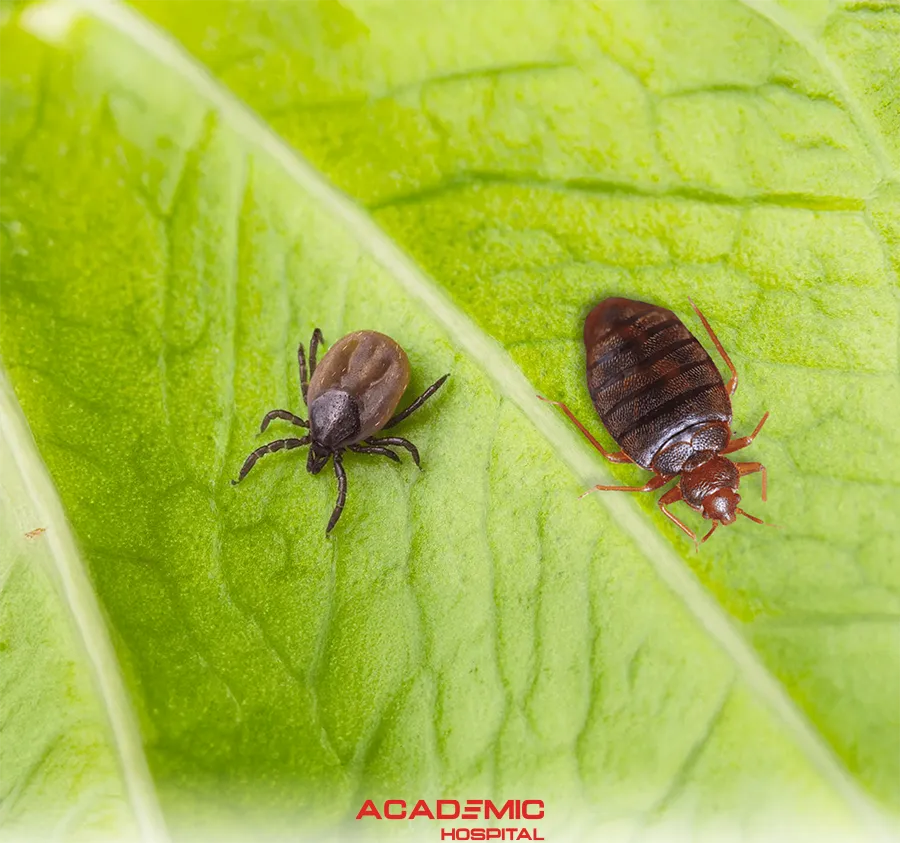
Is a Tick Bite Dangerous? What Should You Do After a Tick Bite?
Contents
What Is a Tick?
Ticks are parasites belonging to the arachnid class that feed on the blood of animals and humans. They are more common in spring and summer, especially in grassy, wooded and rural areas. These small organisms, sometimes difficult to notice, may carry serious diseases in some cases.
What Should You Do After a Tick Bite?
A tick should not be touched with bare hands. If a healthcare facility can be reached quickly, professional removal may be preferred. However, if reaching medical help will be delayed, the tick should be removed correctly because longer attachment may increase the risk of disease transmission.
- Hold the tick with fine-tipped tweezers as close to the skin as possible.
- Pull upward with steady, gentle pressure without squeezing, crushing or twisting.
- Do not apply cologne, alcohol, kerosene, oil, cigarettes or heat to the tick.
- After removal, clean the bite area and hands with soap and water or an appropriate antiseptic.
- Even if the tick is removed, seek medical care if there was exposure in a high-risk region, multiple tick attachments or any symptom development.
During the first 10 days after a tick bite, fever, fatigue, headache, muscle pain, rash, nausea, abdominal pain or bleeding signs should be monitored carefully. If any symptom develops, infectious diseases evaluation or medical care at the nearest healthcare facility is required.
If fever, fatigue, rash, muscle pain or bleeding signs occur after tick attachment, seek medical evaluation without delay.
Book an AppointmentIs a Tick Bite Dangerous?
A tick bite is not always dangerous, but in some cases it may carry a risk of serious health problems. Infected ticks can transmit infectious diseases. If these diseases are not recognized in time, they may cause severe complications and even life-threatening illness.
Not everyone develops illness after a tick bite. However, people who have been in risk areas, noticed tick attachment or developed fever, fatigue, muscle pain, headache, rash, bruising or bleeding tendency should seek medical care.
Which Diseases Can Tick Bites Cause?
One of the best-known and potentially severe tick-associated diseases in Türkiye is Crimean-Congo hemorrhagic fever (CCHF). CCHF is a viral infection that may present with high fever, fatigue, muscle pain, headache, nausea, abdominal pain, bleeding signs and, in severe cases, multi-organ involvement.
Lyme disease is a tick-borne infection reported more often in Europe and North America and may affect the nervous system, joints and heart. Other less commonly known but medically important infections transmitted by ticks may include tularemia, Q fever, rickettsial infections, babesiosis and ehrlichiosis.
How Can Tick Bites Be Prevented?
People spending time in grassy, wooded and rural areas, especially during spring and summer, should follow preventive measures.
- Wear long-sleeved clothing and tuck pant legs into socks.
- Choose light-colored clothing when possible; it makes ticks easier to notice.
- Use appropriate insect/tick repellents according to product instructions.
- Avoid walking barefoot in grassy and bushy areas; walk in the middle of trails when possible.
- Check the entire body after outdoor activities.
- Carefully examine the neck, behind the ears, scalp, armpits, waistline, groin and behind the knees.
- Pets should be checked regularly for ticks, and preventive treatments recommended by a veterinarian should not be neglected.
Symptom Monitoring Is Important After Tick Attachment
Medical care is needed if fever, fatigue, headache, muscle pain, rash, bruising or bleeding signs develop.
Frequently Asked Questions
References
- CDC. What to Do After a Tick Bite
- CDC. Preventing Tick Bites
- WHO. Crimean-Congo Haemorrhagic Fever
- Republic of Türkiye Ministry of Health. Crimean-Congo Hemorrhagic Fever (CCHF)