

 WhatsApp
What Is Charcot Arthropathy? Symptoms, Diagnosis and Treatment Methods
Contents
What Is Charcot Arthropathy?
Also known as “neuropathic arthropathy,” Charcot arthropathy is a serious orthopedic condition characterized by progressive bone and joint damage in the foot and ankle.
It develops as a result of loss of sensation in the joints due to nerve damage and not feeling pain despite weight-bearing.
What Are the Symptoms of Charcot Arthropathy?
In its early stages, it usually produces inflammation-like findings. Due to nerve damage, patients often do not feel pain or feel only very mild pain.
In advanced stages, serious structural deterioration in the joints occurs. At this stage, symptoms become more obvious. Since permanent foot damage may occur during this period, treatment is more difficult and sometimes surgery may be required.
- Swelling in the foot or ankle,
- Redness and increased warmth,
- Less pain than expected,
- Shape change or deformity in the foot,
- Difficulty walking and problems with weight-bearing.
You can book an appointment for Charcot arthropathy symptoms and diabetic foot evaluation.
Book an AppointmentHow Is Charcot Arthropathy Diagnosed?
When diagnosed early, it is very important for stopping disease progression and preventing severe deformities. However, because this condition is often confused with infection or vascular diseases, diagnosis may be delayed.
The diagnostic process usually begins with a detailed physical examination. The doctor evaluates swelling, redness, temperature difference and deformity in the foot. The patient’s history of diabetes and neuropathy status also provide important clues. Since it is often confused with infection, blood tests may also be used in diagnosis.
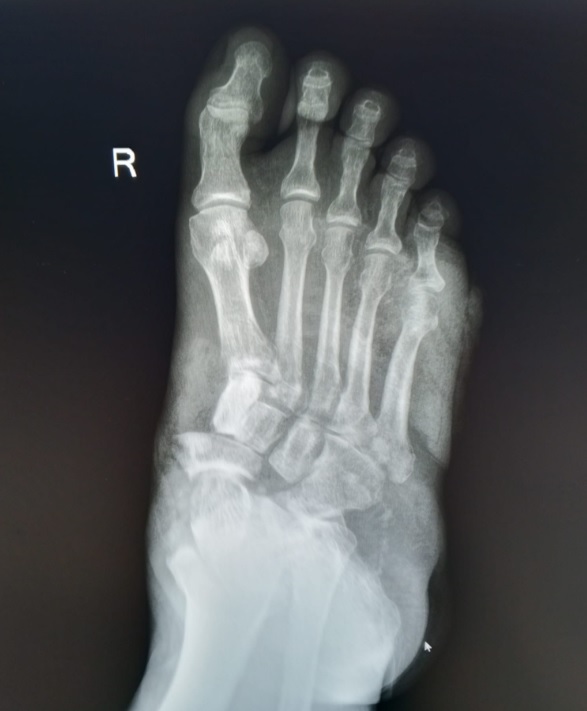
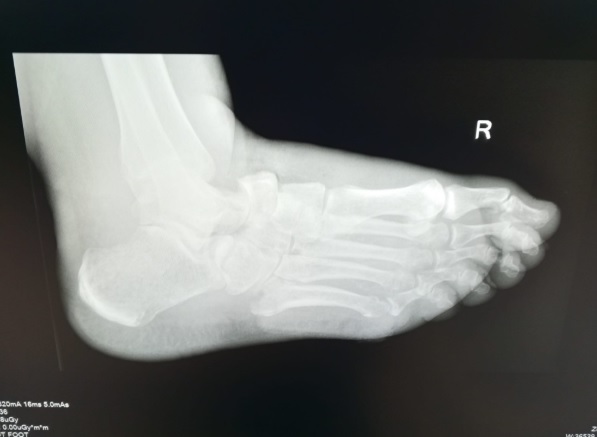
Different imaging methods are used to confirm the diagnosis.
Who Gets Charcot Arthropathy? Risk Groups and Risk Factors
The likelihood of developing the disease is not the same for everyone; some people are in the risk group and may encounter this condition more frequently.
It is most commonly seen in people with diabetes. Individuals who have developed diabetic neuropathy, meaning loss of sensation in the feet, constitute the most important risk group for this disease. Charcot joint disease is more common in people with irregular blood sugar control and those who have been living with diabetes for a long time.
Different health problems that cause peripheral neuropathy may also increase the risk. Alcohol use, nerve injuries and neurological diseases such as multiple sclerosis (MS) are important risk factors other than diabetes. In addition, previous trauma, sprains or fractures affecting the foot, circulatory disorders and smoking may facilitate the development of Charcot arthropathy.
The likelihood of the disease is higher in individuals over the age of 40. This is because both nerve damage and weakening of joint structures become more prominent over time. The risk is much higher in patients who have had diabetes for 10 years or more and who have a previous history of diabetic foot. Regular foot examinations and attention to early symptoms are critical for preventing disease progression in these individuals.
What Are the Treatment Methods for Charcot Arthropathy?
Treatment begins first with bringing diabetes under control. Weight loss and diet constitute the first-line approach in this process. In the second stage, when disease findings appear, weight-bearing on the foot is eliminated with crutches or a walker. This process should continue until existing wounds on the foot close, swelling and redness improve and the joint becomes capable of bearing weight again. In patients without wounds, appropriate orthopedic footwear is planned.
Treatment of open wounds, reduction of joint swelling and relief are provided. In advanced stages, with progression of deformities, joint structures in the foot and ankle are disrupted and the need to bear weight arises. In this case, surgical procedures are planned, ranging from orthopedic surgeries aimed at fusing large joints to partial foot or below-knee amputations when necessary. The aim is to make the foot a functional organ capable of carrying the body again.
Treatment started in the early period plays a critical role in preventing serious complications that may occur in advanced stages.
Get Evaluated for Suspected Charcot Arthropathy
If diabetic neuropathy, foot swelling, redness, increased warmth or shape changes are present, early evaluation may help prevent permanent deformities.
Frequently Asked Questions
References
- Cleveland Clinic. Charcot Foot: Symptoms, Causes & Treatment
- Mayo Clinic. Bone and joint problems associated with diabetes
- NCBI Bookshelf. Charcot Neuropathic Osteoarthropathy
- American Diabetes Association. Neuropathy and Foot Care Standards of Care in Diabetes