

 WhatsApp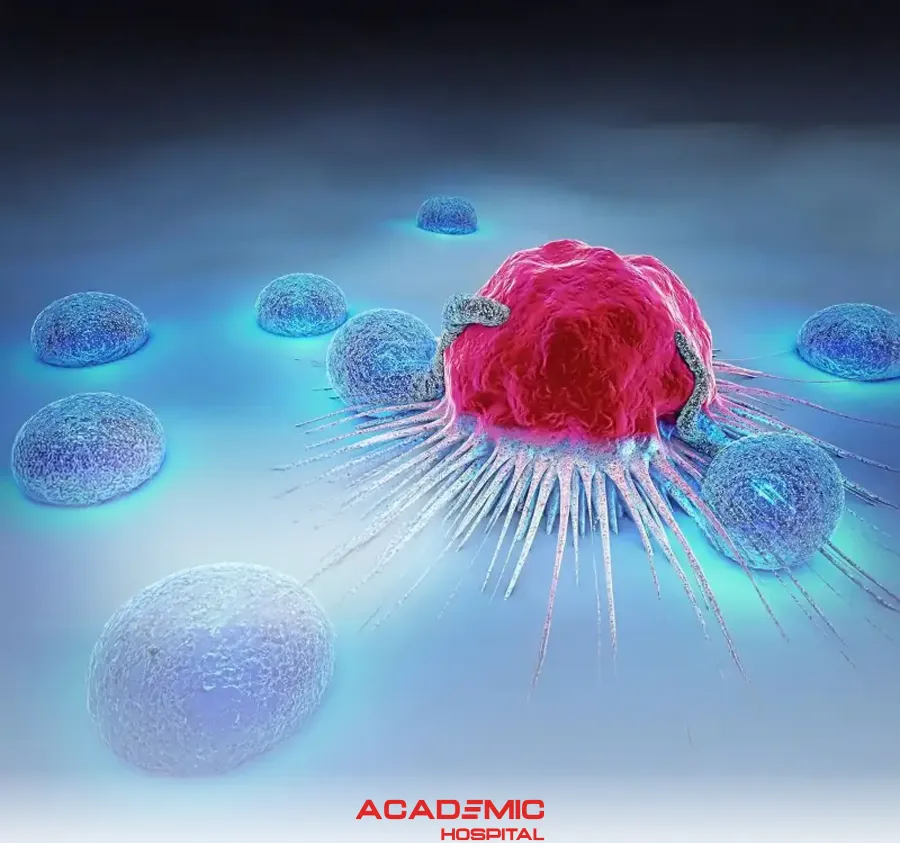
What Is Metastasis? Symptoms and Treatment of Metastatic Cancer
Contents
- What Is Metastasis?
- How Does Metastasis Occur? What Are the Stages?
- How Is Metastasis Diagnosed?
- Which Organs Are More Common Sites of Metastasis?
- What Is Metastatic Cancer?
- What Are the Symptoms of Metastatic Cancer?
- What Are the Treatment Methods for Metastatic Cancer?
- Frequently Asked Questions
- References
Cancer is a disease that occurs when cells in the body grow uncontrollably. One of the most serious complications of this process is metastasis.
Metastasis is an important concept in cancer evaluation because it directly affects the extent of disease and the treatment plan. In patients with suspected metastasis, diagnosis is made by evaluating the patient’s general condition, imaging findings, biopsy results and necessary laboratory tests together.
Get Information from Our Specialists About Metastasis and Metastatic Cancer!
Book an AppointmentWhat Is Metastasis?
Metastasis is the spread of cancer cells from the primary site where they first formed to another part of the body through the bloodstream, lymphatic system or other pathways. This process is considered a sign that the cancer has progressed to a more advanced stage.
How Does Metastasis Occur? What Are the Stages of Metastasis?
Cancer cells go through several stages before spreading.
- Growth of Cancer Cells
Cancer cells begin to multiply uncontrollably in the tissue where they are located. This process occurs when genetic mutations cause cells to lose their normal growth regulation.
- Separation of Cancer Cells (Local Invasion)
Cancer cells separate from the tumor mass and move toward surrounding healthy tissues. They produce enzymes to break down nearby tissues, and spread toward adjacent organs may begin.
- Entry into the Lymphatic and Blood Circulation
Cancer cells enter the lymphatic system or blood vessels and move through the body. At this stage, cancer cells may develop protective mechanisms to escape attacks by the immune system.
- Settlement in a New Area
Cancer cells reach another part of the body through blood or lymphatic flow and settle there. They begin to multiply in the new area and form a new tumor.
- Formation of a New Tumor
Cancer cells continue to grow in a new environment and form a metastatic tumor. This tumor usually carries the characteristics of the original cancer.
Do Not Delay Evaluation for Suspected Metastasis
You can book an appointment with Academic Hospital specialists for imaging, biopsy, blood tests and treatment options.
How Is Metastasis Diagnosed?
Various tests and methods are used to diagnose metastasis, in other words to determine whether cancer has spread in the body. The first step usually begins with reviewing the patient’s medical history and performing a physical examination. However, more advanced tests are needed for a definitive diagnosis.
PET scans, CT (Computed Tomography) and MRI (Magnetic Resonance Imaging) are among the most commonly used imaging methods to determine whether cancer has spread.
A biopsy may be performed to identify the site of metastasis; in this procedure, a tissue sample is taken from the suspicious area and examined under a microscope.
Blood tests may support the diagnosis by detecting tumor markers associated with metastatic cancers.
With these methods, the presence, extent and severity of metastasis can be determined and a personalized treatment plan can be created.
Which Organs Are More Common Sites of Metastasis?
The liver, lungs, bones and brain are organs where metastasis is commonly seen.
What Is Metastatic Cancer?
Metastatic cancer is an advanced-stage cancer that occurs when cancer cells leave the area where they first formed and spread to other parts of the body. In this process, cancer cells travel to other organs through the bloodstream or lymphatic system and form new tumors, also called secondary tumors. For example, if breast cancer cells spread to the liver or lungs, the tumors in those organs are still made up of breast cancer cells. Metastatic cancer generally indicates that the disease has progressed and that the treatment approach has become more complex. Early diagnosis and effective treatment are very important in reducing the risk of metastasis and controlling the disease.
What Are the Symptoms of Metastatic Cancer?
The symptoms of metastatic cancer may vary depending on the region where the cancer has spread and the organs it affects.
- Unexplained weight loss and loss of appetite,
- Persistent pain, especially bone pain,
- Shortness of breath or long-lasting cough,
- Headache, seizures, balance or vision problems,
- Abdominal swelling, jaundice or impaired liver function,
- Marked fatigue and deterioration in general condition may be seen.
What Are the Treatment Methods for Metastatic Cancer?
Treatment of metastasis is planned according to the type of cancer, the extent of spread and the patient’s general health status.
- Chemotherapy is one of the most commonly used drug treatments aimed at destroying cancer cells.
- Radiotherapy uses high-dose radiation to shrink metastatic tumors.
- Surgery may be preferred to remove metastatic tumors and can offer an effective solution in selected cases.
- Targeted therapy is applied with drugs designed according to the genetic structure of cancer cells.
- Immunotherapy supports the immune system in fighting cancer cells.
The treatment process is organized with a personalized plan and supported by regular physician follow-ups.
Early diagnosis is very important for preventing metastasis. With regular health check-ups and cancer screening programs, the risk of metastasis can be significantly reduced in cancer types diagnosed at an early stage.
Although cancer treatment can be complex and challenging, many cancers may achieve remissions long enough to be considered meaningful recovery periods. Remission can be defined as regression of cancer and entry into a dormant period. With early diagnosis, regular follow-up and individualized treatment plans, successful outcomes in the fight against metastasis are possible.
A Personalized Treatment Plan Is Important in Metastatic Cancer
The type of cancer, site of spread, imaging results and general health status are evaluated together when planning the treatment process.
Frequently Asked Questions
References
The general information in this article about metastasis, metastatic cancer, diagnostic methods and treatment approaches is supported by the following authoritative health sources.
- National Cancer Institute, "Metastatic Cancer: When Cancer Spreads", cancer.gov
- National Cancer Institute Dictionary of Cancer Terms, "Metastasis", cancer.gov
- American Cancer Society, "What Are Advanced and Metastatic Cancers?", cancer.org
- Cleveland Clinic, "Metastasis / Metastatic Cancer", clevelandclinic.org
- Mayo Clinic, "Bone Metastasis - Diagnosis & Treatment", mayoclinic.org