
 WhatsApp
Cervical Cancer and HPV: Symptoms, Prevention and Screening
Contents
What Is Cervical Cancer?
Cervical cancer develops in the cervix, the lower part of the uterus that opens into the vagina.
Almost all cervical cancer cases are associated with persistent infection with high-risk types of Human Papillomavirus (HPV).
Most cervical cancers develop gradually through precancerous cellular changes. HPV vaccination, screening and appropriate treatment of precancerous lesions can prevent a large proportion of cases.
What Is HPV?
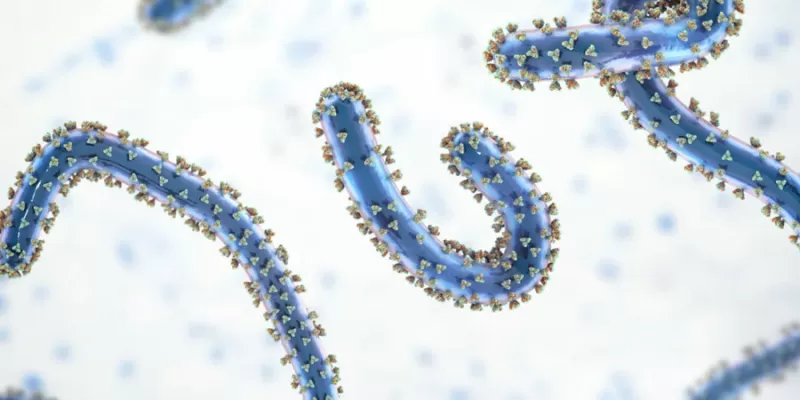
Human Papillomavirus (HPV) is a large group of viruses that infect the skin and mucous membranes.
HPV is commonly transmitted through intimate skin-to-skin and sexual contact. Most infections are temporary and clear without causing disease.
Persistent infection with certain high-risk HPV types can lead to precancerous changes and, over time, cervical cancer.
Does a Positive HPV Test Mean Cancer?
No. A positive HPV result does not mean that a person has cervical cancer.
Most HPV infections clear spontaneously. Risk becomes more important when a high-risk HPV infection persists and causes abnormal cervical cell changes.
Which HPV Types Are High Risk?
More than 200 HPV types have been identified.
- Low-risk types: Types such as HPV 6 and 11 are commonly associated with genital warts.
- High-risk types: Certain HPV types are associated with cervical and other cancers. HPV 16 and HPV 18 are among the most important high-risk types.
How Is HPV Transmitted?
HPV is mainly transmitted through close genital skin and mucosal contact.
Transmission does not require penetrative intercourse. Vaginal, anal or oral sexual contact and genital skin-to-skin contact can transmit HPV.
How Can HPV Risk Be Reduced?
- HPV vaccination
- Correct and consistent condom use
- Reducing the number of sexual partners
- Avoiding smoking
- Participating in recommended cervical cancer screening
Condoms can reduce HPV transmission but do not provide complete protection because HPV can infect areas not covered by a condom.
HPV Vaccination
HPV vaccines help prevent new infections with HPV types responsible for many cervical cancers and several other HPV-related cancers.
Vaccination does not treat an existing HPV infection. Protection is greatest when vaccination is given before exposure to HPV.
Cervical Cancer Risk Factors
- Persistent high-risk HPV infection
- Smoking
- Immunosuppression
- HIV infection
- Factors that increase exposure to high-risk HPV
- Failure to participate in recommended screening
What Are the Symptoms of Cervical Cancer?
Early cervical cancer may have no symptoms.
- Bleeding after sexual intercourse
- Bleeding between periods
- Bleeding after menopause
- Unusual or blood-stained vaginal discharge
- Pelvic pain
- Pain during sexual intercourse
Cervical Cancer Screening
Cervical screening aims to identify high-risk HPV infection or precancerous cervical changes before invasive cancer develops.
Depending on national guidance, screening may use HPV DNA testing, cervical cytology or a combination of methods.
In Türkiye's 2026 national screening programme, women aged 30–65 are screened with an HPV DNA test every five years.
What Is a Pap Test?
A Pap test examines cells collected from the cervix for abnormal or precancerous changes.
During a pelvic examination, a speculum is inserted to visualise the cervix and a small brush or sampling device is used to collect cervical cells.
What Is an HPV DNA Test?
An HPV DNA test looks for genetic material from high-risk HPV types in a cervical sample.
A positive result does not diagnose cancer. Additional assessment may depend on HPV genotype, cytology and previous screening history.
Prevention and Screening Work Together
HPV vaccination reduces the risk of HPV-related disease, while screening helps identify high-risk HPV infections and precancerous cervical changes at an early stage.
Frequently Asked Questions
References
- Academic Hospital. Cervical Cancer and HPV
- World Health Organization. Cervical Cancer
- World Health Organization. Cervical Cancer Fact Sheet
- Centers for Disease Control and Prevention. Cancers Caused by HPV