
 WhatsApp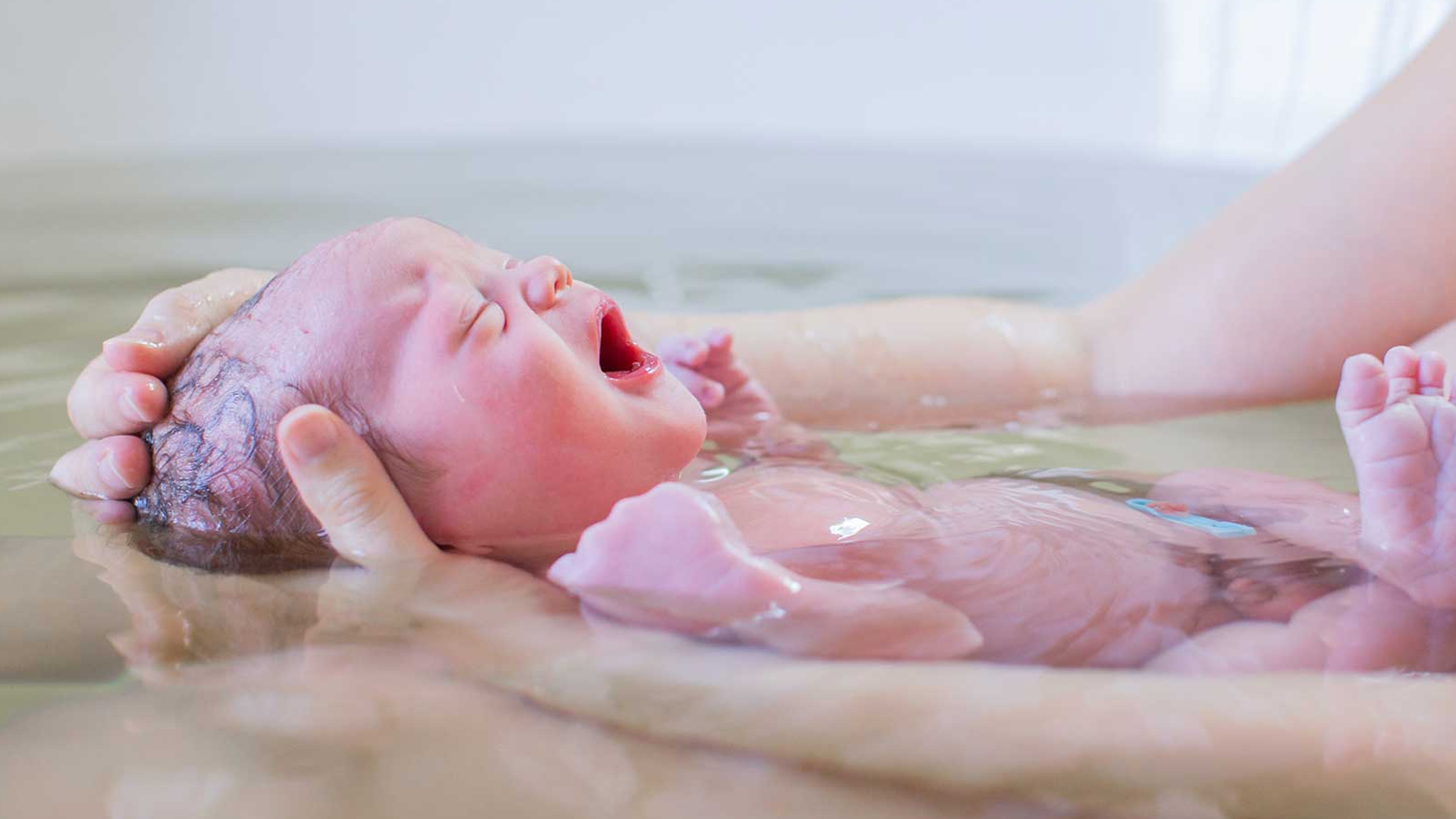
What Is Water Birth? Benefits, Risks and Who May Be Suitable
Contents
- What Is Water Birth?
- Labouring in Water vs Water Birth
- Who May Be Suitable?
- What Should the Water Temperature Be?
- What Should a Birth Pool Be Like?
- Potential Benefits
- Potential Risks
- When May Water Birth Be Unsuitable?
- Monitoring During Labour
- When Is Leaving the Pool Necessary?
- Frequently Asked Questions
What Is Water Birth?
Water birth involves spending part of labour in a specially designed pool of warm water and, when appropriate conditions continue to be met, delivering the baby while the mother remains in the water.
The buoyancy of warm water may make movement and changes in position easier. Immersion can also help some women relax and cope with labour pain.
Water birth is not appropriate for every pregnancy. Maternal and fetal health, gestational age, fetal presentation and the progress of labour should all be assessed.
Is Labouring in Water the Same as Water Birth?
No. The two should be distinguished.
Labouring in water means using a birth pool during contractions for comfort and pain management, while the baby is ultimately delivered out of the water.
Water birth means that the baby is actually delivered while the mother remains submerged.
This distinction is important because the strength of evidence and recommendations from professional organisations differ between the two practices.
Who May Be Suitable for Water Birth?
Eligibility should be determined according to individual risk assessment and the maternity unit's clinical protocol.
Water immersion or water birth may generally be considered when:
- The pregnancy is at term,
- There is a single baby,
- The baby is in a cephalic, head-first presentation,
- The mother and baby are considered low risk,
- Labour is progressing without significant complications,
- The woman has been informed about potential benefits, uncertainties and risks.
What Should the Water Temperature Be?
The water should remain comfortable while avoiding maternal overheating.
Current NICE guidance recommends monitoring both maternal and water temperature regularly during labour and states that the water temperature should not exceed 37.5°C.
Maternal and water temperatures should generally be checked at approximately hourly intervals.
What Should a Birth Pool Be Like?
A birth pool should allow safe movement and appropriate clinical monitoring.
It should:
- Provide enough space for different labour positions,
- Allow safe entry and exit,
- Be made from materials that can be cleaned appropriately,
- Be cleaned according to infection-control and manufacturer protocols,
- Allow regular measurement of water temperature,
- Allow the healthcare team to assess the mother and baby when required.
What Are the Potential Benefits?
Evidence is strongest for immersion during the first stage of labour, particularly for comfort and pain management.
Potential benefits include:
- Helping some women cope with labour pain,
- Promoting relaxation,
- Making movement and changes in position easier,
- A possible reduction in spinal or epidural analgesia use,
- A potentially shorter first stage of labour in some women.
NICE's 2025 review also found that, in low-risk term pregnancies, water birth may be associated with a lower risk of severe perineal trauma among multiparous women, lower postpartum haemorrhage risk and lower neonatal-unit admission.
However, some of this evidence is of low or very low certainty, and these outcomes should not be guaranteed for an individual patient.
What Are the Potential Risks of Water Birth?
Potential risks include:
- Umbilical cord avulsion or snapping as the baby is brought to the surface,
- Infection,
- The need for rapid intervention if maternal or fetal concerns develop,
- Rare neonatal respiratory complications when appropriate safety procedures are not followed.
NICE's 2025 evidence review found an increased risk of the cord snapping before clamping with water birth.
Evidence about fetal or neonatal mortality remains inconclusive, meaning it is not currently possible to establish whether there is a difference between water and out-of-water birth.
When May Water Birth Be Unsuitable?
Water birth is generally considered in low-risk pregnancies.
Situations that may make it unsuitable or require further obstetric assessment include:
- Preterm labour,
- Multiple pregnancy,
- Non-cephalic presentation,
- Placenta previa or unexplained vaginal bleeding,
- Preeclampsia or significant hypertensive disease,
- Maternal or fetal conditions requiring closer monitoring,
- Maternal fever or suspected active infection,
- Evidence of fetal compromise,
- A need for urgent obstetric intervention.
For women with a previous caesarean birth, eligibility should be assessed individually according to the previous surgery, the current pregnancy, monitoring requirements and the maternity unit's protocol.
How Are the Mother and Baby Monitored?
Using a birth pool does not mean labour proceeds without clinical monitoring.
The healthcare team should appropriately assess:
- Progress of labour,
- Fetal heart rate,
- Maternal pulse, blood pressure and general condition,
- Maternal and water temperature,
- Bleeding and characteristics of the amniotic fluid.
When May the Mother Need to Leave the Pool?
Leaving the pool may become necessary if:
- There are concerning changes in the baby's heart rate,
- Labour is not progressing as expected,
- Significant bleeding develops,
- The mother develops a fever or becomes unwell,
- An obstetric intervention becomes necessary,
- Closer maternal or fetal monitoring is required.
Water Birth Requires Individual Assessment
The decision should consider maternal and fetal health, gestational age, fetal presentation and how labour progresses.
Frequently Asked Questions
References
- Academic Hospital. Water Birth
- National Institute for Health and Care Excellence. Intrapartum Care – Recommendations
- National Institute for Health and Care Excellence. Water Birth – Rationale and Impact
- American College of Obstetricians and Gynecologists. Immersion in Water During Labor and Delivery