
 WhatsApp
How Much Salt Should You Consume? Sodium Intake and Health Risks
Contents
- What Are Salt and Sodium?
- How Much Salt Should You Consume?
- What Are the Risks of Excess Salt?
- Where Does Dietary Sodium Come From?
- Can You Eat Too Little Salt?
- What Is Hyponatremia?
- How Can You Reduce Salt Intake?
- Understanding Sodium on Food Labels
- Can Lower-Sodium Salt Substitutes Be Used?
- Frequently Asked Questions
What Are Salt and Sodium?
Sodium is an essential mineral involved in fluid balance, nerve signalling and muscle function. Table salt is primarily sodium chloride.
Salt and sodium are not the same measurement.
5 grams of salt contains approximately 2,000 mg of sodium.
Although the body requires sodium, excessive intake is much more common than dietary sodium deficiency in the general population.
How Much Salt Should You Consume?
The World Health Organization recommends that adults consume less than 2,000 mg of sodium per day, equivalent to less than 5 grams of salt.
For children, the maximum recommended amount is lower and should be adjusted according to energy requirements.
WHO's 2026 data indicate that the global average adult sodium intake is approximately 4,278 mg per day, equivalent to about 11 grams of salt—more than twice the recommended level.
Salt that is consumed should also be iodised.
What Are the Health Risks of Excess Salt?
The most clearly established health effect of excessive sodium intake is increased blood pressure.
High sodium intake is associated with increased risks related to:
- Hypertension
- Cardiovascular disease
- Stroke
- Kidney disease
- Fluid retention and oedema in susceptible patients
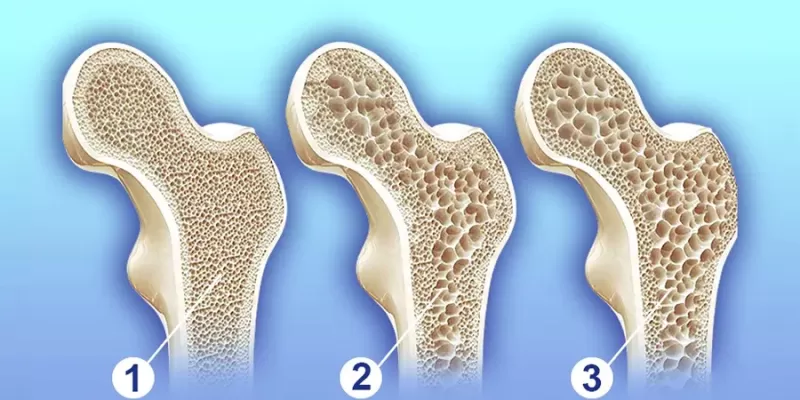
WHO also identifies high sodium intake as a dietary factor associated with gastric cancer, osteoporosis and several other health conditions.
Where Does Dietary Sodium Come From?
The major sources vary between countries and dietary patterns.
Common sources include processed meat, cheese, bread, ready meals, soups, packaged snacks, sauces, condiments and preserved foods.
In some populations, salt added during cooking or at the table contributes a larger proportion of total intake. Therefore, a single percentage cannot accurately describe the source of sodium for everyone.
Can You Eat Too Little Salt?
Sodium is essential, but true dietary sodium deficiency is uncommon in otherwise healthy people eating a normal diet.
Reducing salt intake to recommended levels should therefore not automatically be considered a cause of sodium deficiency or hyponatremia.
Significant sodium loss can occur in certain situations, including prolonged vomiting or diarrhoea, excessive sweating with inappropriate fluid replacement, certain kidney or adrenal disorders and use of some diuretic medicines.
What Is Hyponatremia?
Hyponatremia means that the concentration of sodium in the blood is abnormally low.
It is usually not simply the result of eating too little salt. Common causes include excess body water relative to sodium, certain medications, heart failure, kidney or liver disease, SIADH, severe vomiting or diarrhoea and excessive water intake.
How Can You Reduce Salt Intake?
- Avoid routinely adding extra salt at the table.
- Limit processed meats, ready meals, instant soups, salty snacks, sauces and preserved foods.
- Compare food labels and choose lower-sodium options.
- Use herbs, spices, lemon, garlic or vinegar for flavour.
- Reduce salt gradually to allow taste preferences to adapt.
- Request meals with less added salt when eating out.
Understanding Sodium on Food Labels
1 g salt ≈ 400 mg sodium
2,000 mg sodium ≈ 5 g salt
Foods do not have to taste extremely salty to contribute substantially to sodium intake. Bread, cheese, sauces and other frequently consumed foods can add significant amounts throughout the day.
Can Lower-Sodium Salt Substitutes Be Used?
WHO's 2025 guideline suggests that when table salt is used, suitable adults may consider lower-sodium salt substitutes in which some sodium chloride is replaced with potassium chloride.
These products can help lower overall sodium intake and blood pressure.
Reducing Sodium Supports Cardiovascular Health
Individual sodium and fluid recommendations may differ in people with hypertension, heart failure, kidney disease or electrolyte disorders.
Frequently Asked Questions
References
- Academic Hospital. Salt Consumption
- World Health Organization. Sodium Reduction
- World Health Organization. Use of Lower-Sodium Salt Substitutes: WHO Guideline
- Merck Manual. Hyponatremia