
 WhatsApp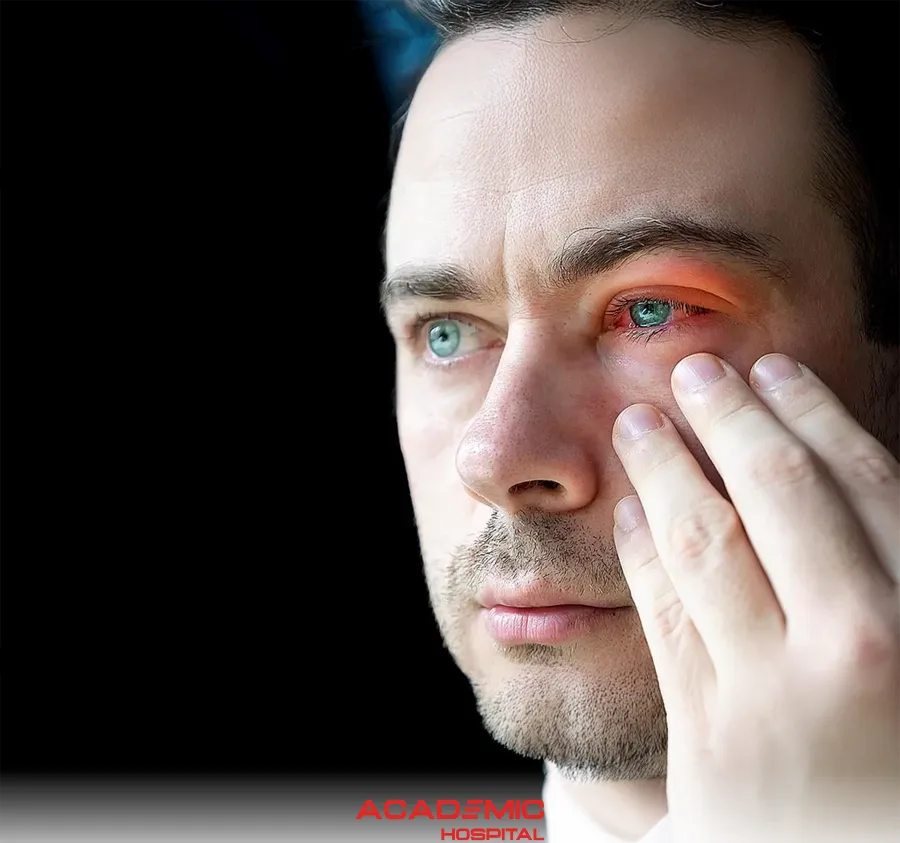
What Is an Eye Infection? Symptoms, Causes and Treatment
Contents
An eye infection is a health problem that should not be underestimated. It occurs when microorganisms such as bacteria, viruses or fungi infect the eye. Eye health is extremely important for overall health, and infections may lead to serious problems if they are not treated in time.
Get Information from Our Specialists for Eye Infection and Eye Redness Complaints!
Book an AppointmentWhat Are the Symptoms of an Eye Infection?
Eye infections may occur in different forms, so the symptoms can vary. However, the most common symptoms of eye infections generally include:
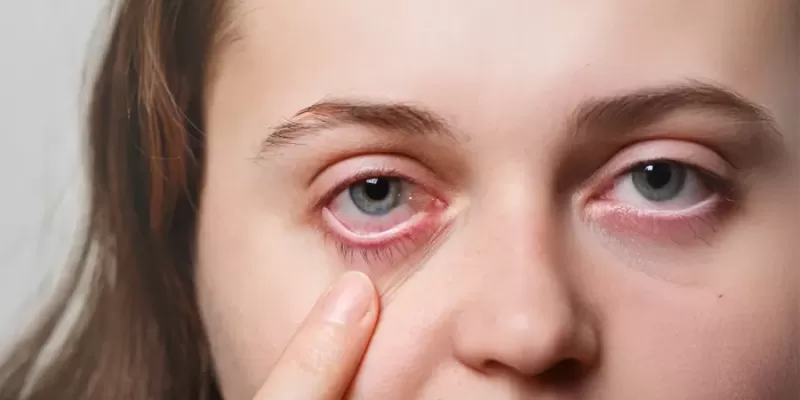
- Eye redness: Bloodshot eyes or redness may be a sign of infection.
- Itching and burning: Itching and a burning sensation in the eyes are common.
- Watery eyes: Excessive tearing may occur due to infection.
- Pain and stinging sensation: An uncomfortable pain may develop in or around the eye.
- Eye discharge: In bacterial infections, yellowish-green discharge may often be seen.
- Eyelid swelling: Especially in infections such as a stye, swelling and tenderness may occur in the eyelid.
With early diagnosis and correct treatment, you can protect your eye health. If you are experiencing the symptoms listed above, it is important to consult an eye doctor without delay.
What Causes an Eye Infection?
- Bacterial infections: In particular, Staphylococcus and Streptococcus bacteria may cause infection in the eye.
- Viral infections: Viruses such as adenovirus may cause eye redness and watering.
- Fungal infections: These may occur especially after unhygienic contact lens use.
- Allergies: Allergic reactions to environmental factors such as pollen, dust or smoke may cause eye complaints that resemble infection.
- Contact lens use: Lenses used without following hygiene rules may lead to infection.
How Is an Eye Infection Treated?
Different treatment methods are used depending on the type of eye infection:
- Bacterial infections: Antibiotic eye drops or ointments may be used.
- Viral infections: They often resolve on their own; however, eye drops may be recommended to relieve symptoms.
- Fungal infections: They are treated with antifungal medicines.
- Allergic reactions: Antihistamine drops and cold compresses may help provide relief.
Before starting treatment, you must consult an eye doctor. Incorrect treatment may worsen the infection.
Situations that may require urgent evaluation:
- Decreased vision or blurred vision
- Severe eye pain
- Marked sensitivity to light
- Redness and pain in contact lens users
- Suspected trauma, chemical exposure or foreign body
How Can Eye Infections Be Prevented?
- Wash your hands frequently and avoid touching your eyes.
- Clean your contact lenses and replace them at the recommended intervals.
- Change and wash your towels and pillowcases frequently.
- Do not share eye makeup products with others and replace makeup products regularly.
- Use sunglasses to protect your eyes from sunlight.
When Should You See a Doctor?
If eye infection symptoms do not improve within a few days, if discharge increases, if significant eyelid swelling develops, or if pain or vision changes occur, an ophthalmologist should be consulted. Eye redness and pain in contact lens users should be carefully evaluated for possible corneal infection.
Do Not Delay Eye Infection Complaints
You can receive an evaluation from Academic Hospital specialists for eye redness, discharge, pain or changes in vision.
Frequently Asked Questions
References
The general information in this article about eye infection symptoms, prevention, treatment options and warnings for consulting a physician is supported by the following reliable health sources.
- Centers for Disease Control and Prevention, “Conjunctivitis (Pink Eye)”, cdc.gov
- Centers for Disease Control and Prevention, “How to Prevent Pink Eye”, cdc.gov
- Mayo Clinic, “Pink eye (conjunctivitis) - Symptoms and causes”, mayoclinic.org
- Mayo Clinic, “Pink eye (conjunctivitis) - Diagnosis and treatment”, mayoclinic.org
- American Academy of Ophthalmology EyeWiki, “Conjunctivitis”, aao.org