

 WhatsApp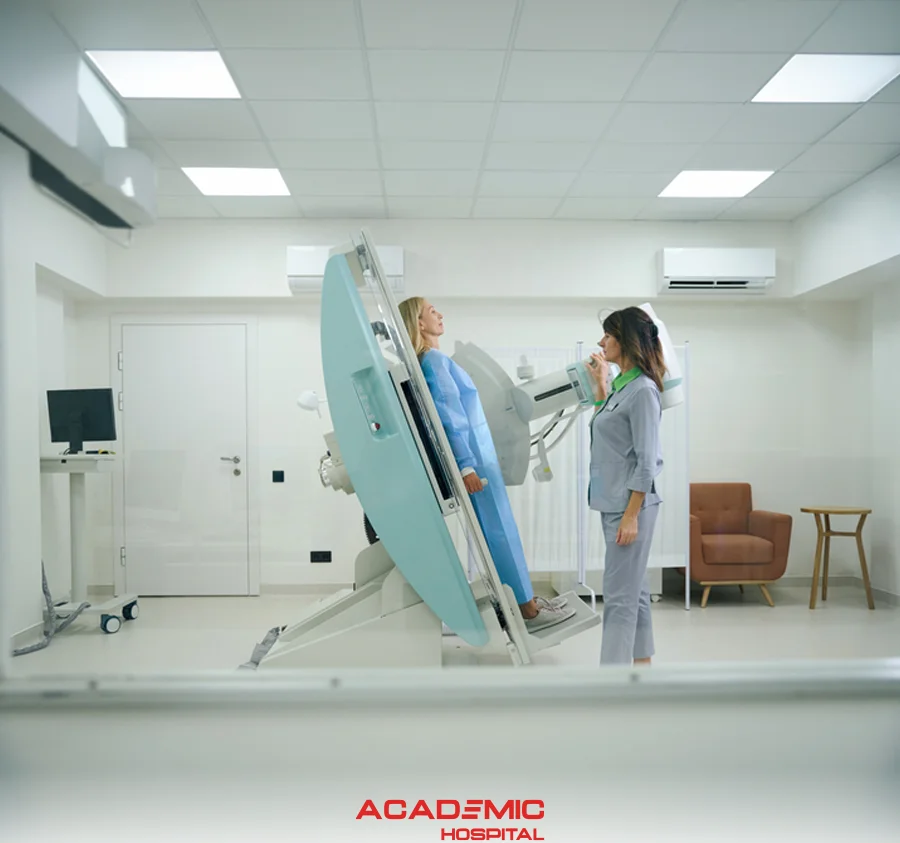
What Is the Tilt Table Test? Why Is It Performed?
Contents
The tilt test is also called the Head-Up Tilt Table Test or Tilt Table Test.
What Is the Tilt Table Test?
It is a highly effective, safe and non-invasive diagnostic method used especially to determine the cause of sudden fainting (syncope) episodes, vasovagal syncope cases or symptoms such as dizziness.
During the test, the patient lies on a special table and the table is tilted to a certain angle to observe how the body responds to changes in position. Continuous monitoring of vital signs such as heart rate and blood pressure helps us understand how the body responds to these changes.
Why Is the Tilt Test Performed? Who Is It Used For?
Fainting is a condition that many people experience at least once in their lives; however, in some cases it may be a sign of an underlying serious health problem.
Fainting caused by pressure changes during sudden standing after standing still for a long time or sitting for a long time, unexplained and untimely fainting attacks resulting in loss of consciousness, a feeling as if the ground is slipping away from under the feet, dizziness and confusion are among the conditions that can be evaluated with the tilt test.
The tilt test is an important tool for evaluating such conditions and creating a treatment plan.
Do Not Delay Evaluation for Fainting and Dizziness
If you have sudden fainting, recurrent dizziness, confusion or complaints that occur while standing, you can receive an evaluation from cardiology specialists.
Clinical Uses of the Tilt Test
It plays an important role in diagnosing conditions such as neurocardiogenic (vasovagal) syncope, orthostatic hypotension and postural orthostatic tachycardia syndrome (POTS). The tilt test is also performed to understand whether fainting is related to an underlying cardiac problem. Thanks to this test, the origin of symptoms such as fainting or dizziness can be investigated and appropriate treatment strategies can be developed.
As a safe and effective diagnostic method, the tilt test is widely used in the evaluation of such symptoms.
How Is the Tilt Test Performed?
Patients are secured to a special table (tilt table). A rapid transition is made from the horizontal position to the vertical position. During the test, patients are closely monitored. It is extremely important for the patient to be fasting. Blood pressure and pulse measurements are taken periodically. During this process, some medications are administered to the patient to help the test produce a more apparent result. The main medications used for this purpose are isoproterenol and nitroglycerin.
The patient is connected to monitors to track heart rate and blood pressure. At the beginning of the test, the table is in a horizontal position and the patient is monitored in this position for approximately 10-20 minutes.
The table is slowly brought to an upright angled position (usually 60-80 degrees). The patient is kept in this vertical position for 20-45 minutes. During this period, the patient’s heart rate, blood pressure and symptoms such as fainting are observed. If symptoms occur, the test is stopped.
How Long Does the Tilt Test Take?
It generally takes between 30 and 60 minutes. The test duration may vary depending on the patient’s health status and responses.
If you frequently experience fainting or dizziness when entering a crowded environment or when you need to stand for a long time, you can consult your doctor to get information about the tilt test and learn whether this test is suitable for you.
Frequently Asked Questions
References
- Mayo Clinic - Tilt table test
- Cleveland Clinic - Tilt Table Test
- Johns Hopkins Medicine - Tilt Table Testing
- Clinical Autonomic Research - Recommendations for tilt table testing