

 WhatsApp
Specialised Fetal Medicine for Mother and Baby
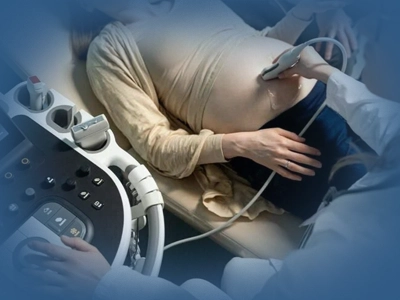
Perinatology and High-Risk Pregnancies applies dedicated diagnostic and monitoring protocols in order to protect the health of mothers whose pregnancy carries a risk of complications and the health of their babies. Every pregnant woman with a chronic illness, a previous high-risk pregnancy or a suspected fetal anomaly can be referred to this department.
Contents
What Is Perinatology?
Perinatology (also known as fetal medicine) is the medical specialty that assesses, monitors and treats the health of the mother and the fetus (the baby) in pregnancies that follow a high-risk course. Beyond routine obstetric follow-up, perinatology specialists focus on both the mother and the unborn baby in the detection and management of complex pregnancy problems. The specialty covers a broad spectrum that includes genetic disorders, fetal anomalies, placental problems and chronic illnesses affecting pregnancy.
Which Diseases and Conditions Are Monitored?
- Pregnant women with a history of preeclampsia (pregnancy toxaemia) and eclampsia
- Threatened preterm birth and preterm labour
- Multiple pregnancies (twins, triplets and more)
- Placenta previa (low-lying placenta) and placenta accreta spectrum disorders
- IUGR (intrauterine growth restriction; the fetus remaining below the expected size)
- Suspected fetal anomaly or diagnosed fetal structural abnormalities
- Pregnancies at risk of genetic disease (Down syndrome, trisomies and similar)
- Chronic maternal illnesses: type 1 and type 2 diabetes, chronic hypertension, autoimmune diseases (lupus, antiphospholipid syndrome), heart disease, kidney disease
- Pregnancies at advanced maternal age (35 years and over)
- Recurrent pregnancy loss (a history of two or more miscarriages)
- Oligohydramnios or polyhydramnios (abnormal amniotic fluid volume)
- Rh incompatibility and alloimmunisation
- Bleeding disorders and thrombophilia in pregnancy
When Should You Consult Us?
- If a high risk has been identified at your routine pregnancy check-ups, or if your doctor recommends further examination
- If you experienced preeclampsia, preterm birth, fetal loss or growth restriction in a previous pregnancy
- If you are expecting twins or more
- If you have a chronic condition such as diabetes, hypertension, heart disease or an autoimmune disease before or during pregnancy
- If you conceived at the age of 35 or over
- If an abnormal result was found in the first trimester screening (weeks 11 to 14)
- If a structural anomaly is suspected in the fetus on ultrasound examination
- If there is a genetic disease or congenital disorder in your family history
- If you have had two or more pregnancy losses
Diagnostic Methods
The Academic Hospital Perinatology department brings advanced imaging and genetic diagnostic technologies together under one roof.
| Method | What it is used for |
|---|---|
| The NT (nuchal translucency) screening performed between weeks 11 and 14 and the anomaly scan carried out at week 20 allow all of the baby's organ systems and anatomy to be assessed. Fetal facial features and movements can also be observed with 4D ultrasound. | |
| Blood flow in critical vessels such as the umbilical artery, the MCA (middle cerebral artery) and the ductus venosus is measured to assess the oxygen and nutrient supply of the fetus. It is a fundamental tool in the follow-up of IUGR and preeclampsia. | |
| Fetal DNA in a sample taken from the mother's blood is analysed to detect Down syndrome (trisomy 21), trisomy 18, trisomy 13 and sex chromosome abnormalities with a high degree of accuracy. No invasive procedure is required. | |
| A sample of amniotic fluid is taken between weeks 16 and 20 for fetal chromosome analysis (karyotyping). It provides a definitive result for genetic diagnosis. | |
| A small tissue sample is taken from the placenta between weeks 11 and 13, making genetic diagnosis possible at an early stage. | |
| A specialised ultrasound examination that images the structure and function of the baby's heart in detail. It is performed when congenital heart disease is suspected. | |
| The length of the cervix is measured with transvaginal ultrasound to determine the risk of preterm birth. When a short cervix is detected, the appropriate treatment protocol is started. | |
| The baby's breathing movements, body movements, muscle tone and amniotic fluid volume are assessed together on ultrasound to score the general wellbeing of the baby. |
Treatment Approaches
| Approach | Scope and application |
|---|---|
| In high-risk pregnancies the frequency of appointments is increased, and fetal growth, amniotic fluid and Doppler flows are assessed systematically at every visit. | |
| In pregnant women with identified risk factors, starting low-dose aspirin and calcium supplementation from weeks 11 to 14 can significantly reduce the development of preeclampsia. | |
| Where there is a short cervix or a risk of preterm labour, progesterone (vaginal route), cerclage (a cervical stitch) or tocolysis (medication to stop contractions) may be used. Corticosteroid treatment is also planned to support the lung development of a premature baby. | |
| In conditions such as severe fetal anaemia caused by Rh incompatibility, an intrauterine blood transfusion (a blood transfusion given while the baby is in the womb) may be performed. | |
| An individual plan for the timing and mode of delivery is prepared for every high-risk pregnancy. In cases of preeclampsia or fetal distress, early induction of labour or a caesarean section may be planned. Before delivery the perinatology team establishes a coordinated strategy with the neonatal intensive care, anaesthesia and neonatology teams so that every scenario is prepared for. |
Book an appointment with the Perinatology and High-Risk Pregnancies department.
Book an AppointmentPerinatology at Academic Hospital
The Academic Hospital Perinatology and High-Risk Pregnancies department carries out advanced fetal imaging, prenatal genetic diagnosis and birth planning under one roof. The department works routinely with the following units:
- Gynaecology and Obstetrics: routine pregnancy follow-up, delivery and caesarean procedures
- Neonatal Intensive Care: postnatal monitoring of premature and high-risk newborns
- Anaesthesia and Reanimation: anaesthesia planning for high-risk deliveries
- Pediatric Cardiology: assessment of congenital heart disease detected on fetal echocardiography
- Endocrinology and Metabolism: joint management of diabetes and thyroid disease in pregnancy
- Rheumatology: follow-up of autoimmune diseases such as lupus and antiphospholipid syndrome during pregnancy
- Radiology: advanced fetal imaging and complementary examinations
Frequently Asked Questions
Answers to the questions most frequently asked about the Perinatology and High-Risk Pregnancies department are given below.
References
The general information given on this page about high-risk pregnancy follow-up, diagnostic methods and treatment approaches is supported by the reliable health sources listed below.
- National Institutes of Health, "Preeclampsia (StatPearls)", ncbi.nlm.nih.gov
- National Institutes of Health, "Preterm Labor (StatPearls)", ncbi.nlm.nih.gov
- World Health Organization, "Preterm Birth Fact Sheet", who.int
- NHS, "Complications in Pregnancy", nhs.uk
The information on this page is for general information only; it does not replace medical examination, diagnosis or treatment. Please consult a healthcare institution regarding your symptoms.