

 WhatsApp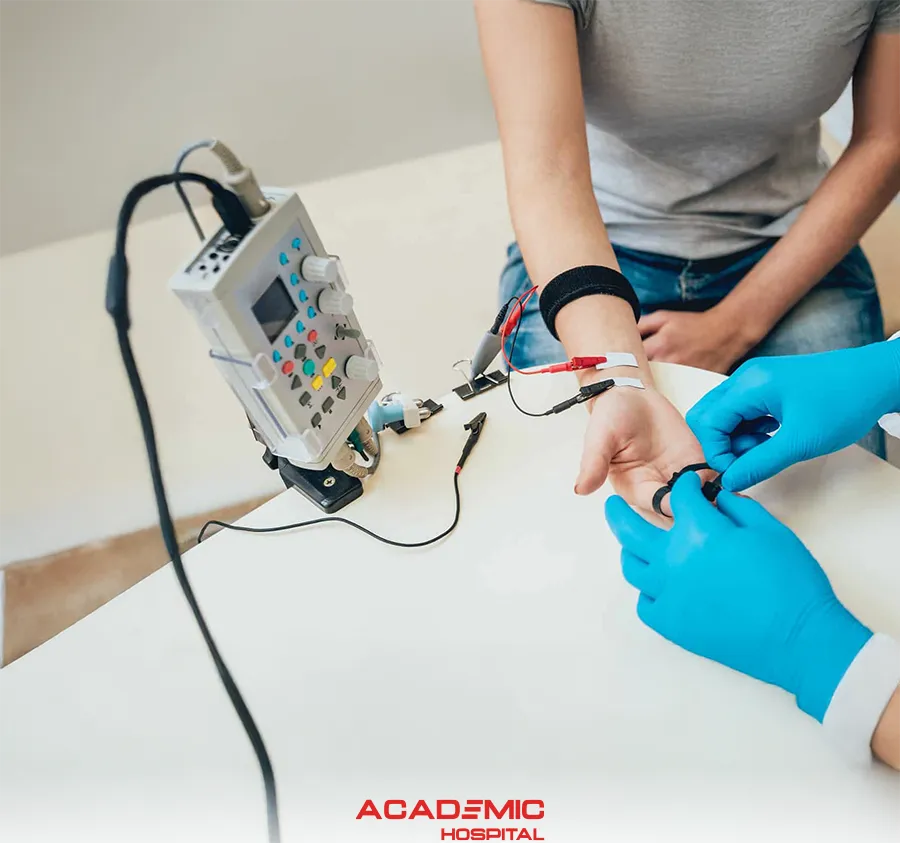
What Is EMG (Electromyography)? When Is It Performed?
Contents
What Is EMG (Electromyography)?
EMG (Electromyography) is a diagnostic test that measures the electrical activity of muscles and nerves. Electrical signals produced by muscles at rest and during voluntary contraction are evaluated to obtain information about muscle- or nerve-related problems.
EMG is especially useful in neurologic disorders as an auxiliary method for diagnosis and differential diagnosis. It may also help guide treatment planning and, in some cases, follow-up.
When Is EMG Performed?
EMG is used in the diagnosis of many muscle and nervous system problems. It may be requested to identify the source of symptoms and help create the correct treatment plan in the following situations:
- Numbness and tingling in the hand, arm, leg or face
- Muscle weakness
- Muscle twitching, cramps or spasms
- Nerve entrapment such as carpal tunnel syndrome
- Nerve compression related to lumbar or cervical disc herniation
- Neuromuscular disorders such as ALS, polyneuropathy or myopathy
If these symptoms are present, consulting a neurology specialist is important for proper evaluation.
You can contact us to evaluate whether EMG is needed for numbness, tingling, muscle weakness or suspected nerve entrapment.
Book an AppointmentHow Is EMG Performed?
EMG usually consists of two parts. Which parts are performed depends on the patient’s symptoms and the nerve-muscle problem the physician wants to investigate.
- Nerve conduction study (NCS): Small electrodes are placed on the skin. Low-voltage electrical stimuli are applied to the nerves, and the speed and quality of nerve responses are measured.
- Needle EMG: A fine needle electrode is inserted into the selected muscle. Electrical signals generated at rest and during contraction are recorded, allowing assessment of the muscle and the nerve controlling it.
EMG results are evaluated by a neurology specialist. According to the result, a diagnosis may be made, differential diagnosis may be supported or further testing may be requested.
What Should Be Considered Before EMG?
- You may shower before the test; however, the skin should not have lotion, cream or oil on it.
- The test usually does not require fasting.
- People taking blood thinners or those with bleeding disorders should inform their doctor before the test.
- If you have a pacemaker or another implanted electronic medical device, you should inform the technologist or neurology specialist before EMG.
- Previous surgeries, current infections and medications should be shared with the healthcare team.
The Need for EMG Is Determined by Neurology Evaluation
In numbness, tingling, muscle weakness, cramps or suspected nerve entrapment, EMG may help the diagnostic process.
Frequently Asked Questions
References
- Mayo Clinic. Electromyography (EMG)
- Cleveland Clinic. EMG (Electromyography): Purpose, Procedure & Results
- Cleveland Clinic. Nerve Conduction Study