
 WhatsApp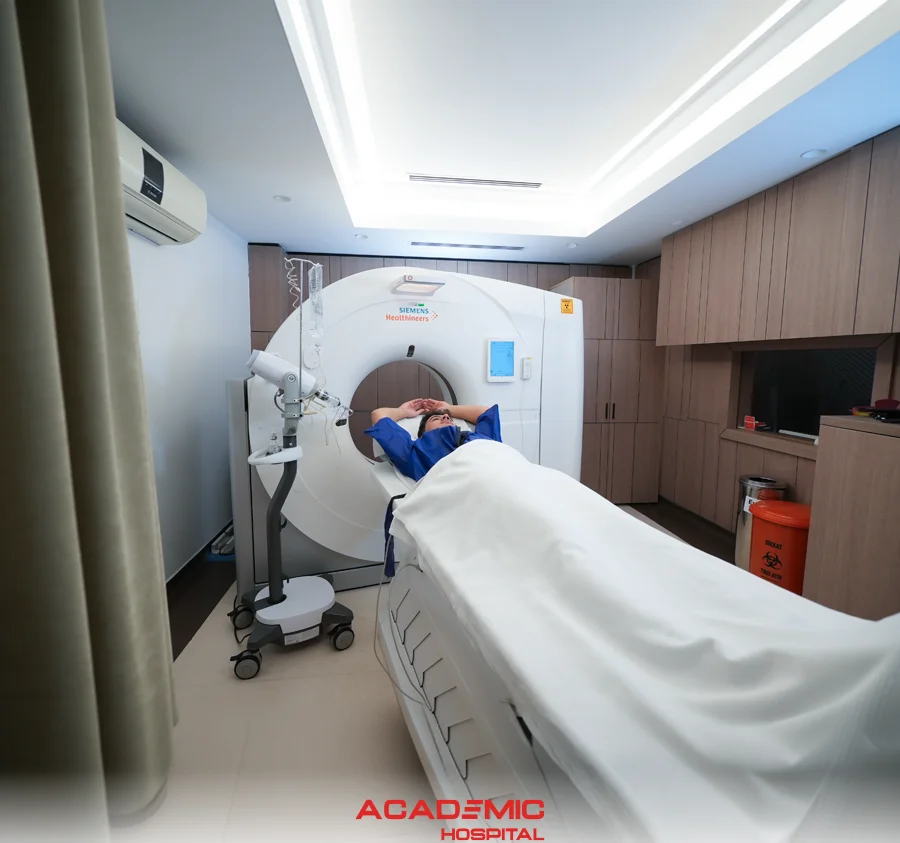
What Is Contrast Material? Which Imaging Methods Use It?
Contents
Medical imaging methods such as CT and MRI play a major role in early diagnosis, accurate diagnosis and treatment planning. In some cases, the differences between tissues may not be sufficient to obtain a clear image. This is where contrast materials come into use.
Get Information About Contrast-Enhanced Imaging Procedures!
Book an AppointmentWhat Is Contrast Material?
Special compounds that allow certain areas of the body to be seen more clearly and in more detail by increasing the density difference between tissues and organs are called contrast materials. Details that cannot be detected on standard images can be identified, and diagnostic accuracy may increase.
Contrast materials can be administered intravenously, orally or rectally. These substances help imaging devices “highlight” the target area. Some contrast materials are in the “positive” (radiopaque) category, while others have “negative” (radiolucent) properties.
Radiopaque contrast materials absorb X-rays well; therefore, they create a “whitening” effect on the image. Vessels, internal organ areas or pathological foci can be shown more clearly in this way.
Which Imaging Methods Use Contrast Materials?
The most common methods in which they are used include Computed Tomography (CT), Magnetic Resonance Imaging (MRI), angiography and digestive system examinations (gastrointestinal tests).
The type of contrast material used in each method varies according to the technology of the imaging device and the structure of the targeted organ.
How Long Does It Take for Contrast Material to Leave the Body?
The time it takes for contrast material to be eliminated from the body varies depending on the type of contrast material used, the person’s kidney function and hydration level. Drinking plenty of fluids after the procedure is important for healthy elimination. Adequate water intake helps the contrast material clear more quickly through the kidneys.
This period may be slightly longer in people with reduced kidney function; therefore, fluid intake must be regulated according to the doctor’s recommendation. At Academic Hospital, in essential cases, contrast-enhanced examinations are performed safely in patients who have undergone kidney transplantation or who have a single kidney, only under physician supervision, with the necessary precautions taken and supportive treatments applied before and after the procedure.
What Are the Side Effects of Contrast Materials?
Like any medical substance, contrast materials may rarely cause some side effects. These effects are usually mild and temporary; serious reactions are very rare. Contrast materials used in modern medicine have been developed to be much safer and lower-risk compared with the past.
Depending on the contrast material, some people may experience short-term effects during injection such as a feeling of warmth in the body, a sensation of urinary leakage, or a medicinal taste in the mouth. These symptoms usually disappear on their own within a few minutes.
Allergic reactions or temporary changes in kidney function may be observed. However, the rate of these situations is quite low.
Before the scan, the patient’s medical history, kidney function and any previous contrast experiences are carefully evaluated. At Academic Hospital, all contrast-enhanced imaging procedures are performed under the supervision of experienced radiology specialists and healthcare staff. During the scan, the patient is informed about all possible effects and, if necessary, preventive precautions are taken before the procedure.
Conditions you should report before the procedure:
- Kidney disease or history of a single kidney
- A previous reaction to contrast material
- Known iodine or medication allergies
- Diabetes, advanced age or risk of dehydration
- Pregnancy or breastfeeding
Do Not Skip Pre-Procedure Information Before Contrast-Enhanced Imaging
Before CT, MRI, angiography and other contrast-enhanced examinations, you can get information from Academic Hospital specialists for an assessment appropriate to your personal condition.
Frequently Asked Questions
References
The general information in this article about contrast material use, side effects, kidney function and pre-procedure considerations is supported by the following reliable health sources.
- American College of Radiology, “Manual on Contrast Media”, acr.org
- RadiologyInfo.org, “Patient Safety: Contrast Material”, radiologyinfo.org
- Cleveland Clinic, “Gadolinium Contrast MRI Agent”, clevelandclinic.org
- Cleveland Clinic Consult QD, “Contrast-Induced Acute Kidney Injury: The Data and the Debate”, clevelandclinic.org